The White House has offered little detail regarding what President Donald Trump has described as "THE BIGGEST OIL DEAL IN WORLD HISTORY" in Venezuela, beyond a single social media post.
Trump said the arrangement announced Friday night would give the United States a stake in Venezuela’s immense oil reserves.
It marks a step towards his goal of extracting energy from the country after US forces captured then-President Nicolás Maduro in a late-night raid in January and brought him to New York on federal drug trafficking charges.
Delcy Rodríguez, Venezuela’s acting president, characterised the deal as a move towards economic recovery that will modernise the nation’s energy industry.
However, key details remain unclear, including how soon drilling might begin and who will fund the effort. No text of the agreement has been made public.
A look at what is known and what remains uncertain:
What are the terms?
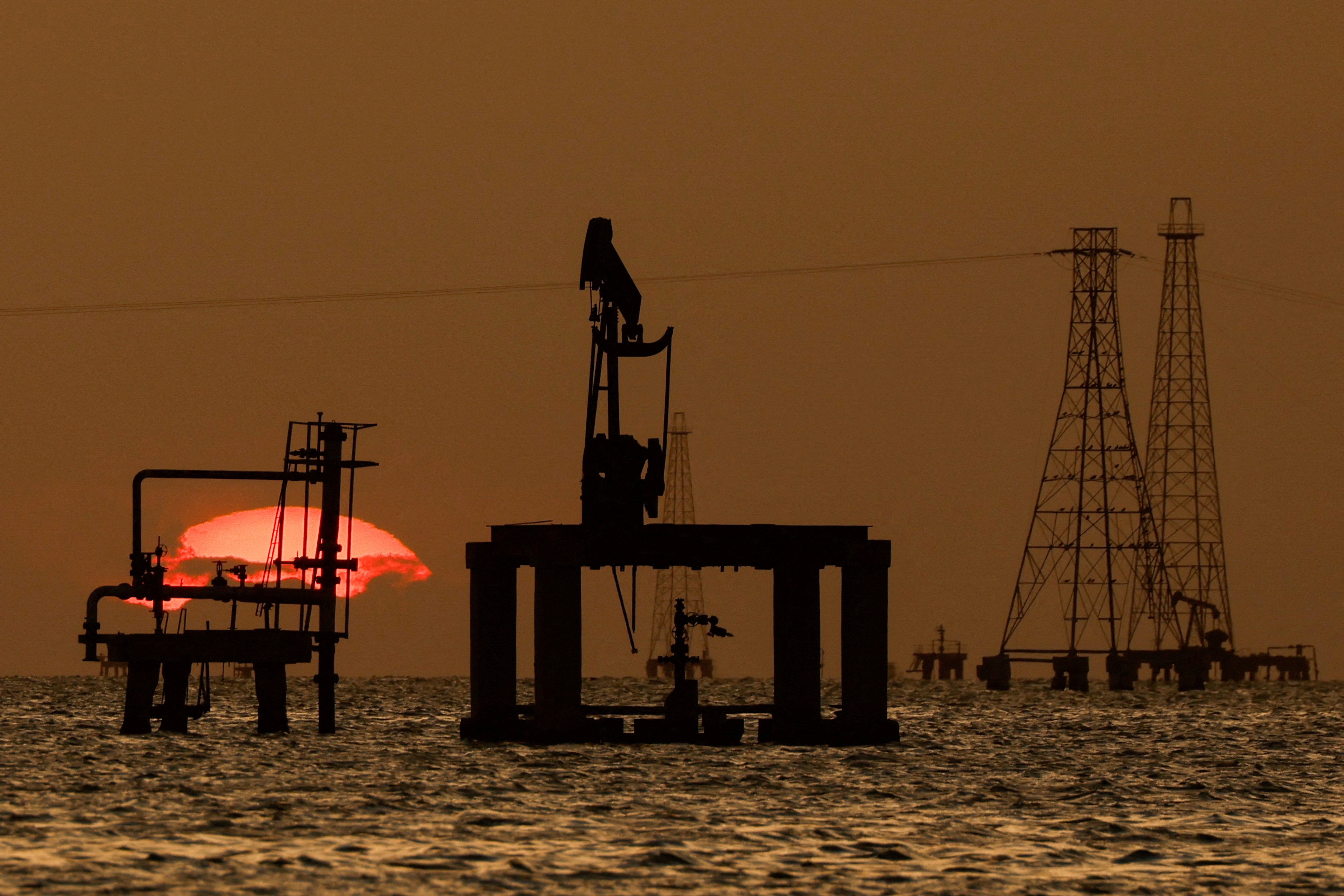
The U.S. government and an unnamed private operator in Venezuela formed a new private company that was given the rights to vast, untapped oil fields for 100 years.
A statement from Rodríguez said the deal involves the development of 17 fields with a proven potential of 65 billion barrels. It said the agreement could draw $100 billion in investment into Venezuela’s oil industry and yield over $209 billion in taxes for Caracas.
Trump said the agreement was negotiated by Secretary of State Marco Rubio, Defense Secretary Pete Hegseth and Rodríguez.
The deal gives the United States 55 per cent effective output of the new private company, including an ownership stake and rights to buy oil at cost. American purchases of the oil will go toward the U.S. strategic oil reserves along with the military, according to a U.S. official who was not authorized to discuss the matter publicly and spoke on the condition of anonymity.
The company would be the second largest corporate holder of proven reserves after Saudi Aramco, according to the official.
Will gas prices go down?
Probably not any time soon.
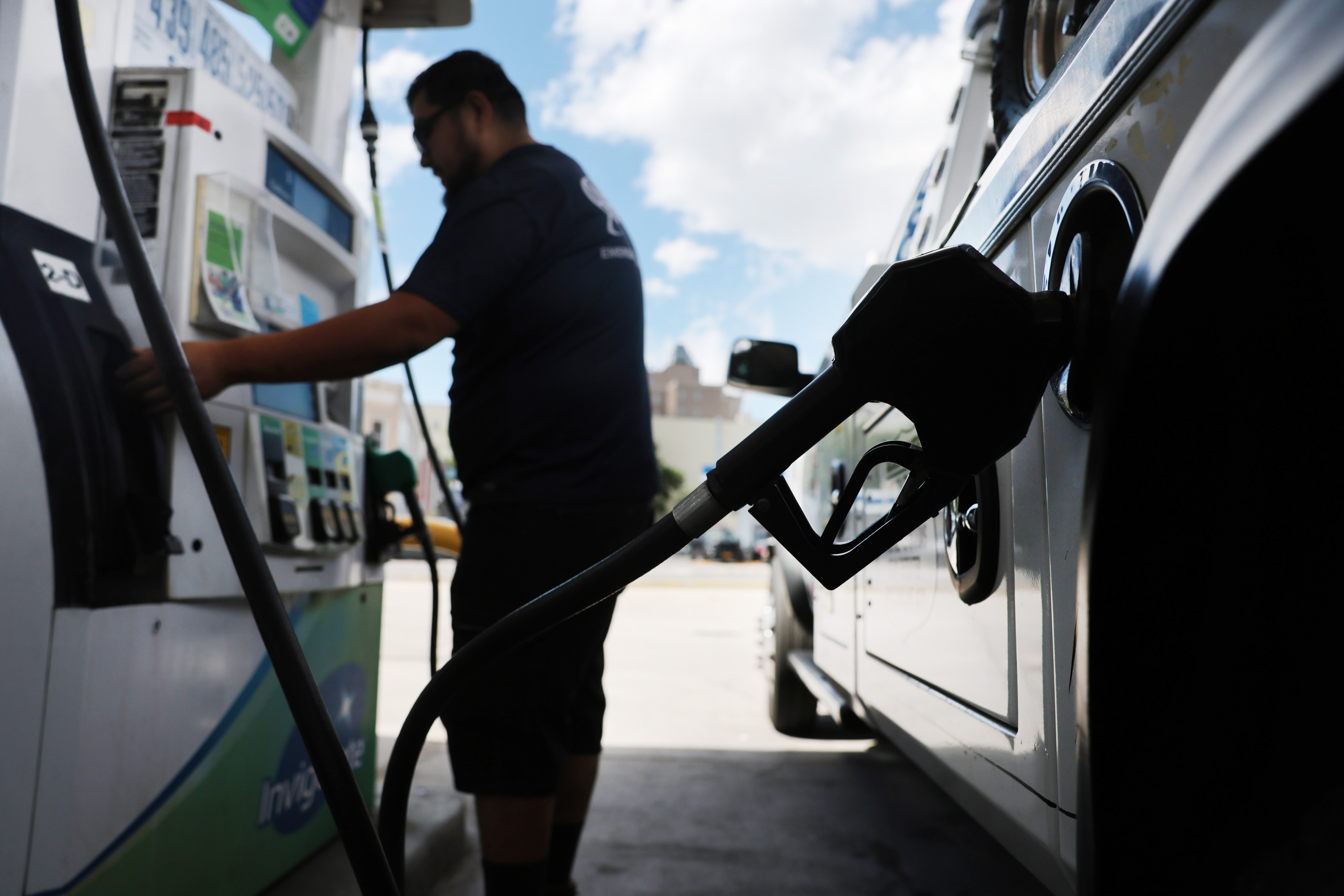
Trump says the deal will help lower gas prices for Americans. That is an important objective for the Republican president as the Iran war slows the shipping of Persian Gulf oil and keeps prices elevated months before November elections in the United States.
But experts have repeatedly warned that Venezuela’s dilapidated oil infrastructure will take years and billions of dollars to repair. A substantial boost in production is not expected to happen quickly.
The deal could be “helpful in the long run, but it’s not going to do anything to change the price of gasoline at the retail station for Labor Day weekend,” said Amy Myers Jaffe, director of the Energy, Climate Justice and Sustainability Lab at New York University.
Neither side made clear who would pay for infrastructure investments and at what cost.
The average price of gas in the U.S. stood at about $4.08 a gallon on Saturday, according to AAA. The average price was $3.20 at the same time last year.
How will Venezuelans react?
Some in Venezuela consider it a betrayal of what their government has stated repeatedly for decades: Venezuelan resources are for Venezuela and that leaders would not allow the U.S. government to lay a hand on those resources.
At a market in eastern Caracas on Saturday, Douglas Borjas said he was upset about the announcement.
“I think they’re doing it to cling to power,” he said of Venezuela’s leaders. “It’s like, ‘I’m giving you a vast amount of petroleum as long as you leave me alone here in power.’”
He added: “The Venezuelan people deserve better. Venezuela has resources that can be exploited, but for the benefit of the people, not for the benefit of the corrupt elite.”
Harvard University professor Ricardo Hausmann, a former Venezuelan planning minister, called it a “shameful deal."
“Venezuelans will not respect this illegitimate deal and no major US oil company will take it seriously because they know it will not last,” Hausmann said on social media, adding that Rodríguez “has no legitimacy or constitutional power to commit Venezuela to any such deal.”
What questions remain?
Many important details remain unclear, including the identity of the private operator, who will cover necessary investments and how America's stake in the company breaks down.
The U.S. will get 55 per cent of the company's effective output, but it was not clear what portion of that comes from the ownership stake and how much comes from the right to buy oil at cost.
It also is unclear how the industry will react. Persuading big American oil companies to return to the region could prove a challenge given the political uncertainty and damaged infrastructure.
Chevron, the only U.S. oil company actively producing in Venezuela, declined to comment. Separately from Trump’s announcement, Chevron already had been in talks to expand investment in the country.
David Oxley, chief climate and commodities economist at Capital Economics, said that on its face the deal could double U.S. oil reserves and reduce dependence on crude oil from Canada and Mexico. But Oxley, writing in a commentary, cautioned that there are logistical hurdles and he said the value of Venezuela's reserves may have been exaggerated under former President Hugo Chavez.
Even with legal and security guarantees, it is not clear that U.S. oil companies “would be eager to invest,’’ he wrote, noting that “there simply might be more enticing commercial opportunities on offer elsewhere.’’