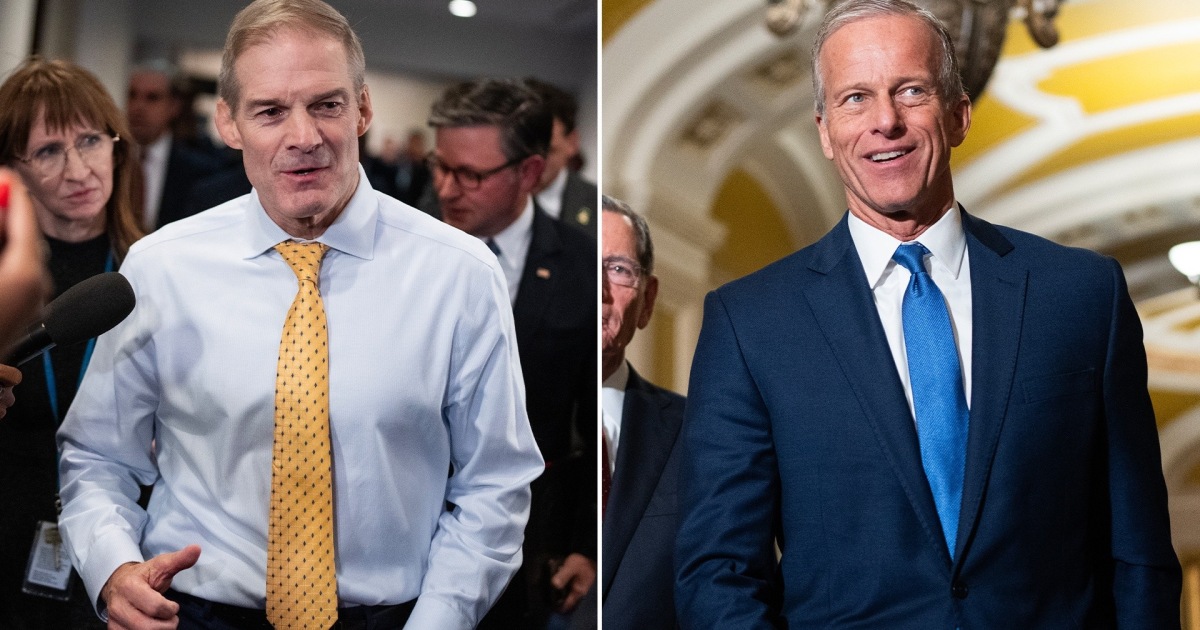
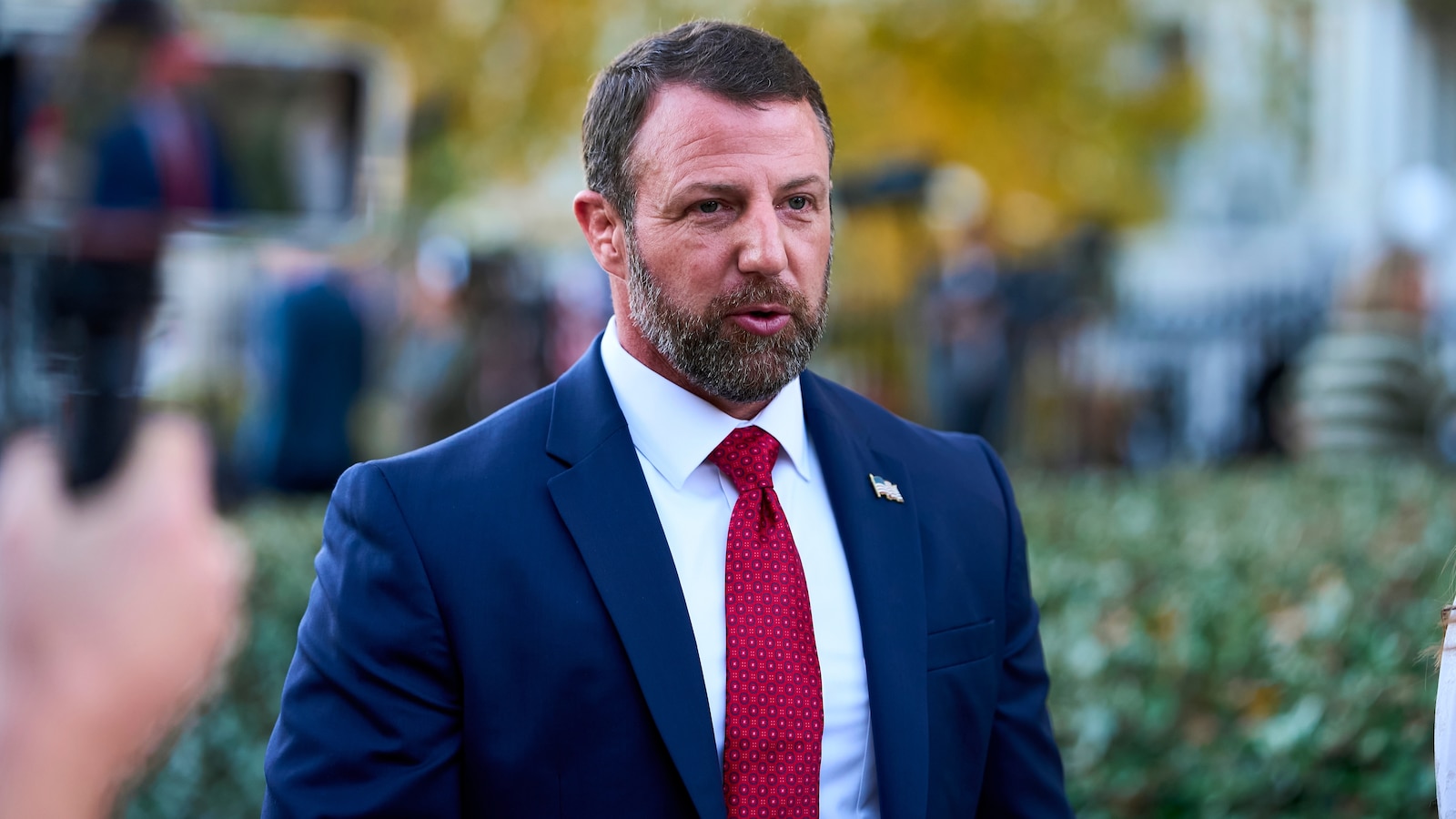
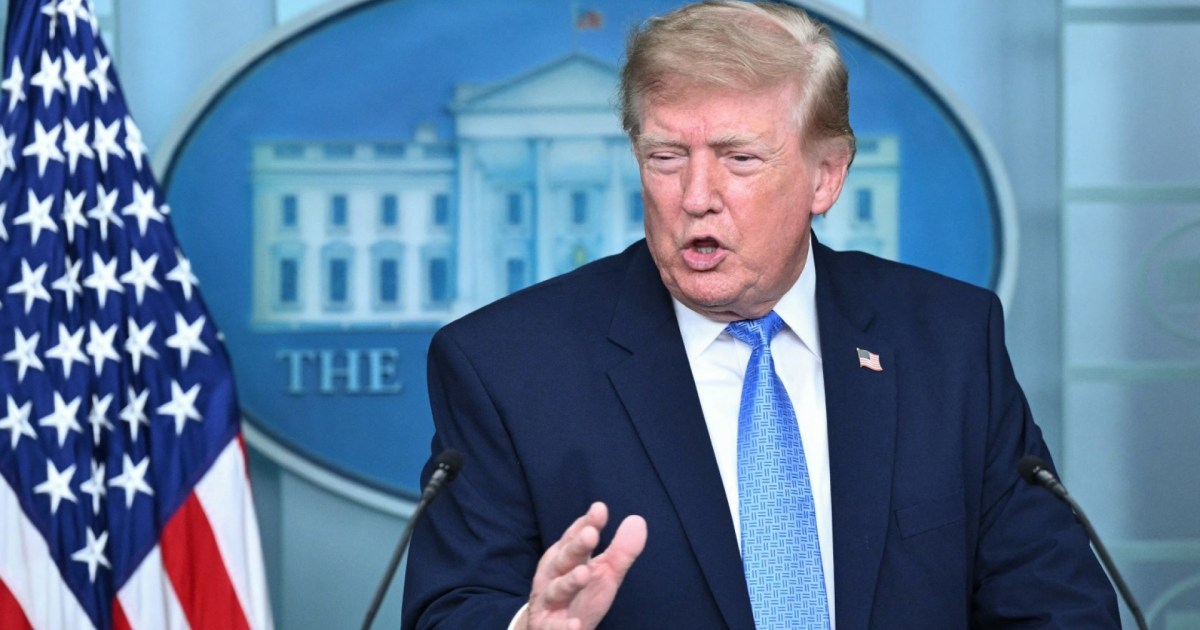
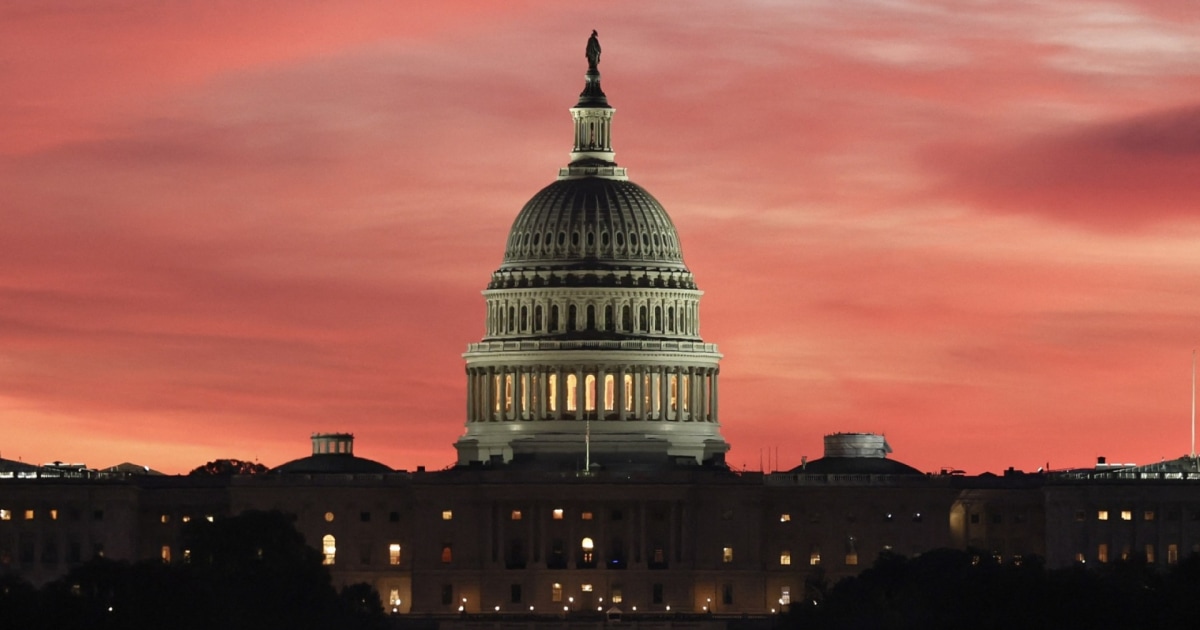
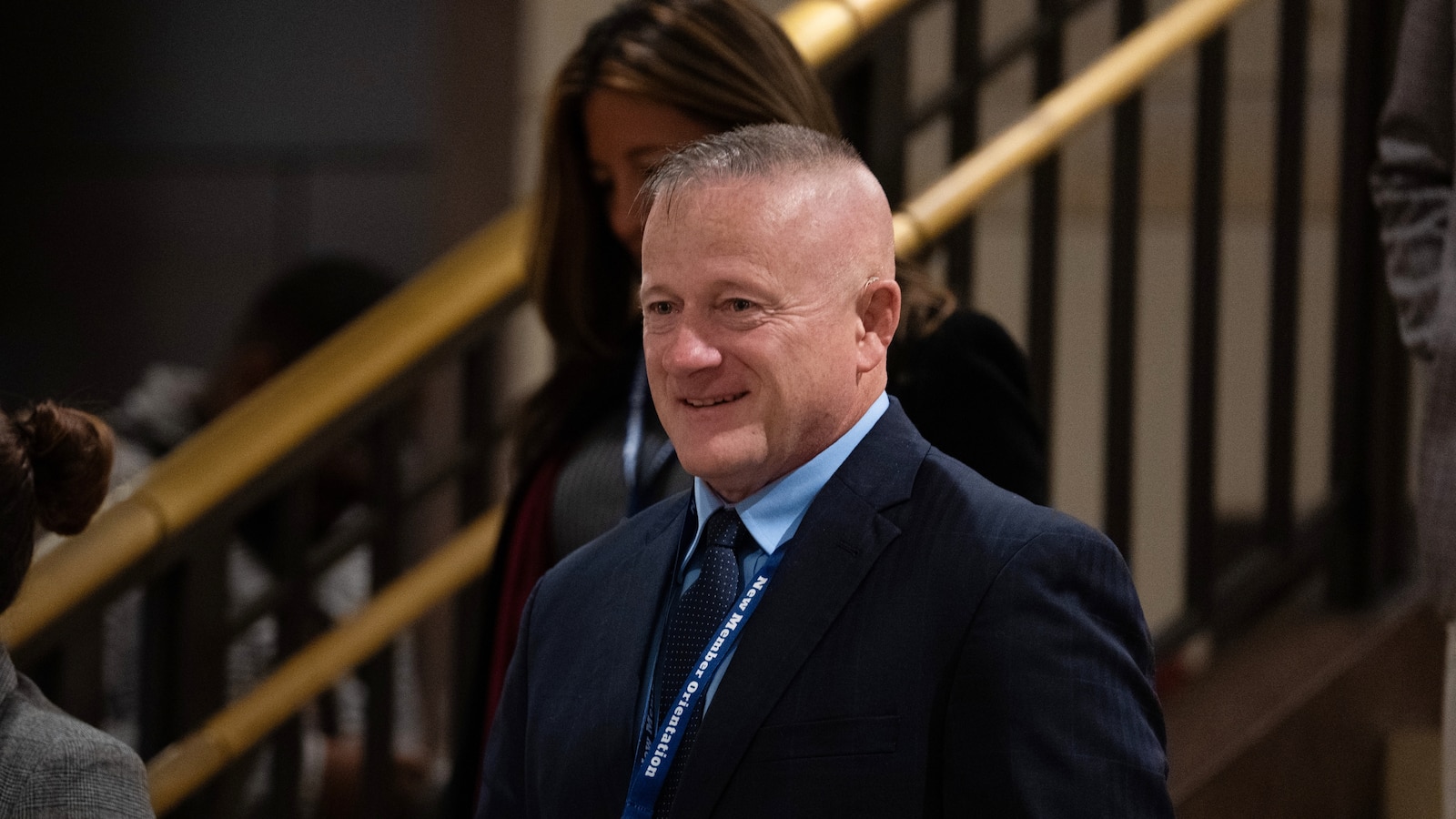
The political landscape shifted dramatically overnight as a newly empowered Democratic majority began flexing its muscles, while the outgoing administration scrambled to cement its legacy and shield its allies. The House voted to end the impeachment effort against Pete Hegseth, a clear signal that the GOP’s ability to investigate its own is waning as it prepares to hand over the gavel. Meanwhile, a close Trump ally is set to lead House Republicans next year, but the party’s internal dynamics are already fracturing as they move into the minority.
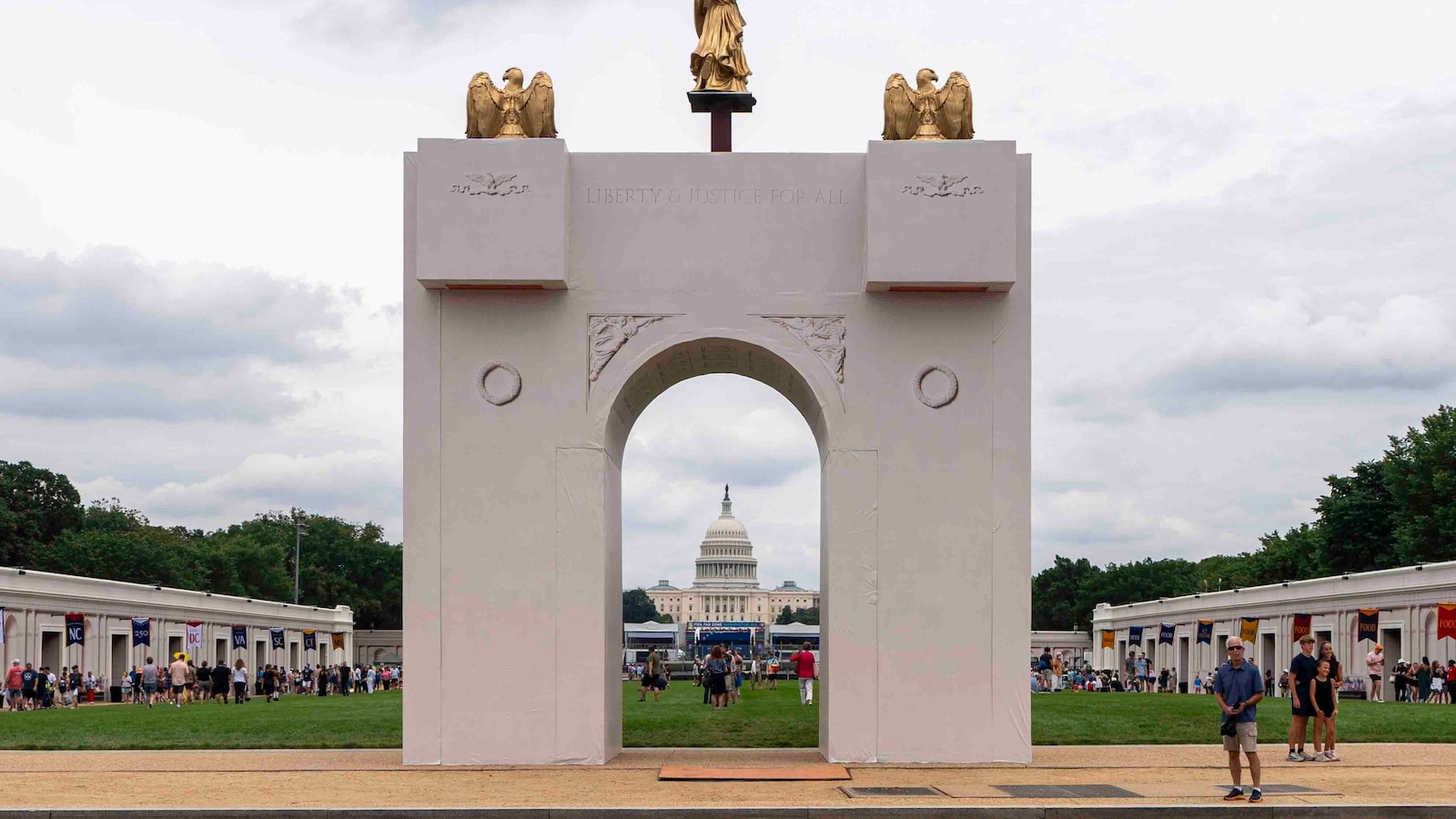
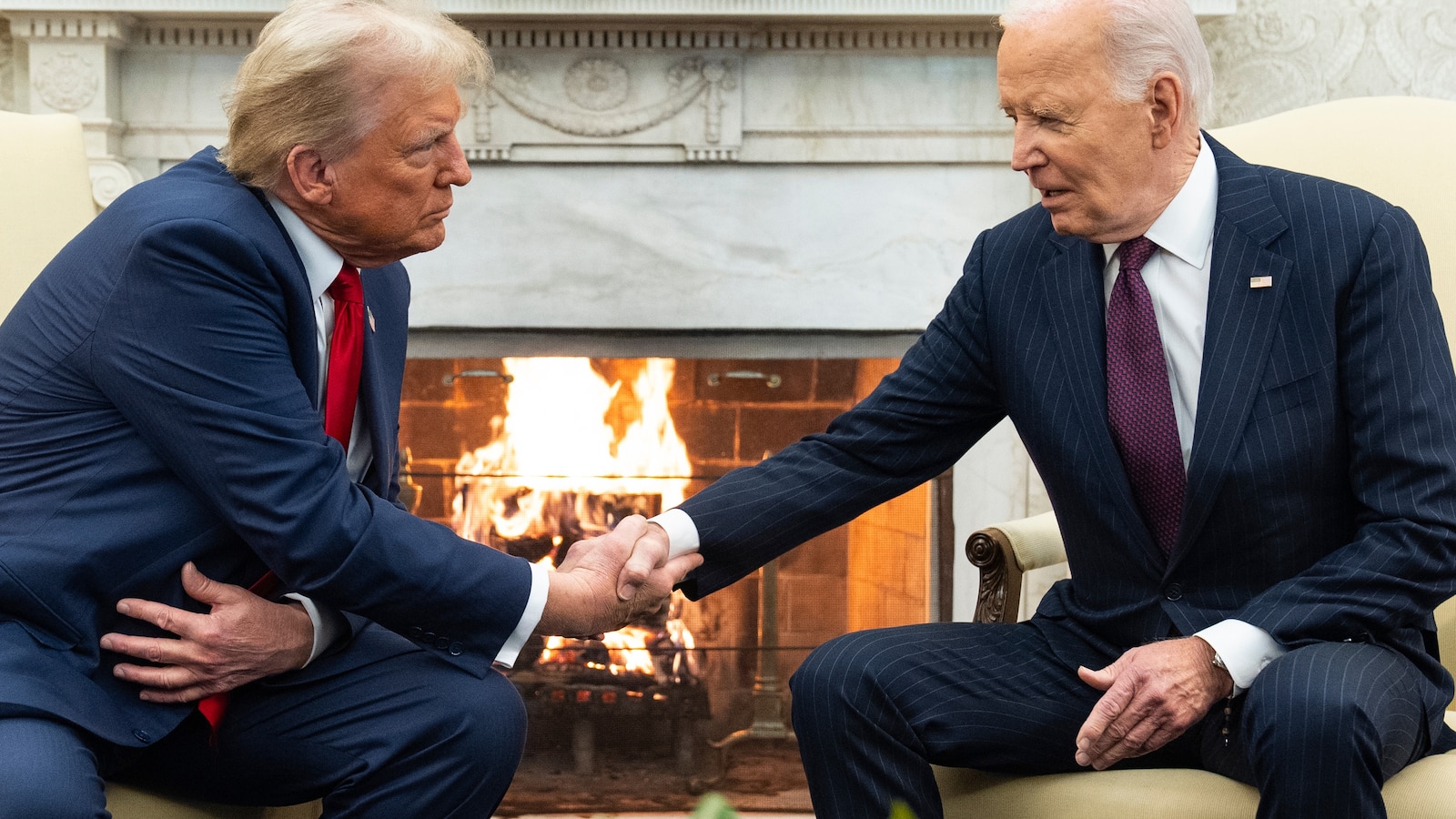
The most symbolic clash of the day involves the Kennedy family, who have asked a judge to block President Trump’s plan to build a 250-foot memorial arch at Arlington National Cemetery. The family argues the structure would cast a “shadow over JFK’s grave,” and the dispute is now headed to court. This fight over public memory dovetails with a broader White House strategy of aggressive moves to block investigations by Congress, as the administration tries to insulate itself from the coming oversight storm. The contradictions are stark: a new report reveals Trump left a warm letter for Biden just days after Jan. 6, even as his team now fights to prevent any scrutiny of that period.
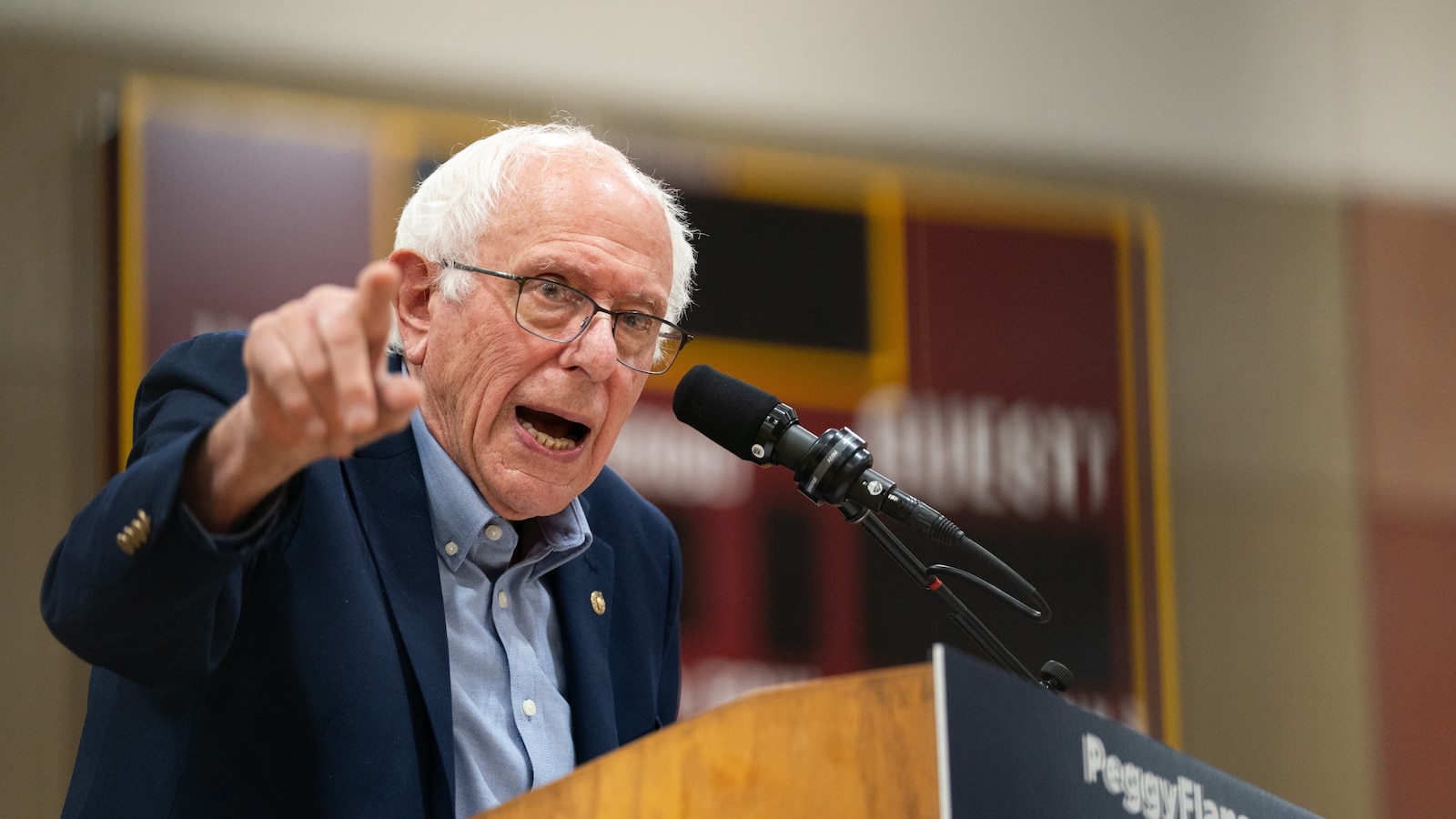
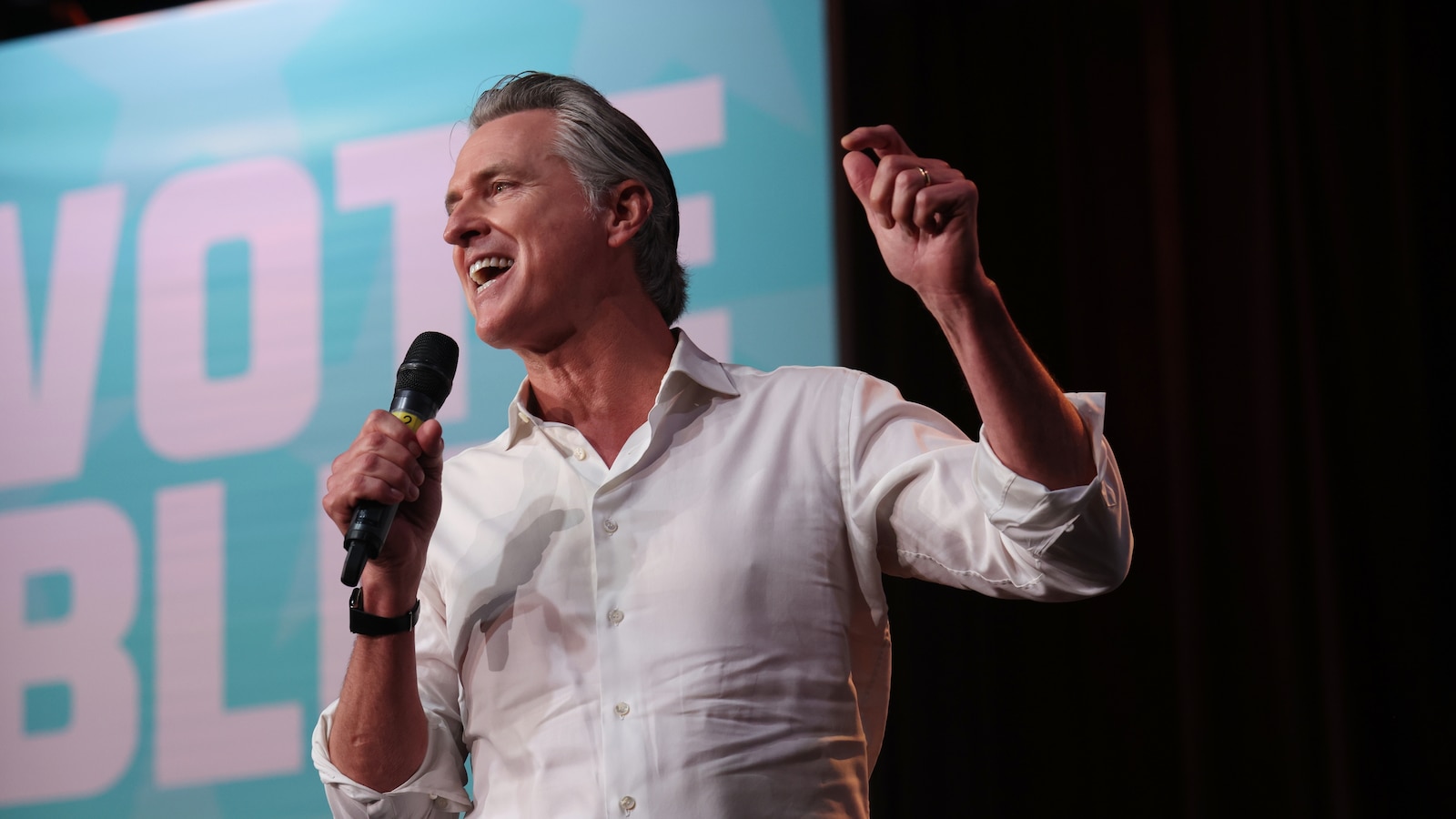
Abroad, the intelligence community is grappling with a spy scandal that shows the contradictions in Trump’s China policies, as a former CIA officer weighs in on UK investigations into alleged Iran and Russia threats. Domestically, the election aftermath is still settling. Democrats won by running on corruption, and now voters expect them to deliver. The party’s incoming majority is approaching a modern record, and Democratic Socialists will hold dozens of elected offices next year, signaling a leftward shift that will test the coalition’s unity. For the executive, the takeaway is clear: the next two years will be defined by aggressive oversight, legal battles over presidential power, and a Democratic caucus that must balance progressive energy with governing reality.