
President Donald Trump’s conflict with Iran continues to grow increasingly unpopular, shattering what was previously thought to be the barrier to how the president’s ratings could go, new polling suggests.
While Trump’s own general approval rating has held steady in the 30s, disapproval of the war in Iran continues to grow, threatening Republican midterm prospects and the president’s own political capital going forward.
A CNN/SRSS poll released Tuesday found that just about one in four Americans approve of the administration’s handling of the war in Iran, compared to nearly three quarters who disapprove. Trump’s rating on foreign affairs overall is only a few points higher, at 29 percent.
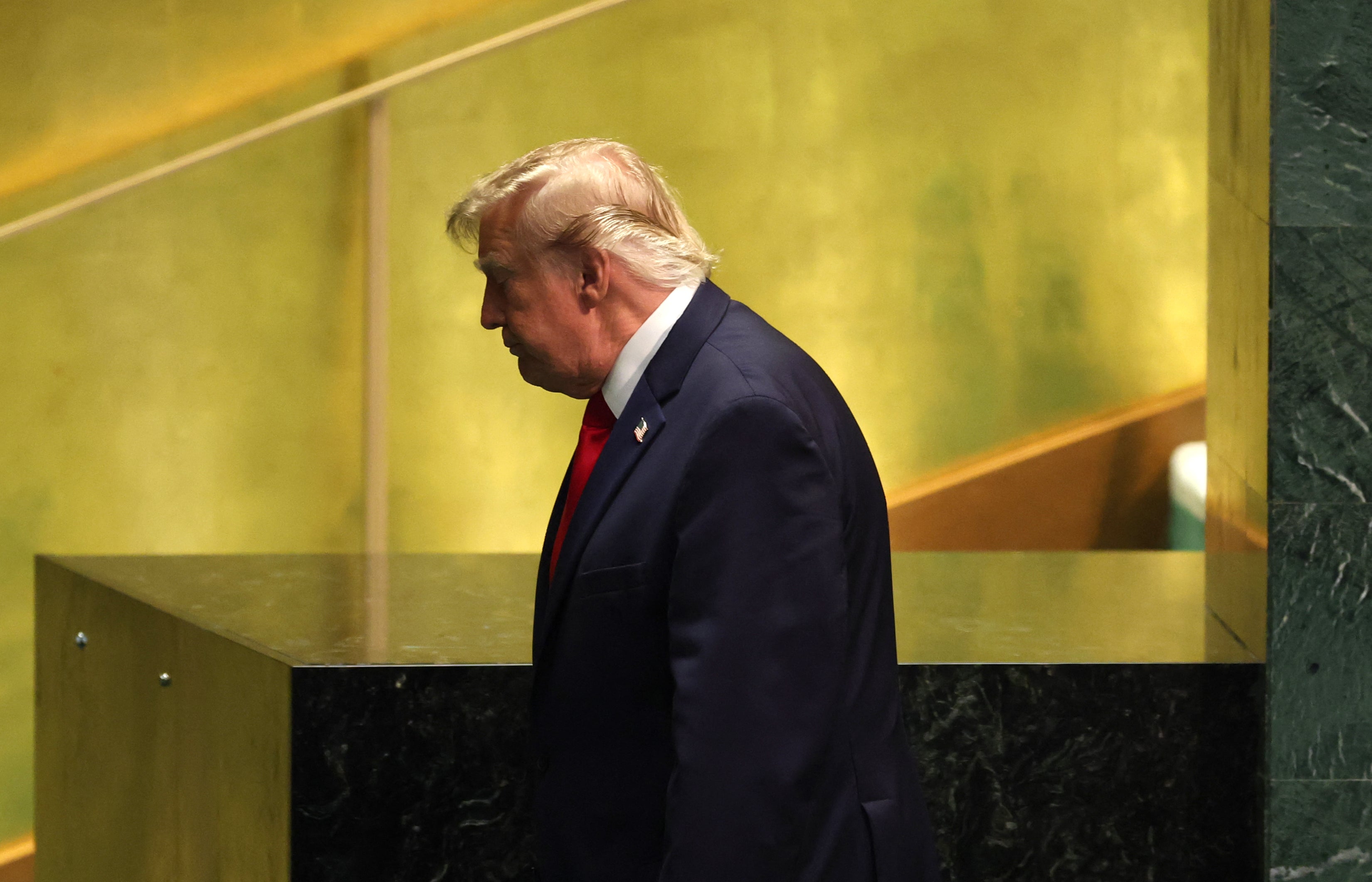
The president spoke about the war Tuesday as he railed against Iran at the United Nations General Assembly, threatening to “annihilate” the country and making a claim that Tehran was waiting to see how the midterm congressional elections turned out before returning to the table.
That could be a gamble that Trump loses. The CNN poll is a reminder that while many Republicans will remain loyal to Trump, their loyalty does not always extend to knee-jerk support of his least popular causes. On the issue of the Iran war, just six in ten Republicans say they support Trump’s actions — one of his lowest ratings among Republicans to date, and a finding that could indicate a major deficit in Republican voter confidence and enthusiasm, even if they remain personally loyal to the president.
In a Fox News poll last week, Trump’s approval rating was 39 percent, a higher number than other polls have registered but unchanged in Fox’s polling since July. The president’s efforts over the summer to ramp up ICE detentions, his putting on of the Great American State Fair on Washington, D.C.’s National Mall, and Congress’s passage of a housing affordability bill have done nothing to improve Trump’s own personal rating, which remains bogged down due to the war and continued cost of living issues.
And those low poll numbers are dragging down GOP candidates in ways Republicans haven’t previously seen — even during off-year elections in Trump’s first term, when he faced similar headwinds traditionally encountered by the president’s party.
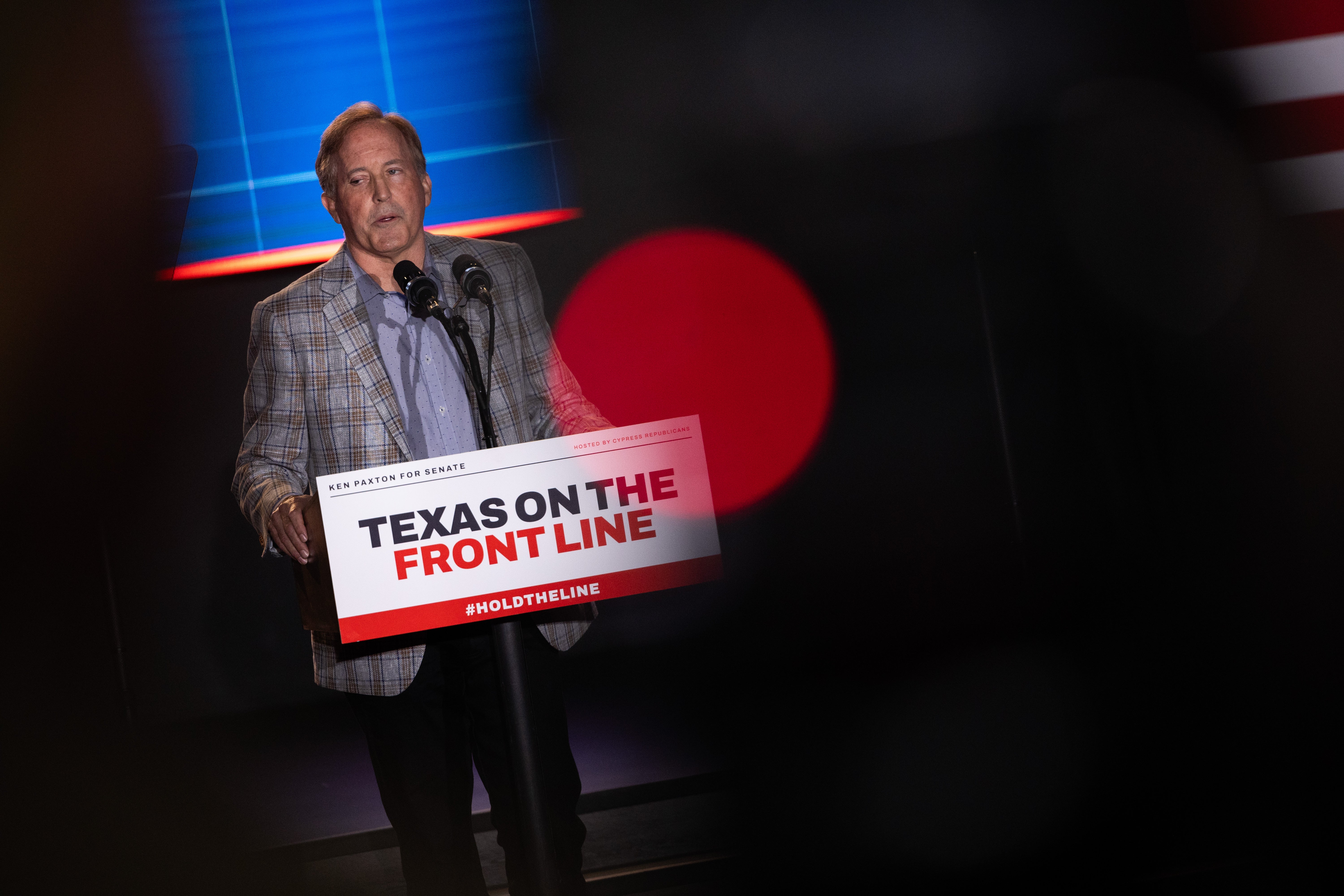
A GOP internal poll first reported Monday by Mediaite and a polling aggregator on X, conducted by Quorum Insights, found support for Republicans in a state of total collapse in the north Texas district, including parts of Tarrant County and Fort Worth. James Talarico, the Democratic candidate for Senate, is leading his Republican challenger Ken Paxton by double digits while Gina Hinojosa leads incumbent Gov. Greg Abbott in the district by nine points. The district, which voted for Trump by 17 points in 2024, is home to a significant number of Latino voters.
A new Suffolk University poll of the Michigan Senate race on Tuesday similarly showed Republican Mike Rogers falling clearly behind his progressive Democratic opponent, Abdul El-Sayed. Rogers in a new video this week called for the administration to end the war in Iran quickly, a moment taken by Democrats as an admission that the war’s unpopularity was dragging down GOP campaigns.

Even in Maine, where Sen. Susan Collins has shown an ability to win nail-biter races in the past, Republicans appear to be in trouble. Collins has led her opponent Troy Jackson in just one poll, by one percentage point, since Jackson entered the race, and the senator now has Trump’s newly declared trade war with Canada to contend with in addition to ICE raids and high gas prices resulting from the months-long closure of the Strait of Hormuz by Iran.
An increasingly bold Senate Minority Leader Chuck Schumer put it plainly to the Washington Post last week: “If the election were held today, we would win the majority.”
Just a year ago, that didn’t appear possible. But the retirement of Sens. Thom Tillis and Joni Ernst, coupled with the primary defeat of Sen. John Cornyn, has upended the GOP’s midterm map while candidates across the country feel themselves sinking into the mud of another unpopular Middle East conflict.