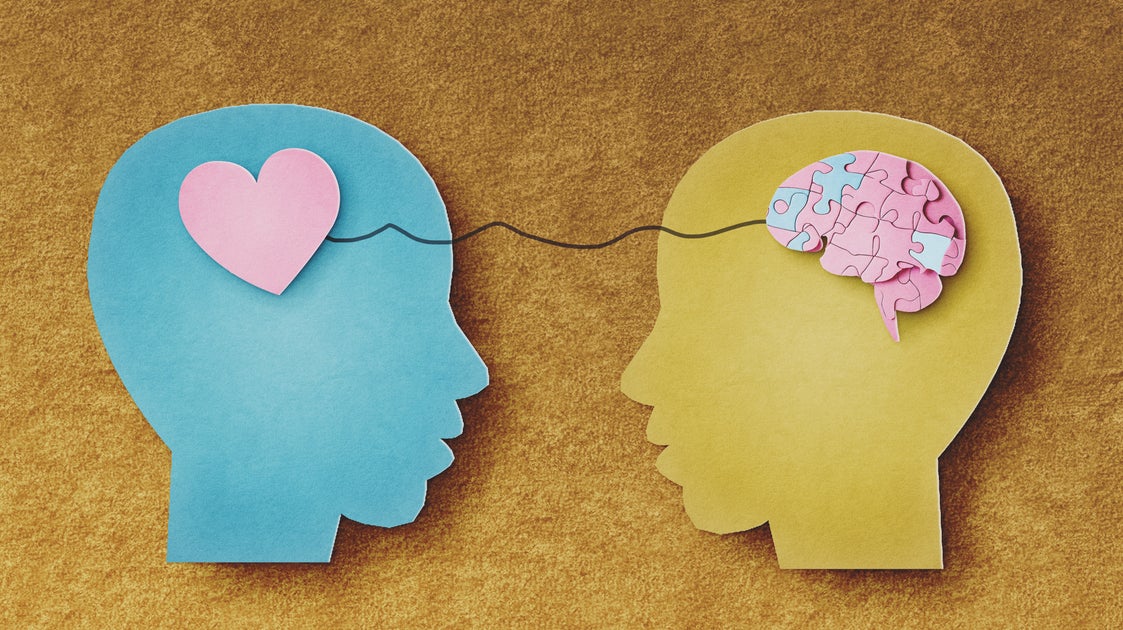
Many of us keep tabs on our blood pressure, heart rate and sleep. Far fewer of us ever stop to check in on our memory, focus and thinking.
Experts say that’s a missed opportunity, and that we should give our brains the kind of routine attention we give our hearts and other organs. This simple shift can make a real difference as we age.
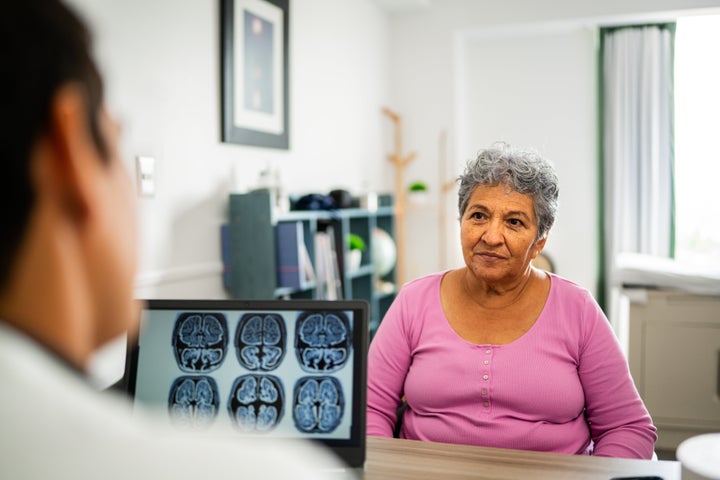
“We should really think about brain health the same way we think about heart health,” Davide Cappon, director of neuropsychology at Tufts Medical Center, told HuffPost. “We routinely check our blood pressure, cholesterol and blood sugar, but how often do we actually talk about our memory or thinking during a regular doctor’s visit? I think we should make those conversations much more common, especially as we get older.”
Staying aware of how our brains are functioning is crucial, and that means paying attention to changes and being proactive about brain health.
“Keep challenging yourself, stay engaged, make brain health part of your regular medical checkups and pay attention to changes in your memory or thinking,” Cappon said. “And don’t hesitate to bring up concerns with your healthcare provider.”
Catching changes early can make a big difference with conditions like dementia and Alzheimer’s disease.
“If a disease is developing, recognizing it early gives us more opportunities to intervene, optimize treatment and potentially slow its progression,” Cappon said.
Even if you haven’t noticed any changes, that doesn’t mean you should wait to take care of your brain.
“Staying physically active, eating well, getting enough sleep, keeping socially connected, having a sense of purpose and managing things like high blood pressure and diabetes are all important, and may all help reduce the risk of cognitive decline,” Cappon said.
FG Trade Latin via Getty Images
Dr. Majid Fotuhi, a neurologist and adjunct professor in the department of neuroscience at Johns Hopkins University, sees real reason for optimism because we have the power to support our brains.
He pointed to the 2024 Lancet Commission on dementia, which estimated that 45% of worldwide dementia cases could potentially be prevented or delayed by addressing 14 modifiable risk factors.
“In my view, the five pillars of brain health are exercise, sleep, diet, stress reduction and brain training,” Fotuhi said. “The brain is like a muscle: It responds to how we treat it, at any age.”
Cappon also encouraged people to keep challenging their minds throughout life.
“We often talk about something called cognitive reserve, which is basically the brain’s ability to cope with aging and disease,” he explained. “One way we may help build that reserve is by continuing to learn and challenge ourselves.”
“I like to tell people to get out of ‘autopilot mode’ once in a while,” he added. “When everything we do becomes familiar and easy, we’re not really challenging ourselves to learn something new. Try learning a new language, picking up an instrument, or doing something that pushes you a little outside your comfort zone. The idea is to stay curious and keep learning throughout life.”
There are many resources with guidance and ideas for promoting brain health, including the “10 Healthy Habits for Your Brain” flyer on the Alzheimer’s Association website.
Dr. Michael Stanley, a neurologist at Tufts Medical Center, recommended engaging in brain-challenging activities with friends and family.
“Some people will go to the gym alone, but most will go with a buddy,” he said. “Take that advice and take on these brain-preserving interventions together by learning a language, an instrument, taking an improv class, a dance class ― make a plan together to enrich your cognitive milieu and stick to it.”
Notably, social connection is linked to living longer. So what’s good for our brains is generally good for our health and longevity overall.
“There’s actually a lot we can do to lower our risk of cognitive decline and build resilience as we age,” Cappon said. “We shouldn’t wait until something goes wrong to start taking care of our brains.”