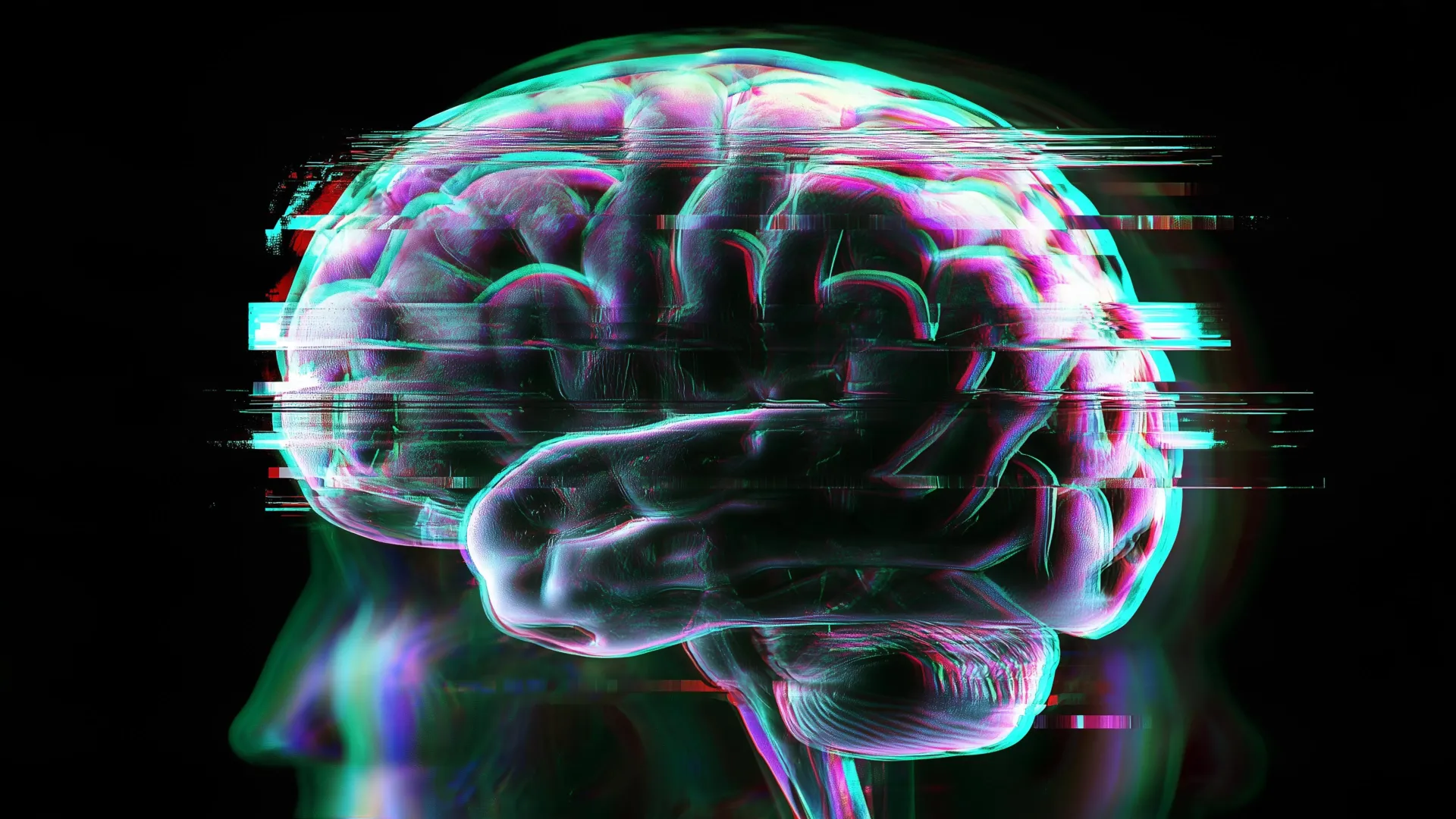
The human brain may not be what we thought.
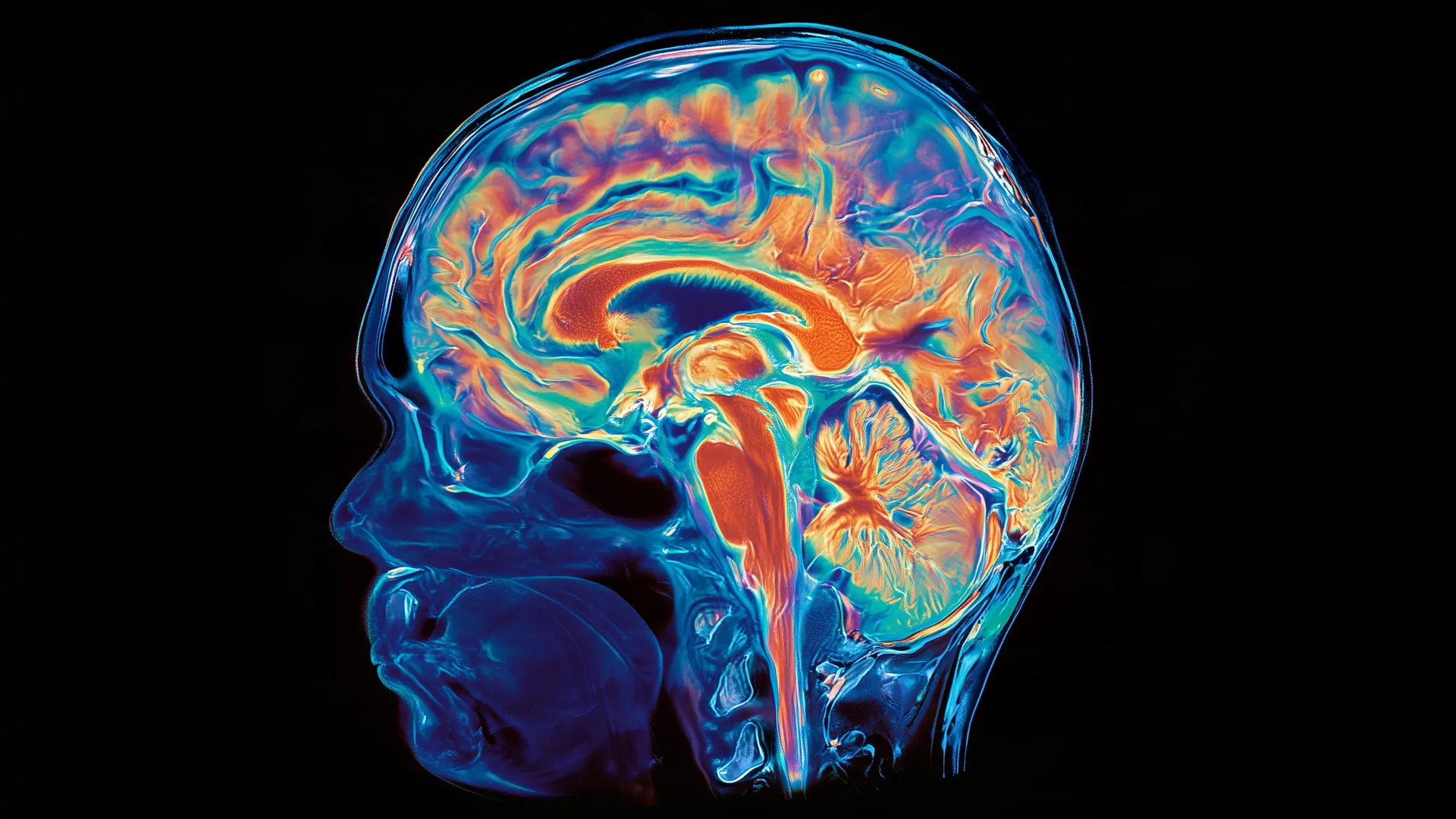
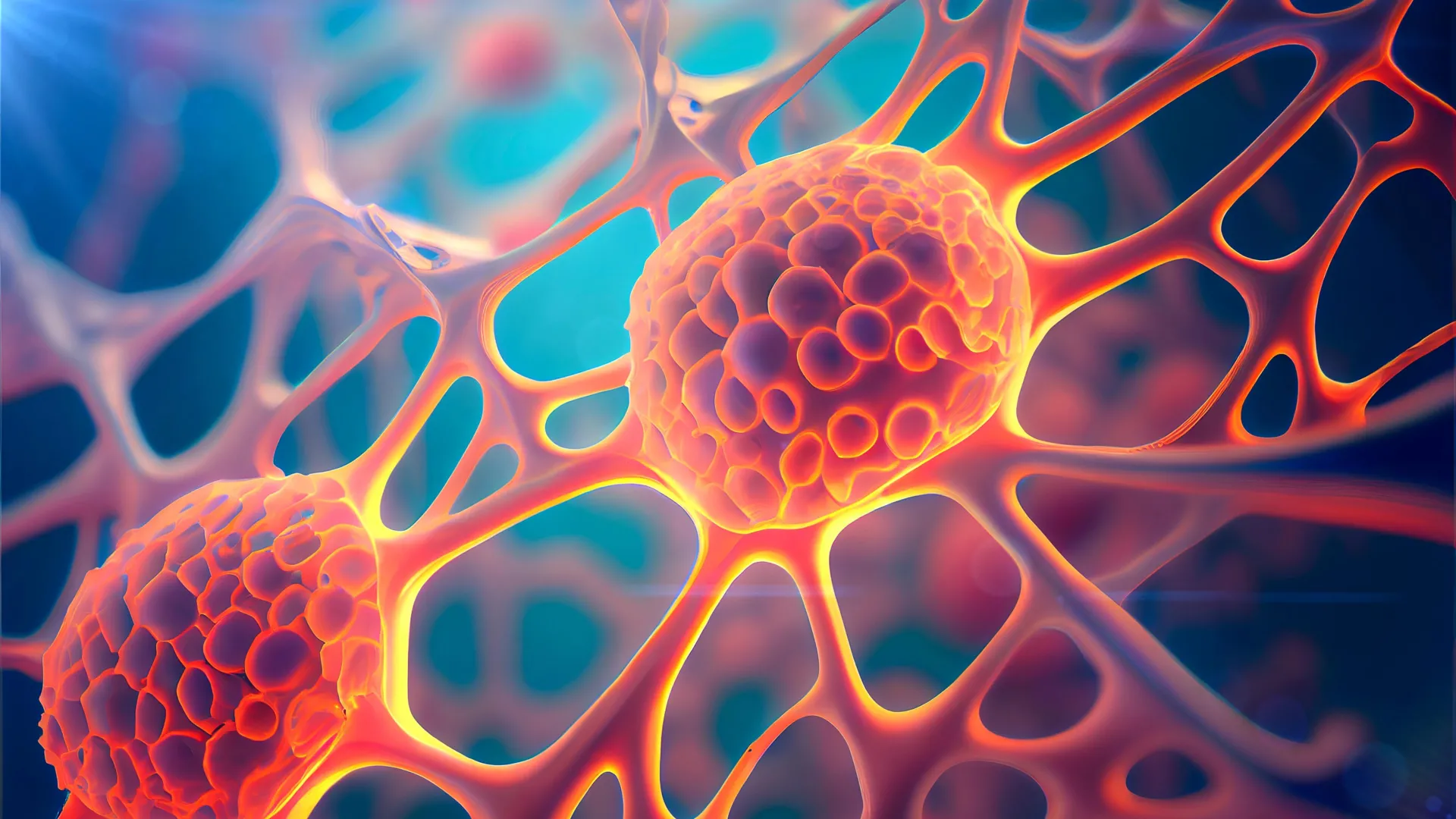
Stanford researchers now argue that what we call the brain is actually built from two distinct developmental systems, challenging a century of neuroscience dogma. That revelation arrives alongside a
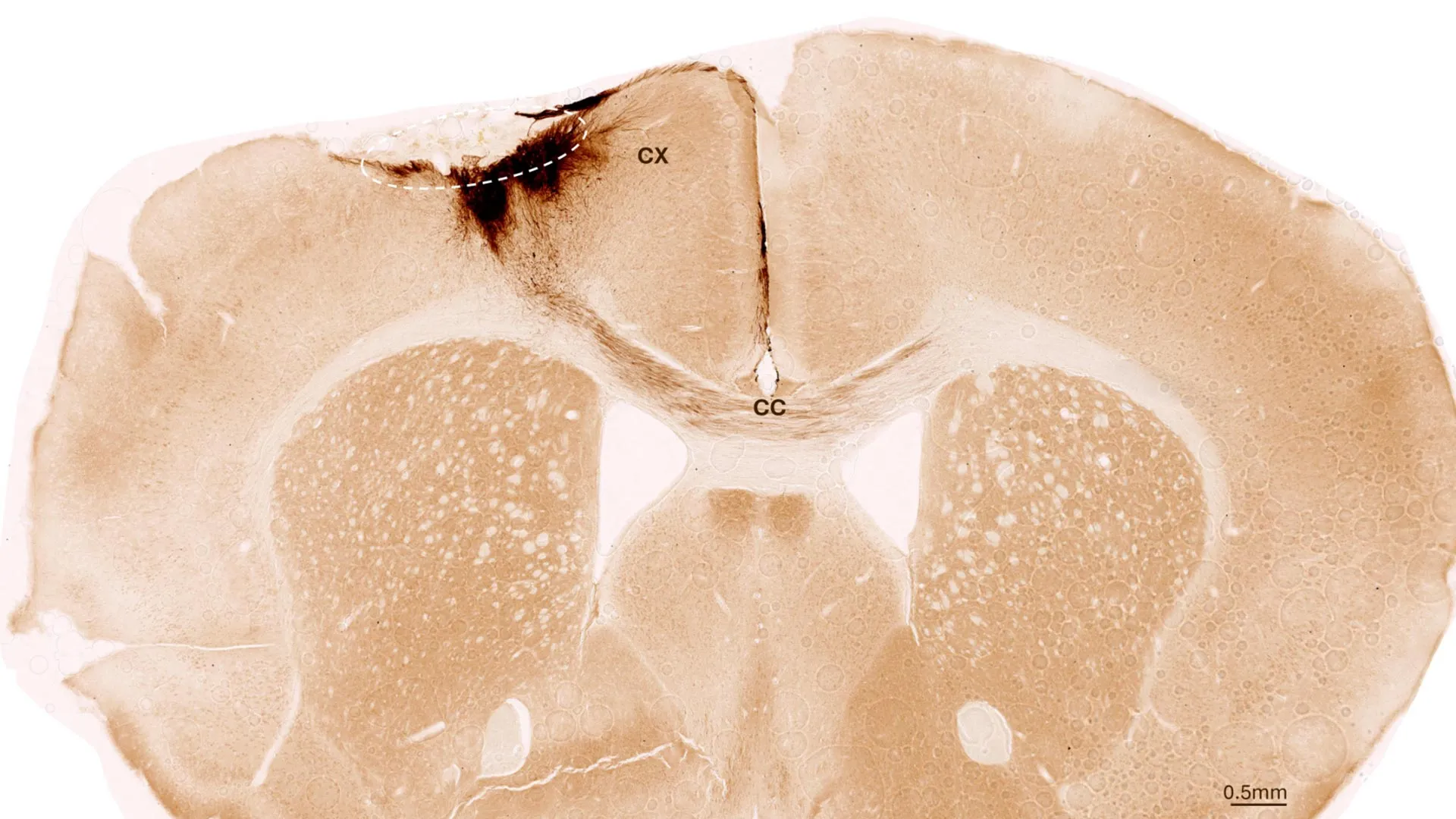
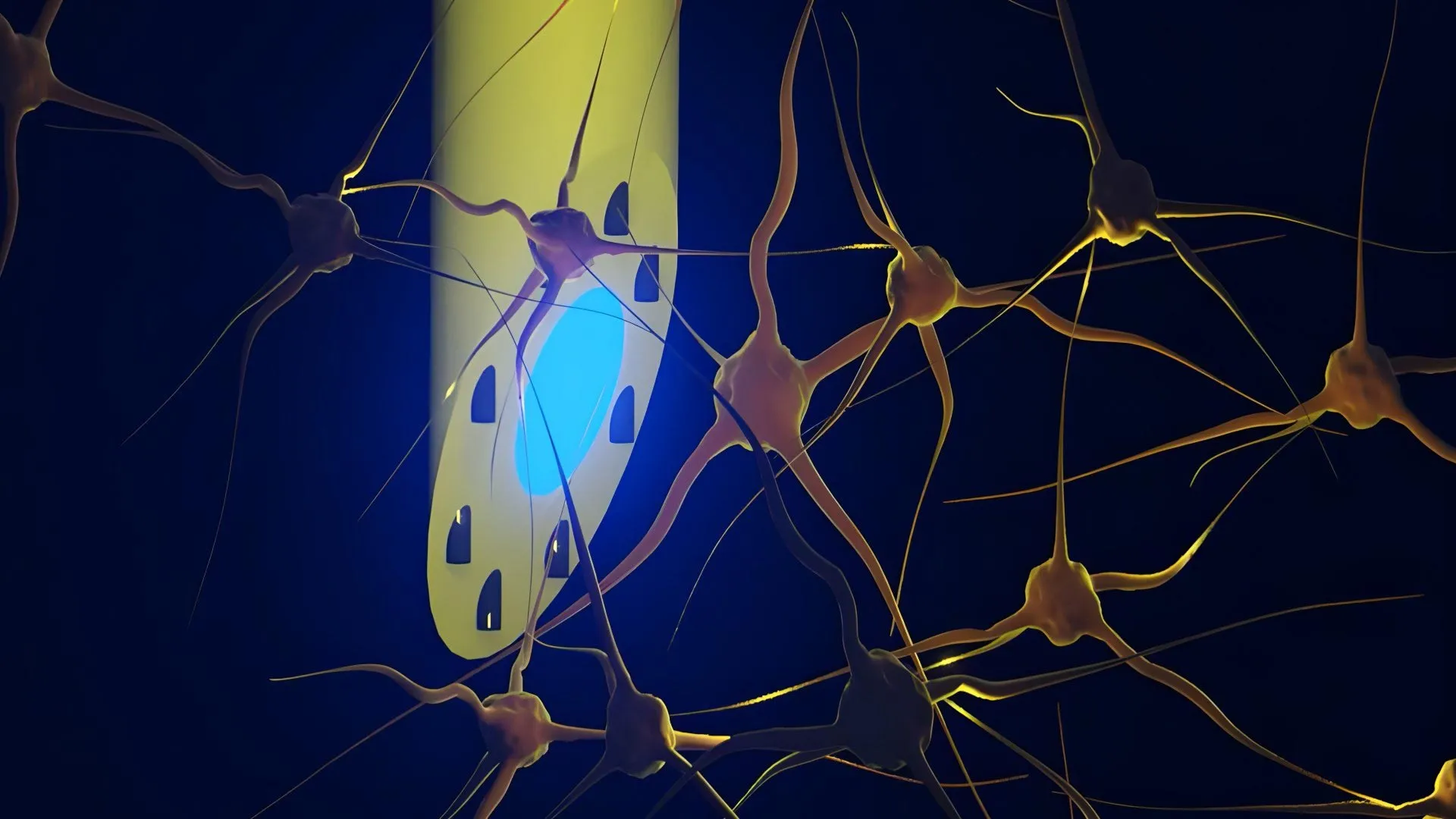
needle-thin brain implant that can record, stimulate, and deliver drugs simultaneously, offering a precision tool for studying epilepsy and other conditions. Stem cell transplants have
restored movement in stroke-damaged mice, while a separate brain imaging study found the
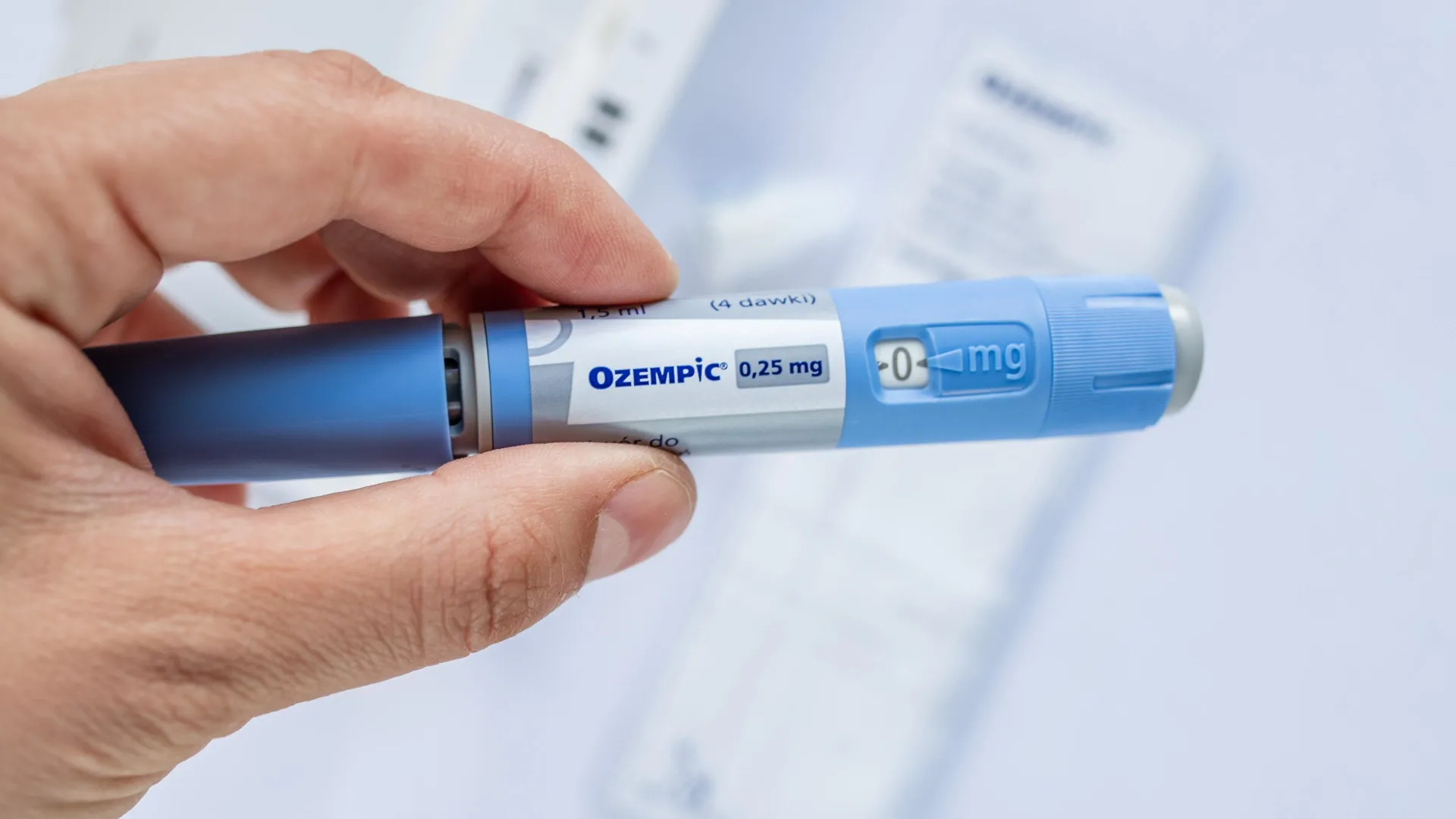
strongest evidence yet that long COVID fatigue and brain fog stem from damaged dopamine neurons. And for the millions on GLP-1 drugs like Ozempic, new data warns that stopping them may
sharply raise heart attack and stroke risk, suggesting these medications may need to be taken indefinitely.
Across the cosmos, astronomers have
identified a universal rule governing black hole jets, from stellar-mass to supermassive, hinting at a deep physical constant we haven't fully grasped. Closer to home, Oak Ridge researchers
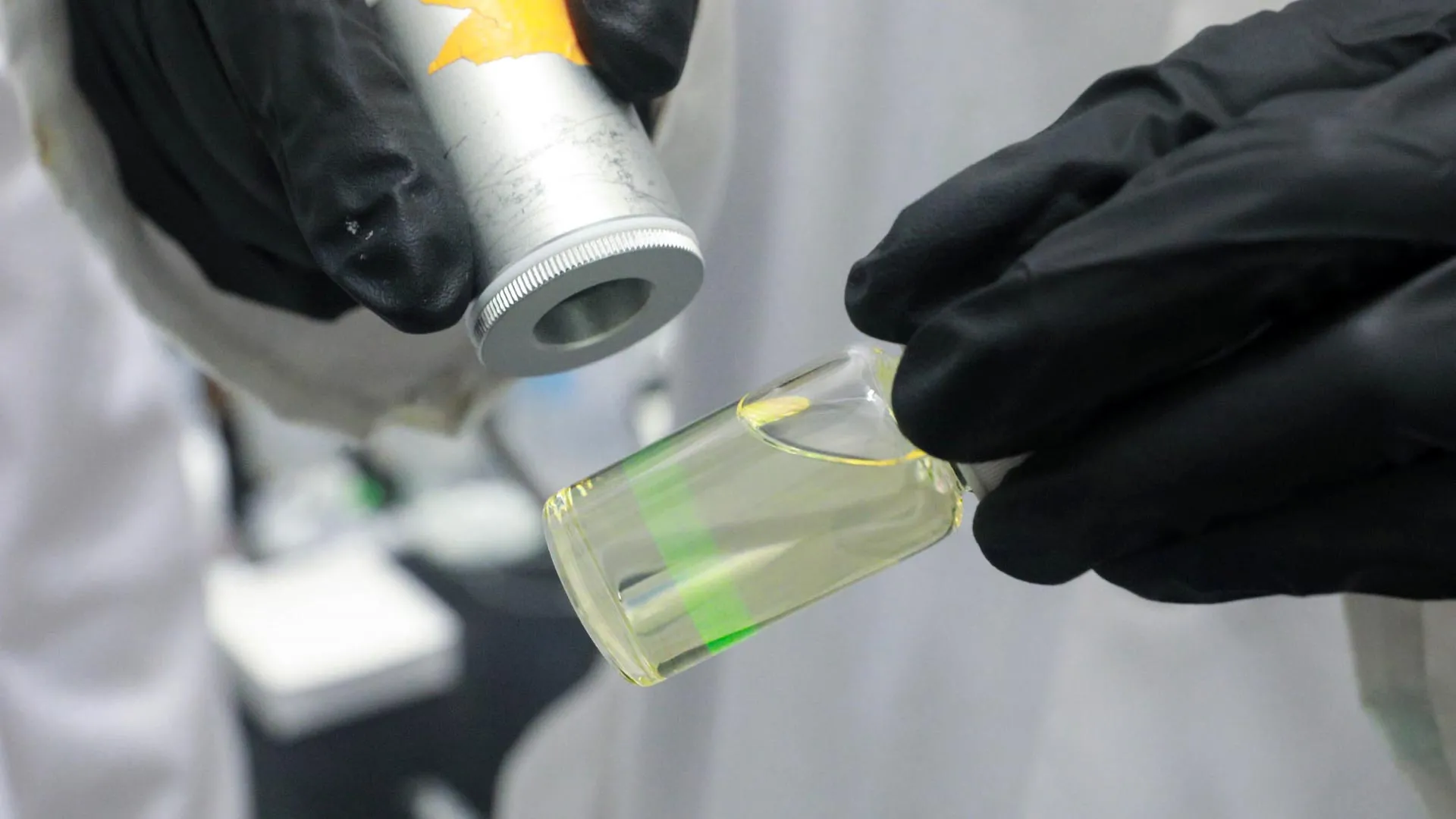
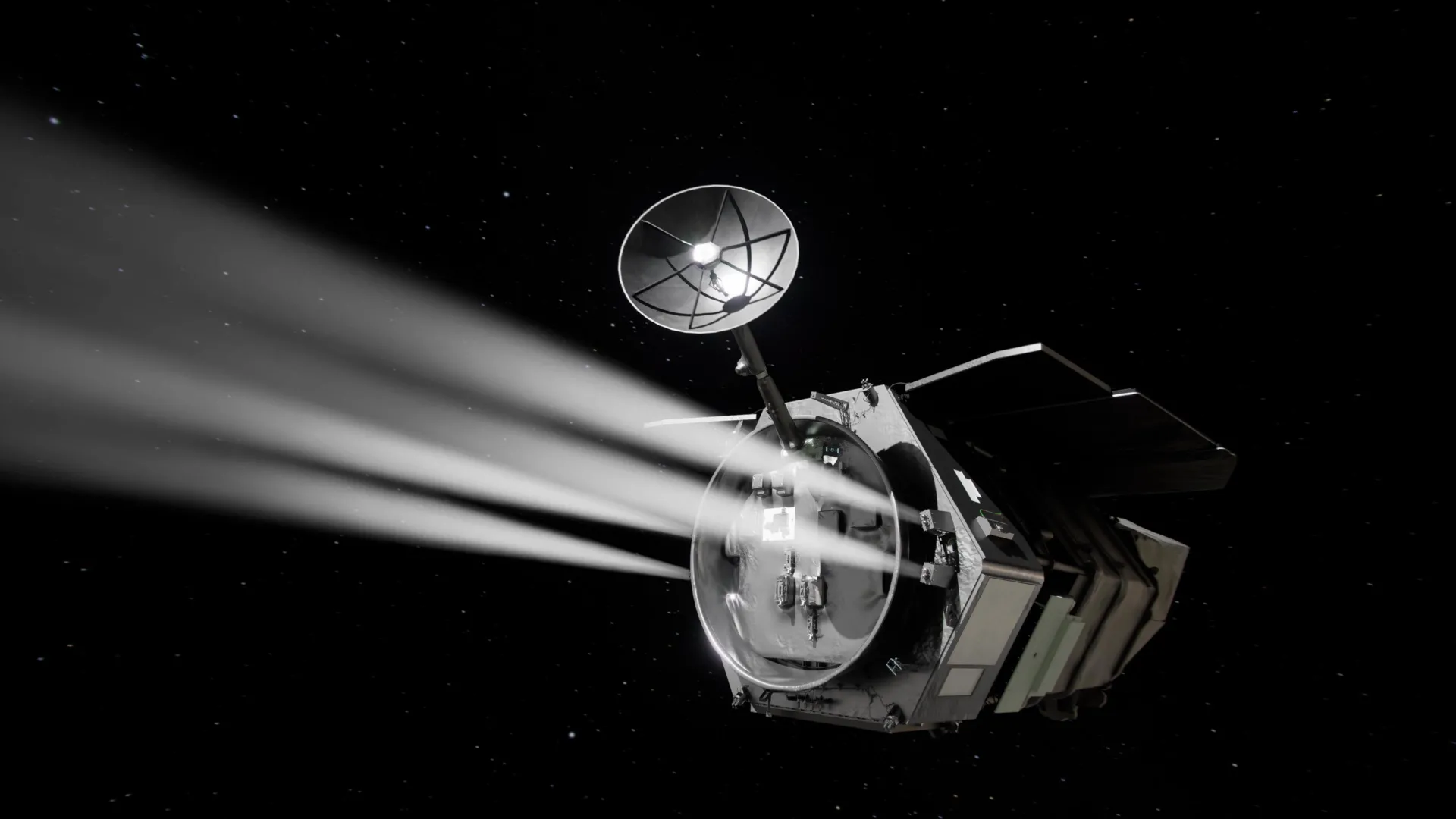
turned common polyethylene plastic into gasoline and diesel, a promising step toward circular waste-to-fuel systems. And NASA just
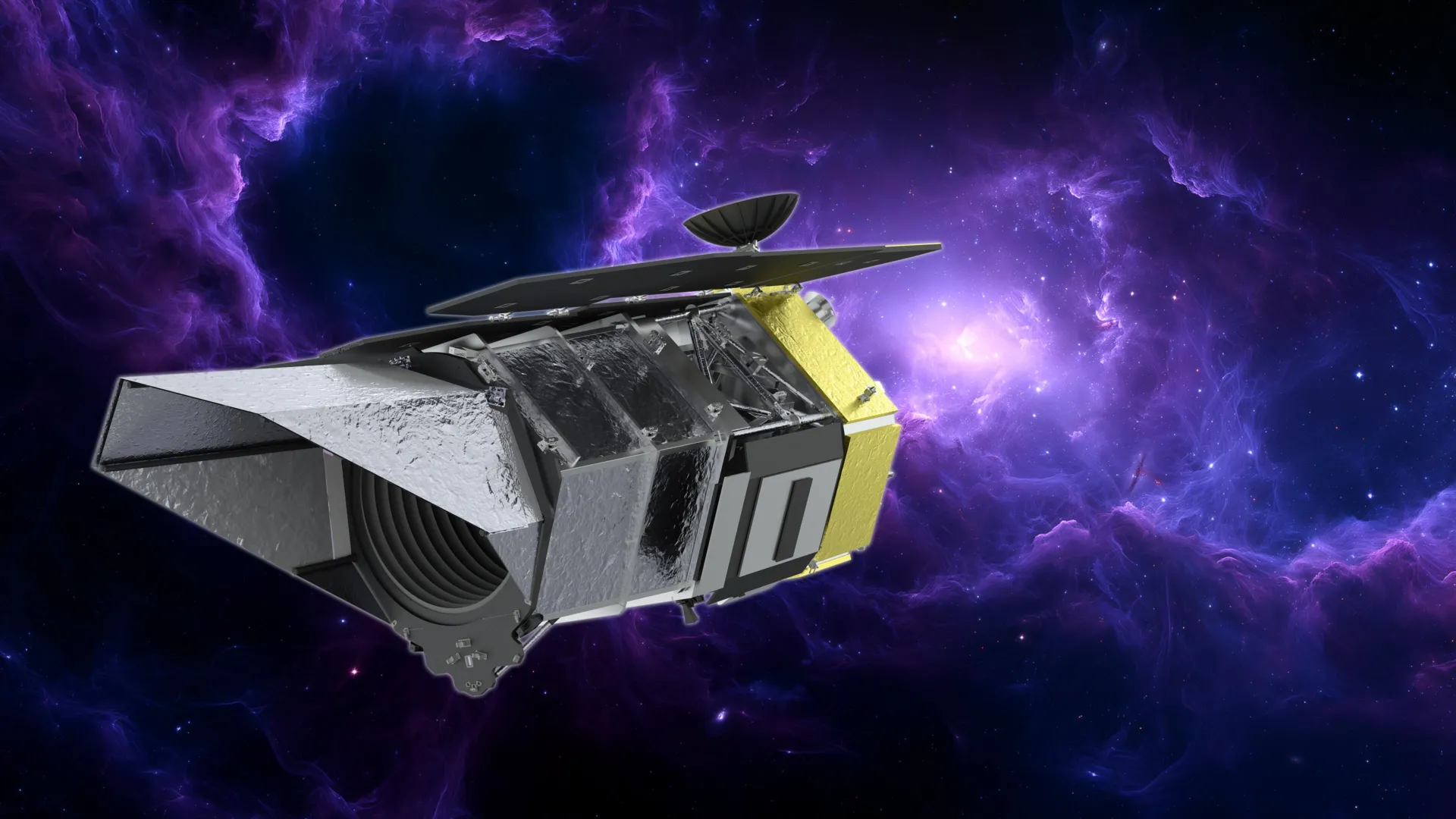
powered up Roman's 300-megapixel infrared camera, bringing the telescope one milestone closer to surveying the universe at unprecedented scale.
On the health front, a study of nearly half a million UK adults found that
chronic everyday stress physically reshapes the heart, shortening lifespan even in people without traditional cardiovascular risk factors. It's a quiet but measurable toll that underscores how deeply mind and body are connected.