AI Briefing

Today's World Briefing

Updated 11 hours, 55 minutes ago · 30 articles · 13 publishers

The geopolitical chessboard shifted again overnight, with Washington and Tehran appearing to step back from the brink. Iran has reportedly handed the US a concrete seven-day plan to reopen the Strait of Hormuz, a move that signals a potential de-escalation in the region's most volatile chokepoint. This diplomatic overture comes as France pushes for a greater military footprint in the Middle East, with Emmanuel Macron announcing troop deployments to Saudi Arabia to protect critical oil infrastructure. The juxtaposition is telling: while Iran offers a path to reopen shipping lanes, Paris is positioning itself as a guarantor of security, a classic great-power dance that could redefine influence in the Gulf.

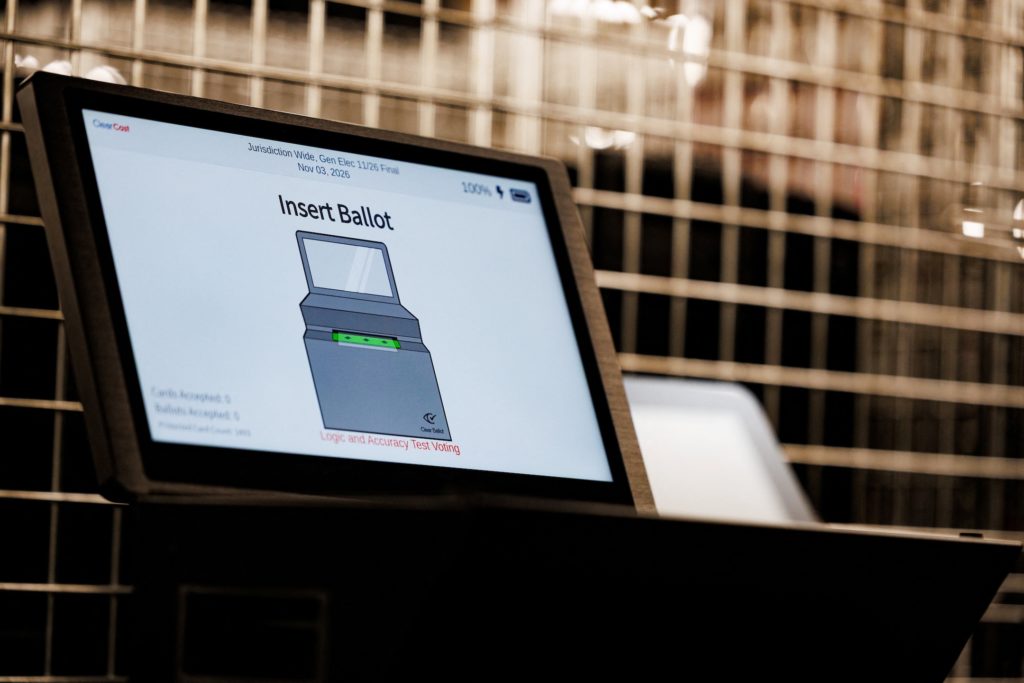
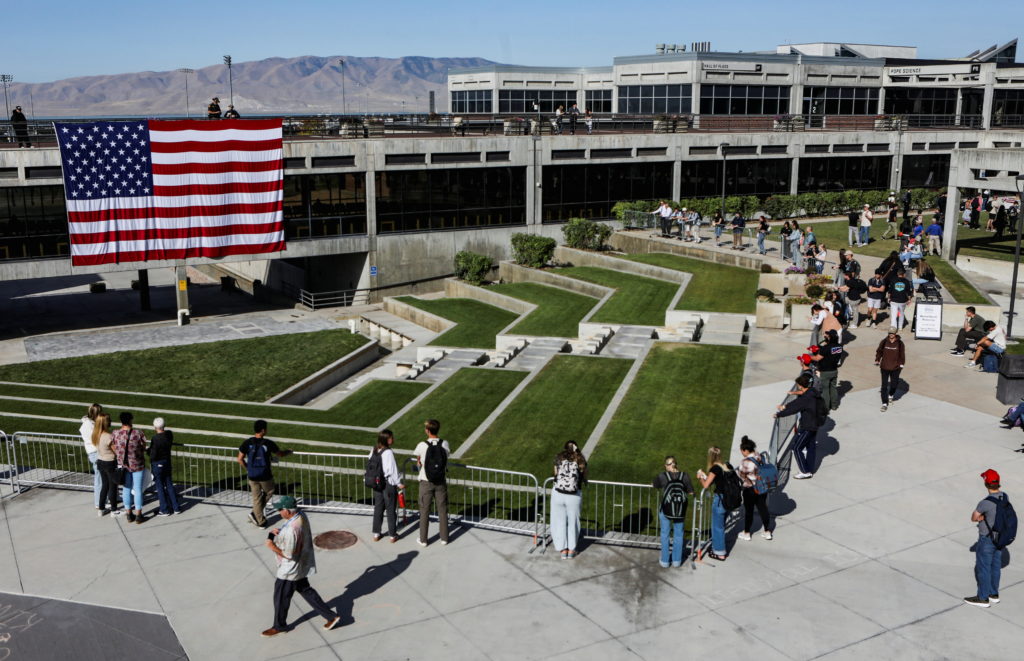
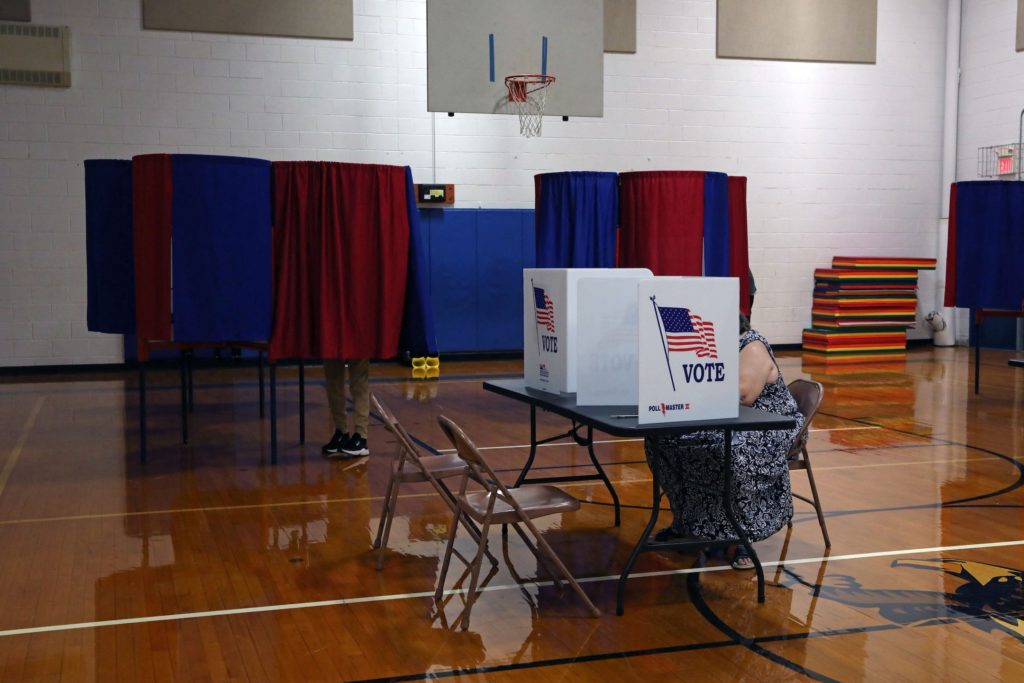
The political temperature is rising elsewhere too. In Brazil, the presidential campaign has taken a sharp turn as a pro-Lula advertisement accuses Donald Trump of seeking to "colonize" the country and plunder its resources, a blistering attack that frames the election as a battle for national sovereignty. The rhetoric is inflammatory, but it reflects a broader trend of foreign interference becoming a central campaign issue across the Americas. Meanwhile, the US Supreme Court has allowed an expansive federal database for voter screening to proceed, a decision that critics warn could lead to improper voter purges and privacy violations. These two stories, separated by thousands of miles, are bound by the same thread: the weaponization of information and the fragility of electoral trust.

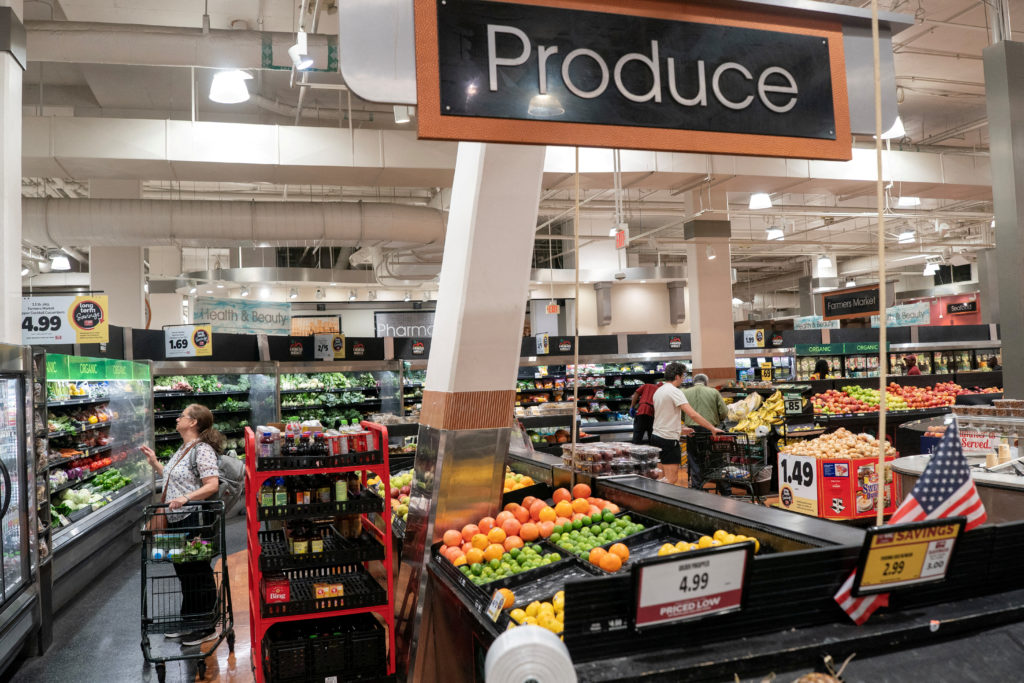
Closer to home, Europe is grappling with internal fractures. Poland is reeling from a knife attack that killed a priest and wounded four others, with the assailant's Ukrainian nationality inflaming tensions in a country already strained by the refugee crisis. The incident threatens to destabilize the delicate social compact that has held during the war in Ukraine. Across the Channel, Britain's food poverty crisis has reached a grim milestone, with citizens like 56-year-old Lowri Williams surviving on one meal a day. The cost-of-living squeeze is no longer an abstract economic indicator; it is a daily reality that is reshaping the social fabric and will undoubtedly dominate the next election cycle.

️

Hormuz de-escalation on the table

Iran's seven-day plan to reopen the Strait could ease oil price volatility, but the window for diplomacy is narrow.

️

Election integrity under siege

From Brazil's "colonization" ads to the US voter database ruling, foreign interference and data privacy are now central campaign battlegrounds.

⚔️

Poland's social fabric tested

The knife attack in Jaroslaw risks inflaming anti-refugee sentiment, threatening the EU's unity on Ukraine support.

️

UK food poverty deepens

With citizens skipping meals, the cost-of-living crisis is becoming a defining political liability for the government heading into elections.