The U.S. economy unexpectedly shed 23,000 jobs in July, a shocking miss that has Wall Street bracing for a potential Fed pause on rate hikes. The
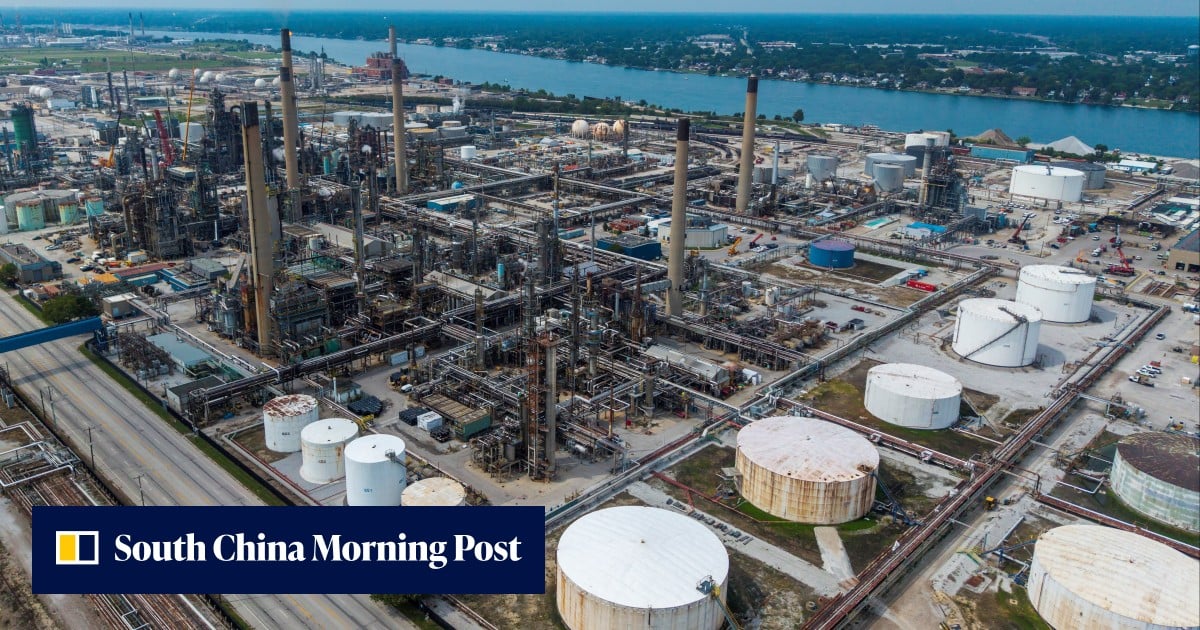
July employment report landed like a lead balloon, with economists calling it "pretty horrendous" and sending markets into a defensive crouch. The weakness stands in stark contrast to Canada, which added 75,000 jobs and saw unemployment hit a two-year low. With U.S. crude supplies also at a 45-year low and geopolitical tensions simmering, the domestic economic picture is suddenly a lot more fragile than most anticipated.
In tech and policy, the regulatory hammer is falling. A New Mexico judge ordered Meta to pay $567 million after ruling that Facebook and Instagram fueled a youth mental health crisis, a landmark
public nuisance verdict that could set a precedent for other states. Meanwhile, the backlash against mass surveillance is accelerating: at least 54 cities have voted to cancel or reject contracts with Flock, the
license plate reader company, as public skepticism hardens. And X is shaking up its creator payouts, replacing its revenue sharing program with an "Original Content Rewards Program" set to launch in September, effectively forcing existing creators to reapply.
The media and entertainment sector is absorbing a wave of disruption. Scripps reported a $1.2 billion net loss, mostly from a massive impairment charge tied to advertising weakness, and is now cutting 12% of staff while pivoting to an AI-driven streaming news model. Formula 1's revenue plunged 15% after three canceled races, leaving Liberty Media $244 million short. The layoffs continued at the Chattanooga Times Free Press and Walmart-backed gaming site Restart, while Trump moved to tilt the FCC further right by nominating a new Republican commissioner, prompting Senate Democrats to threaten a blockade. For investors and executives, the takeaway is clear: the cracks in the economy and the regulatory landscape are widening faster than expected.