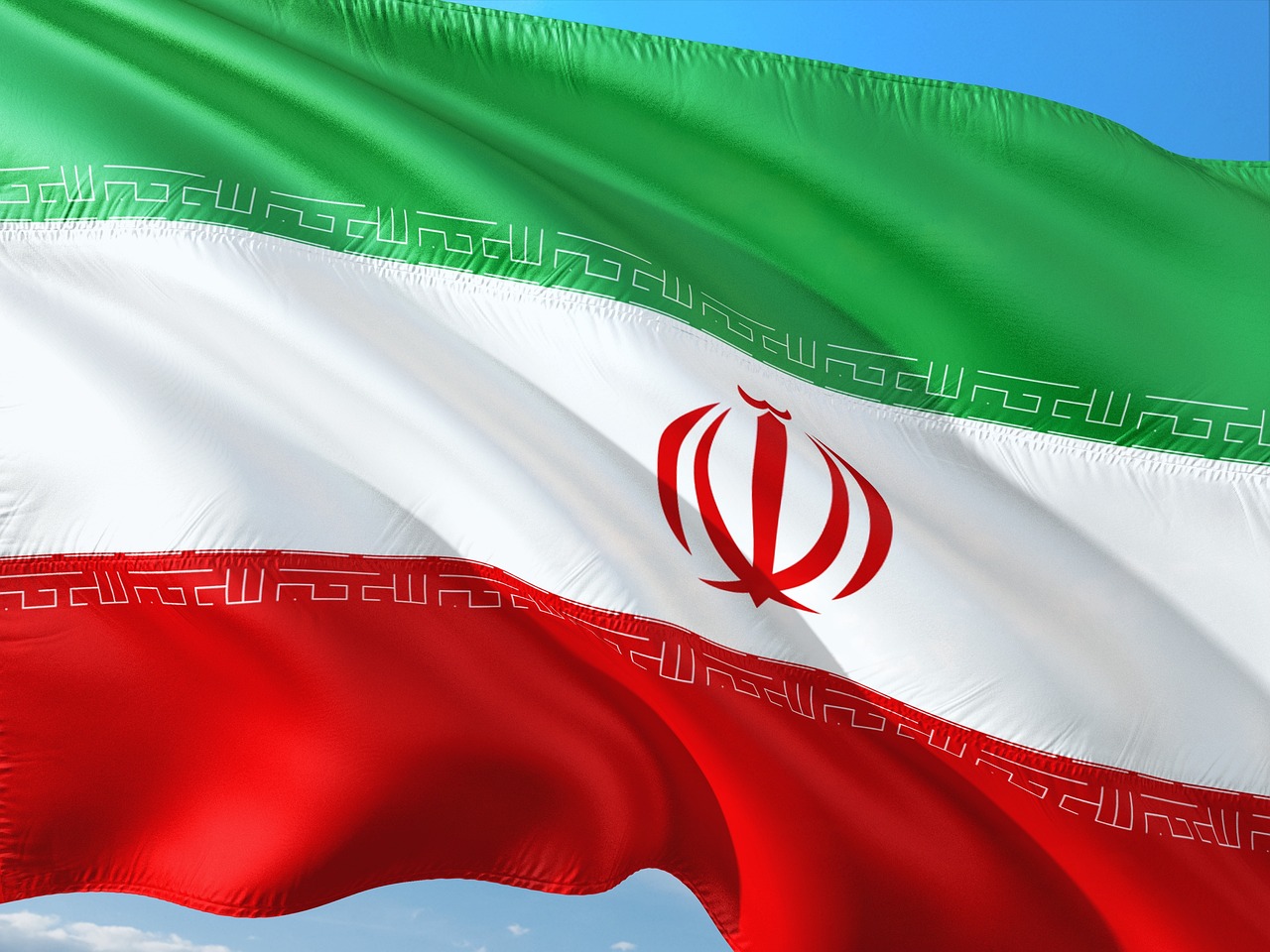
Thousands of state-sponsored propaganda tweets on the Iranian nuclear deal have been analysed using artificial intelligence by experts at the University of Portsmouth.
The findings show that natural language processing and machine learning tools can help analyse large-scale data and give insight into Iranian social media strategy.
Computing experts started with an initial dataset of over nine million tweets from nearly 6,000 accounts in 67 languages, which Twitter had identified as being linked to the Iranian state.
They filtered this dataset by language, date and key term, leaving over 24,000 tweets, which were then analysed for their sentiment and objectivity. Sentiment analysis is used to gauge opinions on a topic and determine emotional tone.
Lead author, Michael Barrows, who worked on the research while at the University of Portsmouth, said: “We found that the tweets had high objectivity scores, particularly for tweets labelled as sentimentally neutral. This supports the argument that Iran could be imitating legitimate news outlets in order to provide credibility to their propaganda view points. Given that social media platforms are opening their verification programmes to paying customers, the potential for influencing the discourse around various topics using objective language is significant."
The research investigated the potential to automatically label and detect whether tweets were positive, neutral or negative, using five machine learning algorithms.
Dr Ella Haig , Reader in Artificial Intelligence from the University’s School of Computing , said: “The number of people obtaining news updates through social media has increased, which means it’s being used to push narratives and propaganda that can influence discourse around various topics. Misinformation is a growing concern and it is increasingly difficult for users to differentiate between false and true information.
“There is a need for approaches that use automatic processes to support the detection and analysis of misinformation. Twitter might not be the ‘real world’, but it is nonetheless a significant phenomenon because of its out-sized influence on world events.”