A troubling pattern is emerging in Texas, where otherwise healthy young men are being diagnosed with chronic kidney disease of unknown origin (CKDu), a condition typically seen in agricultural workers in Central America. Doctors are racing to understand the cause, as cases appear concentrated in
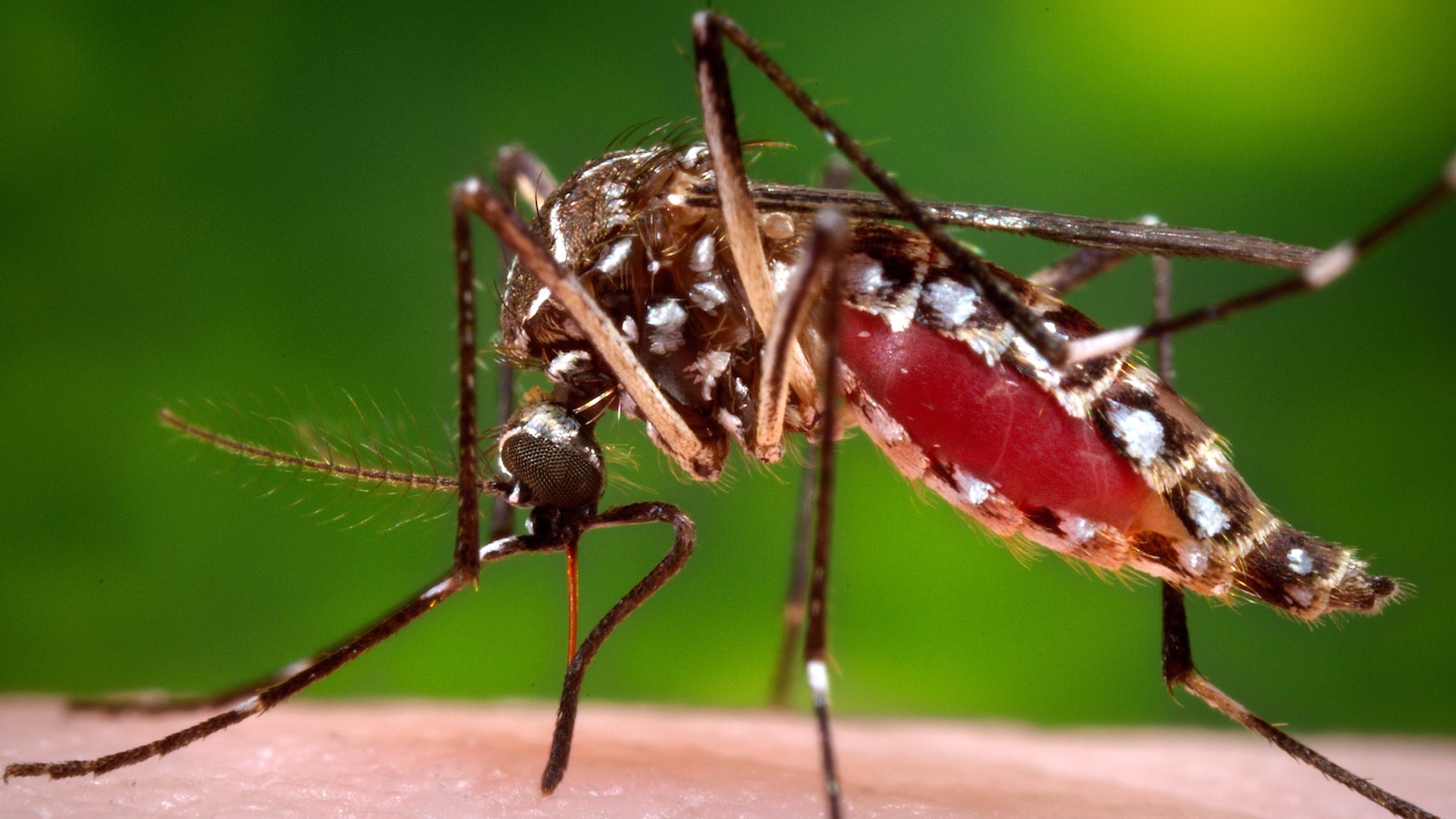
Hispanic communities. Meanwhile, Florida is grappling with its worst dengue fever surge in decades, and the state has now
confirmed its first death from the outbreak. On a more hopeful front, real-world data confirms that RSV vaccines are
highly effective in older adults, allaying earlier concerns that their potency might fade outside clinical trials.
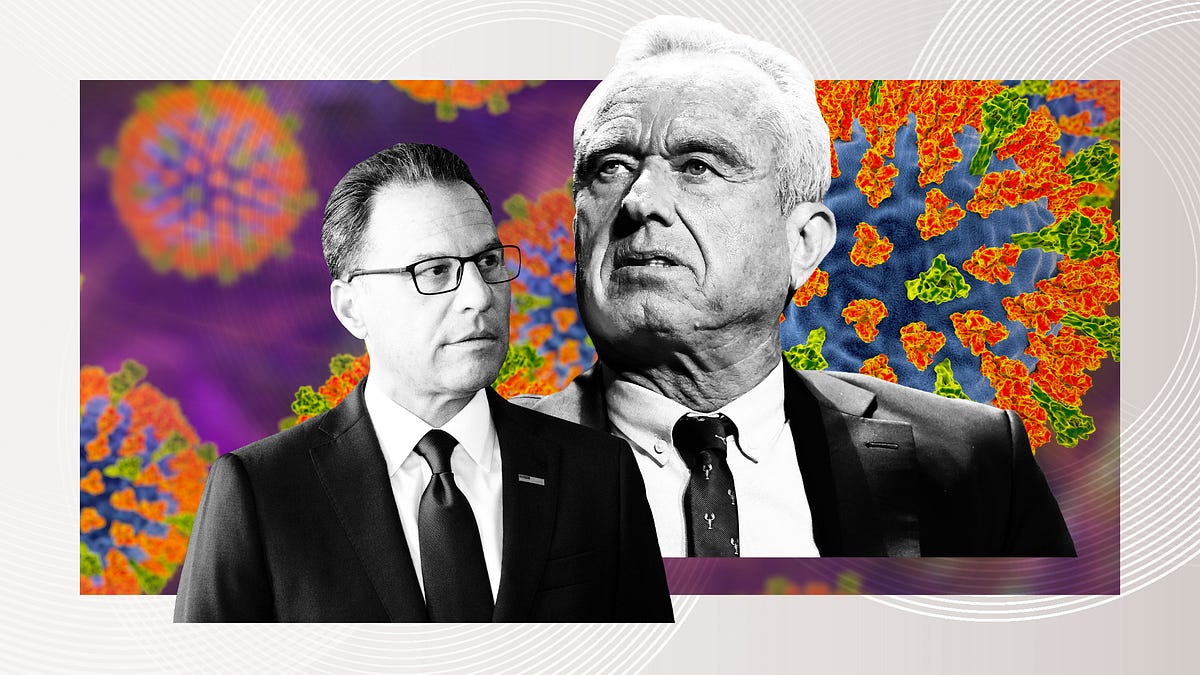
The pharmaceutical landscape is shifting quickly. Eli Lilly’s CEO revealed that a third of new GLP-1 pill patients are choosing Foundayo, signaling a major pivot toward oral obesity treatments as the company ramps up production. But the drug industry’s progress is shadowed by a potent ideological battle: Robert F. Kennedy Jr.’s “medical freedom” crusade is drawing sharp criticism for fueling vaccine hesitancy and contributing to preventable outbreaks, with a
damning analysis from The Bulwark pinning a rising body count to his movement. In a more mundane but immediate threat, the FDA recalled over 40 hand soap brands due to bacterial contamination that can enter through cuts or scrapes.
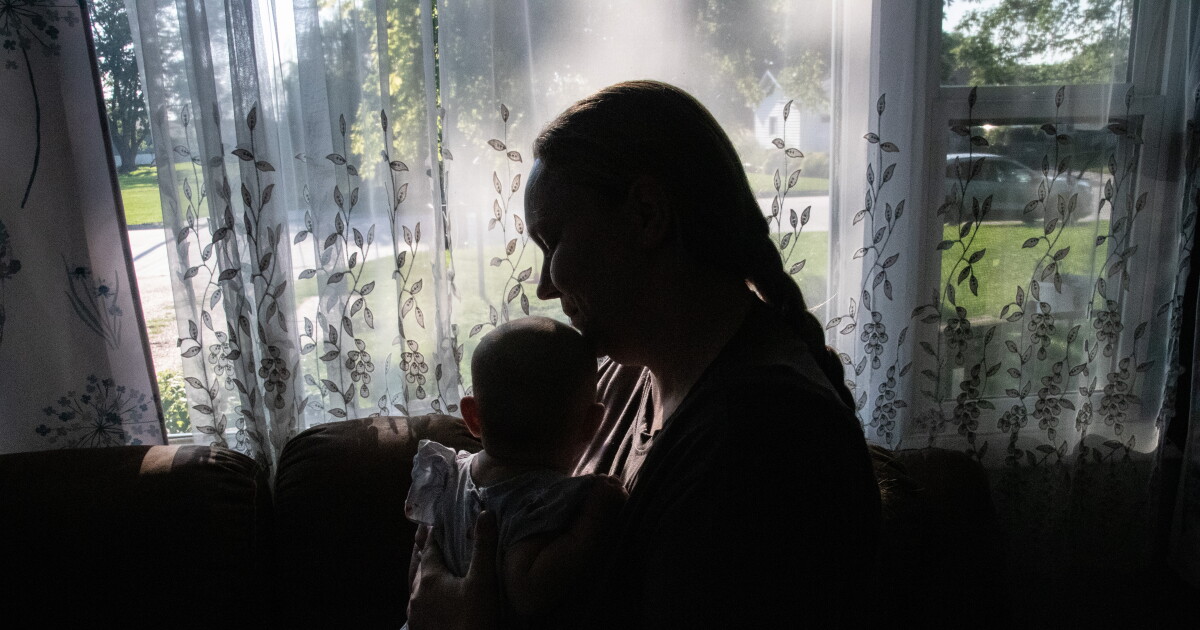
Broader trends show a widening spectrum of health choices and risks. More parents are opting for unassisted “free birth,” rejecting hospital care entirely, while children are increasingly turning to AI chatbots for mental health and wellness advice, raising questions about safety and oversight. And Europe’s health and fitness industry just posted a record year, with 75.5 million memberships, suggesting the global wellness boom is far from over. The bottom line: progress in vaccines and treatments is real, but new and old pathogens, regulatory lapses, and ideological pushback keep the public health landscape volatile.