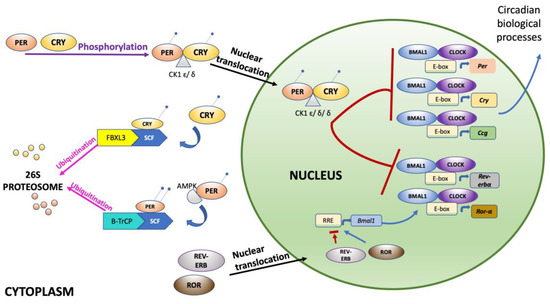
In recent decades, there has been a growing interest in the study of the GM, which is a complex and dynamic population of microorganisms living in the human gastrointestinal tract, and hence it is considered as an auxiliary “metabolic organ” [ 116 117 ]. The GM itself, or through interactions with the host, plays a crucial role in the preservation of the mucosal integrity of the intestinal epithelial barrier and in the digestion, metabolism, as well as in the regulation of many hormones’ levels [ 118 ]. The main bacterial phyla in healthy individuals are Bacteroidetes and Firmicutes [ 119 ]. The GM has a symbiotic relationship with the host [ 120 ]. Dietary regimes, food additives, prebiotic and probiotic supplements, food processing, and cooking choices can contribute to shaping the GM [ 121 122 ], thus influencing the related immune and metabolic response of the human host. On the other hand, a high-fat diet (HFD) affects the composition of the GM, leading to a drastic reduction in microbial diversity and the Firmicutes/Bacteroidetes ratio, as well as an increases in different bacteria from the Firmicutes phylum [ 123 124 ]. Emerging data also demonstrated that the disruption of the circadian system from the host can influence the composition of GM. On the other hand, the gut microbial community can regulate host circadian and metabolic homeostasis, also exhibiting diurnal oscillations [ 125 127 ]. Although this relationship remains to be clarified, a combination of circadian-clock-dependent and -clock-independent mechanisms has been proposed [ 10 ]. Thus, bacterial rhythms typically have a period of 24 h with variations of bacteria during light and dark periods regulated also by melatonin and temperature [ 128 129 ]. As proof of day/night rhythms in microbiome composition and metabolic activity, an increase primarily in Bacteroidetes, Verrucomicrobia, but also the opportunistic Enterobacteriaceae during the sleeping/fasting phases has been found, as opposed the Firmicutes peaks during the waking/eating phase which are diet-driven [ 130 ]. Several studies demonstrated that circadian disruptions in sleep, diet, and eating patterns impact the diurnal dynamics of GM structure and activity, which may be associated with host metabolic dysfunction and inflammatory pathways leading to an increased risk of metabolic syndrome [ 10 ]. Some recent studies have suggested that personalized diets may modify elevated postprandial blood glucose and its metabolic consequences. Zeevi et al. [ 130 ], using a machine learning algorithm which integrates multi-dimensional data (such as blood parameters, dietary habits, anthropometrics, physical activity, and GM), accurately predicted personalized postprandial glycemic response to real-life meals. Moreover, these authors demonstrated that personally tailored dietary interventions, based on these predictions, result not only in significantly improved postprandial (postmeal) glycemic responses, but they also report consistent alterations to the GM. Then, Berry et al. [ 131 ] developed a different machine learning model that predicted both triglyceride and glycemic responses to food intake. The authors observed inter-individual differences in postprandial metabolic responses to the same meals. The postprandial glycemic predictions were similar to those reported previously [ 130 ], although the analysis methods and input features are different. These interesting findings may be informative for the development of population-wide personalized nutrition as a potential strategy for disease prevention.
Chrono-Nutrition: Circadian Rhythm and Personalized Nutrition