Your support helps us to tell the story Read more Support Now From reproductive rights to climate change to Big Tech, The Independent is on the ground when the story is developing. Whether it's investigating the financials of Elon Musk's pro-Trump PAC or producing our latest documentary, 'The A Word', which shines a light on the American women fighting for reproductive rights, we know how important it is to parse out the facts from the messaging. At such a critical moment in US history, we need reporters on the ground. Your donation allows us to keep sending journalists to speak to both sides of the story. The Independent is trusted by Americans across the entire political spectrum. And unlike many other quality news outlets, we choose not to lock Americans out of our reporting and analysis with paywalls. We believe quality journalism should be available to everyone, paid for by those who can afford it. Your support makes all the difference. Read more
Britain’s biggest banks will begin following new rules designed to protect customers against their accounts being closed.
Under new ‘de-banking’ regulations announced by Labour, individual savers and small business owners will now be given at least 90 days' notice before closing their account or terminating a payment service. This is an increase from the two months currently required.
The rules will affect all new contracts from Tuesday. It will include major banks like Nationwide, NatWest, Lloyds and HSBC.
Banks will also need to give a clear explanation for why they have closed a customer's account, given in writing. The Treasury says this will give people greater power to challenge decisions through the Financial Ombudsman Service.
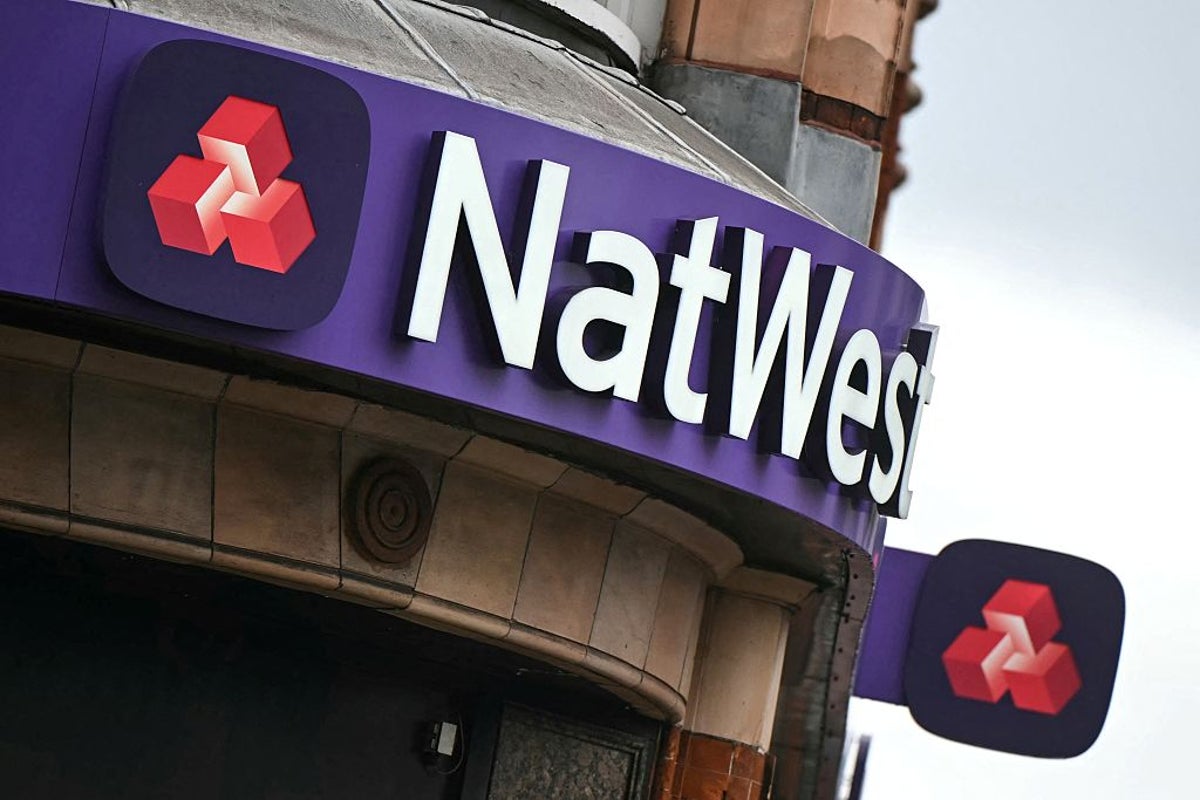
All banks will be subject to the new rules ( AFP/Getty )
Speaking when the rules were announced, economic secretary to the Treasury Emma Reynolds said: “Delivering economic security for working people is at the heart of our Plan for Change and strengthening protections against debanking will protect people’s and businesses’ access to banking services.
“Under the new rules, customers will receive more notice of account closures, be entitled to an explanation as to why their account has been closed and have more opportunity to challenge such decisions.”
The new regulations are designed to give customers more time to challenge a decision they disagree with, and to find a new bank if their account is closed.
Under current laws, the UK’s nine largest personal account providers are already required to offer basic personal bank accounts to people who legally reside in the country and do not have, or are not eligible for, an account.
Get a free fractional share worth up to £100.
Capital at risk. Terms and conditions apply. Go to website ADVERTISEMENT
Get a free fractional share worth up to £100.
Capital at risk. Terms and conditions apply. Go to website ADVERTISEMENT
The government says these changes will support existing customer protections, including rules which prohibit a bank from discriminating against a UK customer based on political opinions or beliefs when accessing a payment account.
Issues around ‘de-banking’ came to public attention in 2023 when Nigel Farage’s private bank account was closed by upmarket bank Coutts, owned by NatWest. The then-Reform leader obtained documents relating to the decision, which stated that his views were “at odds with our position as an inclusive organisation”.
Former NatWest chief executive Alison Rose resigned over the case after admitting to being the source of an inaccurate story about the politician’s finances, and the two parties later settled out of court in 2025.