Skip to main content
Skip to navigation
Skip to navigation
View image in fullscreen
Gardeners from the Royal Parks busy at work ahead of the garden’s public opening
Share
View image in fullscreen
The garden opened yesterday, in the same month of what what would have been the queen’s 100th birthday, on 21 April
Share
View image in fullscreen
A former water storage tower has swift nesting boxes and refuges for bats integrated into its new roof and brickwork
Share
View image in fullscreen
The garden’s team carried out a planting trial to see how different soil compositions affected plant growth and resilience, to ensure the new garden can thrive in a changing climate
Share
View image in fullscreen
When Matthew Halsall, the manager and landscape architect behind the project, began designing the garden three years ago, he saw the potential for the site to become a haven for biodiversity in London. ‘It’s right in the heart of Regent’s Park, surrounded by many different habitat types, and therefore an important project in terms of wildlife-habitat reclamation,’ he says
Share
View image in fullscreen
The garden is specifically designed for changes to the British climate, such as warmer, wetter winters and dryer, hotter summers. Interconnected channels, or swales, ensure rainwater flows slowly through the garden, reducing the need for irrigation and creating very wet habitats in winter, which then become partially dry in summer
Share
View image in fullscreen
Gardeners from the Royal Parks working in the garden in Regent’s Park’s inner circle. The garden covers two acres (8,000 sq metres)
Share
View image in fullscreen
Tulipa clusiana
‘Cynthia’, a two-tone tulip. The flowers chosen for the garden include many of the late queen’s favourites
Share
View image in fullscreen
Bees, ladybirds and butterflies are already thriving among the 200,000 spring bulbs planted in the garden, including these grape hyacinths
Share
View image in fullscreen
Tulipa linifolia
are also thriving in the garden
Share
View image in fullscreen
A large ornamental pond of naturally filtered water provides a new aquatic habitat for plants, insects and amphibians
Share
View image in fullscreen
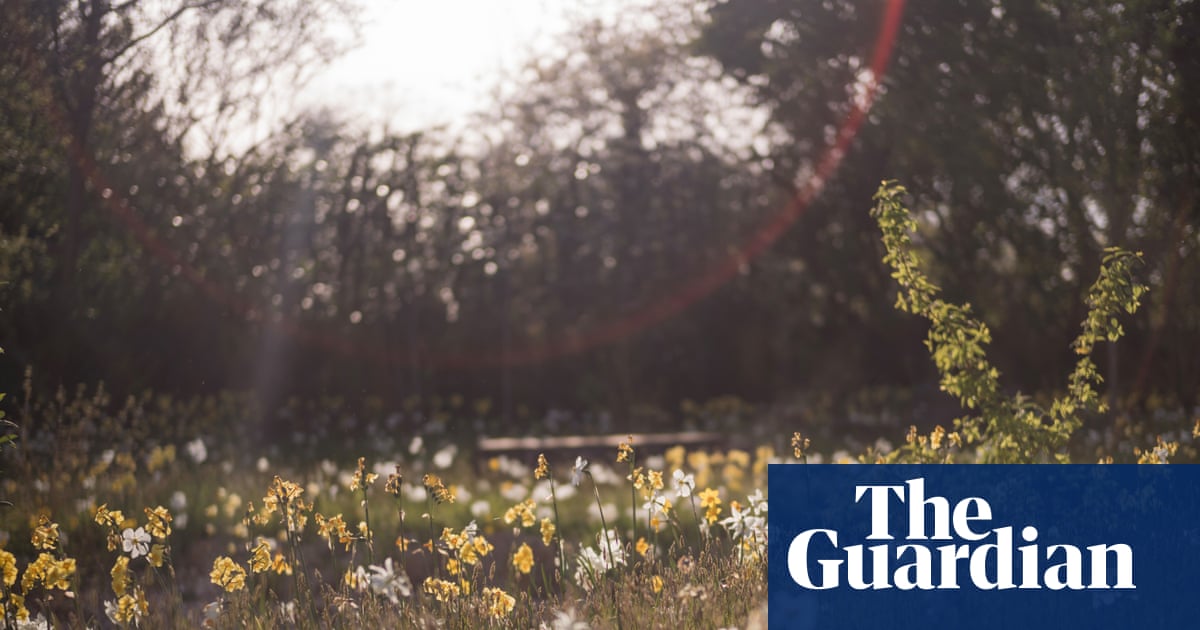
The garden includes more than 40 new trees, about 2,000 sq metres of wildflower meadow, more than 5,000 sq metres of climate-resilient plants and an extra 100 metres of native mixed hedgerow
Share
View image in fullscreen
Different habitats mean visitors walk through a more formally designed landscape towards a wildflower meadow
Share
Explore more on these topics
London
The age of extinction
England
Gardens
Biodiversity
Queen Elizabeth II
Conservation
Most viewed
Most viewed
A new haven for wildlife: London’s Queen Elizabeth II garden opens to the public – in pictures