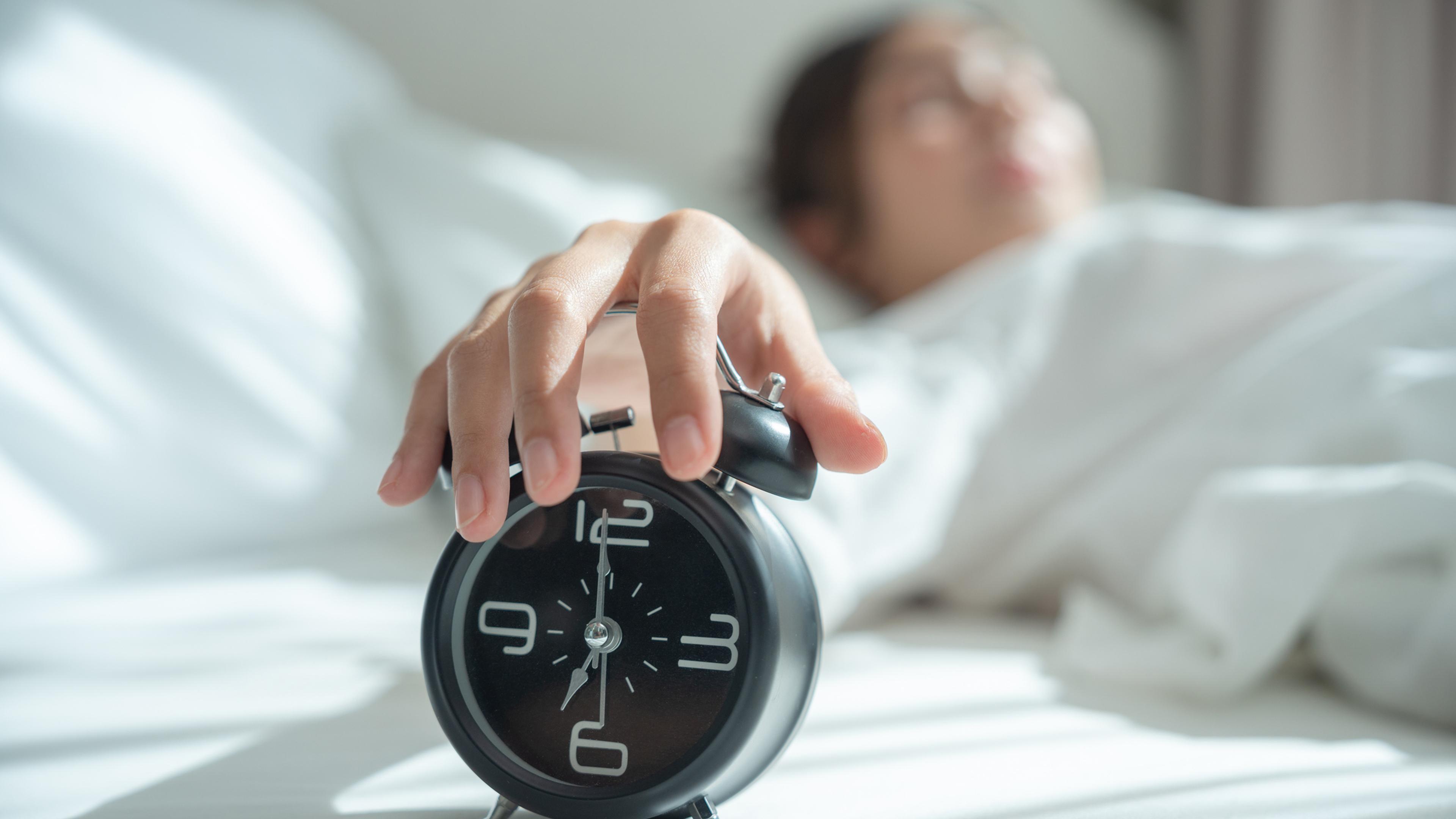
Some sleep specialists say that undiagnosed sleep disorders—especially obstructive sleep apnea—can mimic or worsen ADHD symptoms , especially in kids. Not getting enough sleep can trigger or exacerbate problems with attention, behavior, and impulse control, says Dr. Alice Hoagland, director of Rochester Regional Health’s sleep disorder clinic. In many cases, she says, a tonsillectomy resolves a child’s apnea, and the ADHD symptoms vanish with it.
The same dynamic can play out in adults: Nearly 80% of adults with ADHD have a delayed circadian rhythm, which means their internal clocks are shifted later than average, making it hard to fall asleep until late at night. “They stay up until 1 or 2 in the morning,” Hoagland says. “They attribute staying awake to their ADHD—but in point of fact, these people are simply not sleepy.” When work forces them up at 6 or 7 a.m., they become chronically sleep deprived, with symptoms indistinguishable from ADHD. There’s even a genetic component: A mutation on a gene called CRY1 is associated with inherited delayed sleep phase—meaning for some people, the most effective fix isn’t medication, it’s restructuring their schedule to match their biology.