Your support helps us to tell the story Read more Support Now From reproductive rights to climate change to Big Tech, The Independent is on the ground when the story is developing. Whether it's investigating the financials of Elon Musk's pro-Trump PAC or producing our latest documentary, 'The A Word', which shines a light on the American women fighting for reproductive rights, we know how important it is to parse out the facts from the messaging. At such a critical moment in US history, we need reporters on the ground. Your donation allows us to keep sending journalists to speak to both sides of the story. The Independent is trusted by Americans across the entire political spectrum. And unlike many other quality news outlets, we choose not to lock Americans out of our reporting and analysis with paywalls. We believe quality journalism should be available to everyone, paid for by those who can afford it. Your support makes all the difference. Read more
The Government intends to put forward its proposals to restrict social media for under-16s by the summer – with plans to legislate before the end of the year, the Technology Secretary has said.
Liz Kendall told the Press Association that “it’s not a question of whether we act, but how” when it comes to controlling the content under-16s are exposed to online, and the length of time they spend staring at screens.
It comes after the Government said late on Monday it will introduce “age or functionality restrictions” on social media for under-16s.
The consultation on access to social media for young people, which is still open, floats a range of measures such as age restrictions and curfews.
As well as looking at the age of access to social media, it also examines whether there should be age restrictions on things like doom-scrolling, Ms Kendall said.
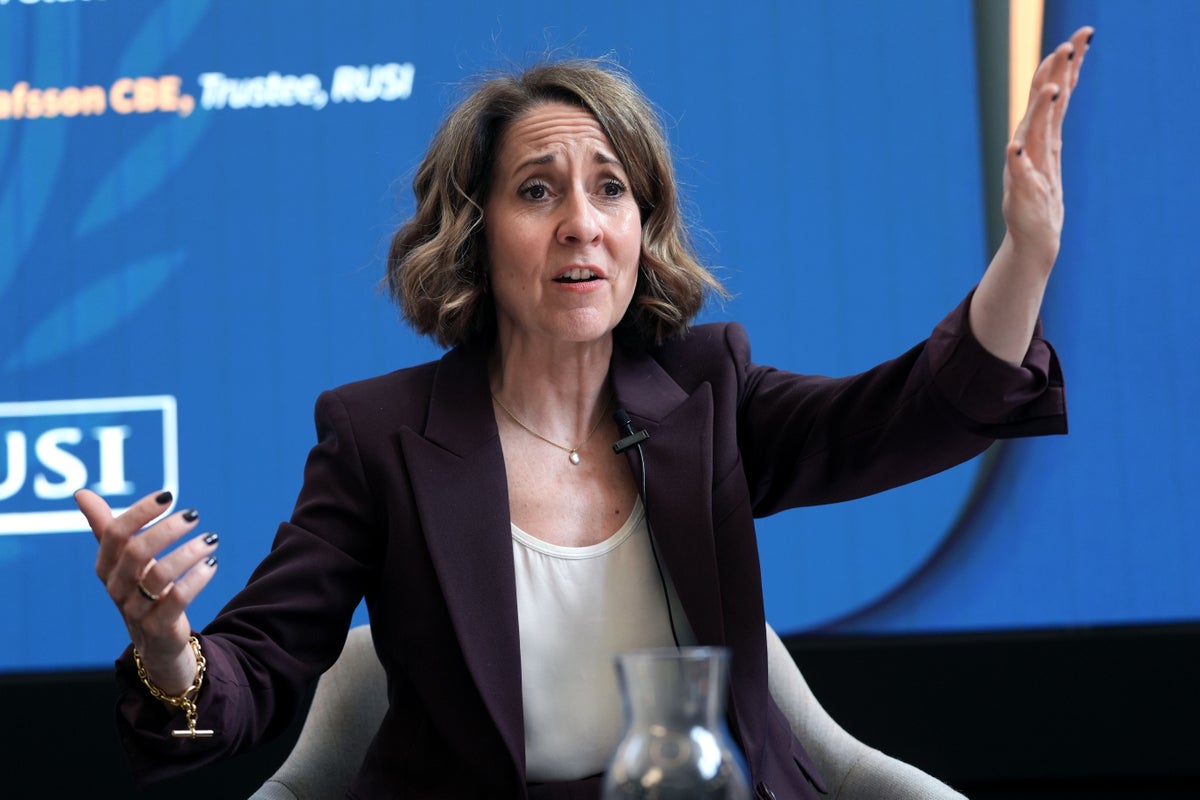
Speaking after her speech on AI sovereignty at the Royal United Services Institute (Rusi) in central London, Ms Kendall said: “I intend to come forward with our proposals before the summer, and I would like to legislate by the end of the year.”
“The consultation, I believe, is one of the broadest of any country,” she added.
“It not only looks at whether there should be age restrictions on accessing social media, but whether there should be age restrictions on features and functions like the endless doom-scrolling or curfews overnight.
“It’s never been a question of if we act, it’s when, and that I think is something that hasn’t been recognised about the breadth of the consultation.”
There have been widespread calls for an Australian-style ban on children’s use of social media, although there have been questions about how effective that prohibition has been.
On Tuesday, the mother of murdered teenager Brianna Ghey told MPs on the Education Select Committee the UK can learn from Australia and do a better job in banning under-16s from social media.
Esther Ghey, whose 16-year-old daughter was murdered by two teenagers in 2023, said she thought Australia’s ban had been successful in some ways, though we needed to wait a bit longer to see the full success.
“But I think that it doesn’t mean that we have to delay, and I think that we could do it better,” she said.
“I think there’s already things to learn from there, and I think that the UK can do a better job, because we’ve got the hindsight to learn from.”
Peers have voted four times to press the Commons into accepting a social media ban.
Education minister Olivia Bailey told MPs on Monday night the Government had listened to concerns, and would impose some form of restrictions for children under 16.
Education Secretary Bridget Phillipson told Sky News on Tuesday morning the Government will “absolutely” act on addictive features.
“But if we’re to take action, and we will, then we need to get it right. I don’t want to be coming back here in year or two’s time saying ‘actually what we’ve put forward hasn’t been effective and we need to look again at this’,” she said.
“We need to design something that stands the test of time, that commands the confidence of parents and campaigners and genuinely works.”
The concession by the Government came after pressure from the House of Lords over the issue, led by Tory former education minister and academy chain founder Lord Nash.
Lord Nash described the Government’s concession as “a huge step forward for our children’s safety online”.
He added: “We will now all turn our attention – together – to making sure this is implemented as soon as possible in the best way to protect our children.
“Thank you to my colleagues in the Lords who voted four times to ensure that this happened. But above all, I want to thank the bereaved parents I have campaigned alongside.
“They didn’t have to do this. They did it so that no other family would have to live through what they have lived through, and they have ensured that as a result every child in the country will be safer because of their work. I thank them for it.”
A fortnight ago, Sir Keir Starmer told tech bosses from X, Meta, Snap, TikTok and Google – which owns YouTube – that changes were urgently needed.