Your support helps us to tell the story Read more Support Now From reproductive rights to climate change to Big Tech, The Independent is on the ground when the story is developing. Whether it's investigating the financials of Elon Musk's pro-Trump PAC or producing our latest documentary, 'The A Word', which shines a light on the American women fighting for reproductive rights, we know how important it is to parse out the facts from the messaging. At such a critical moment in US history, we need reporters on the ground. Your donation allows us to keep sending journalists to speak to both sides of the story. The Independent is trusted by Americans across the entire political spectrum. And unlike many other quality news outlets, we choose not to lock Americans out of our reporting and analysis with paywalls. We believe quality journalism should be available to everyone, paid for by those who can afford it. Your support makes all the difference. Read more
Iran's top security body has approved a temporary scheme allowing businesses limited access to the global internet, a government spokesperson confirmed Tuesday.
The move follows widespread internet blackouts imposed since the conflict with the U.S. and Israel began, severely curtailing public access for two months.
For 60 days, most Iranians have been cut off from the worldwide web, NetBlocks reports. Only a few bypass restrictions, typically via expensive VPNs.
Government spokesperson Fatemeh Mohajerani stated: "The Supreme National Security Council approved the 'Internet Pro' scheme to preserve businesses during times of crisis."
She did not specify when these measures were implemented.
"Once the situation is announced to be normal by relevant authorities, the situation of the internet will also change," she added, emphasizing the government's receptiveness to public demands and its belief in internet access as a civil right.
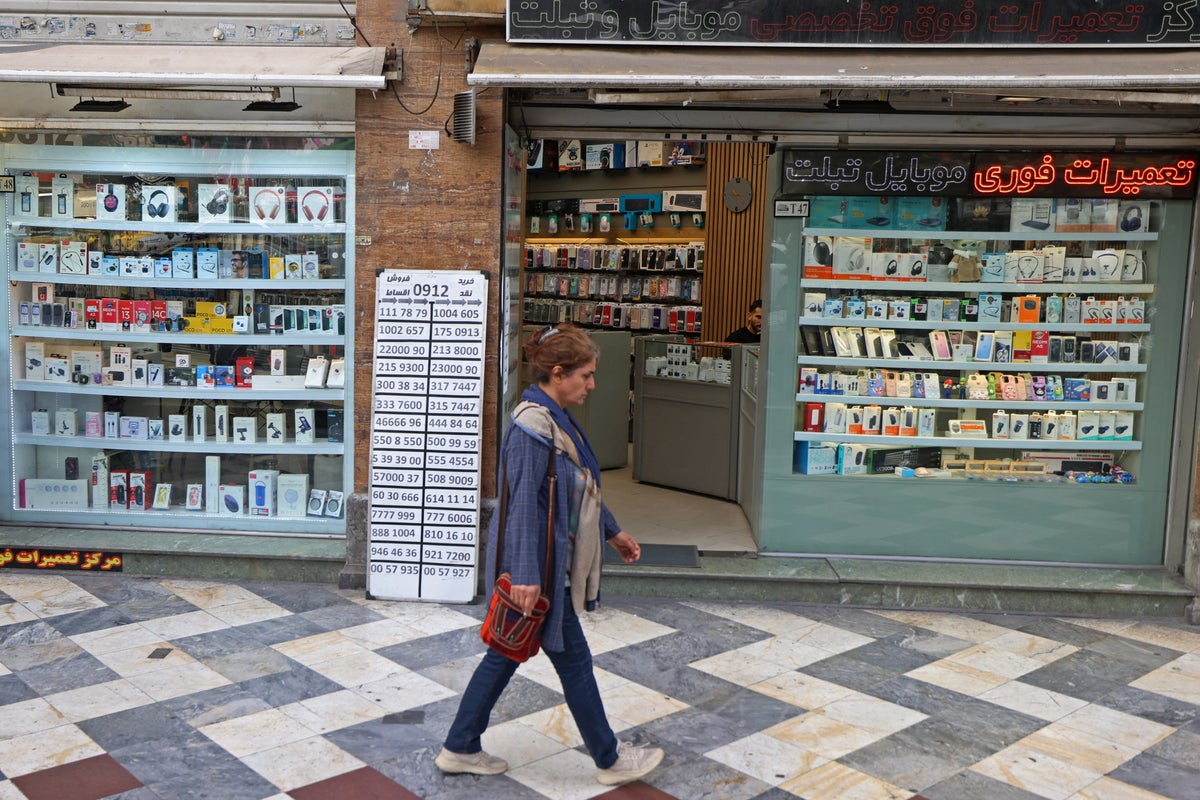
A new internet blackout was imposed soon after the US and Israel attacked Iran on February 28 ( AFP via Getty Images )
The current internet disruption follows an initial blackout from 8 January, in response to nationwide anti-government protests. While connections gradually normalised in February, a new shutdown began on 28 February, coinciding with U.S. and Israeli strikes against Iran.
Even ordinarily, global internet access is heavily restricted by censorship, with authorities promoting an intranet for services, particularly for schools online.
The "Internet Pro" scheme highlights a delicate balancing act for Iranian authorities. While they maintain restrictions are essential for national security during the conflict, they face mounting economic disruption and public frustration, as millions rely on stable internet for livelihoods and daily activities.
Internet outages in Iran are inflicting heavy economic damage, with daily losses estimated at $30 million to $40 million in direct costs and up to $80 million including indirect effects, according to Afshin Kolahi, head of the Iran Chamber of Commerce’s knowledge-based economy commission, as cited by local media. Reuters could not independently verify these figures.
More broadly, the past two months have seen many Iranians lose jobs, with prices surging across a country already suffering damage to factories, energy infrastructure, and transport links. These disruptions impact numerous sectors beyond the digital economy, threatening incomes and employment for workers, particularly freelancers and small businesses dependent on online operations.
Intended solely as a temporary crisis response for businesses, the "Internet Pro" scheme has already faced challenges. State media reported Monday that the country's telecommunications regulator indicated some operators had violated the framework, with investigations underway.