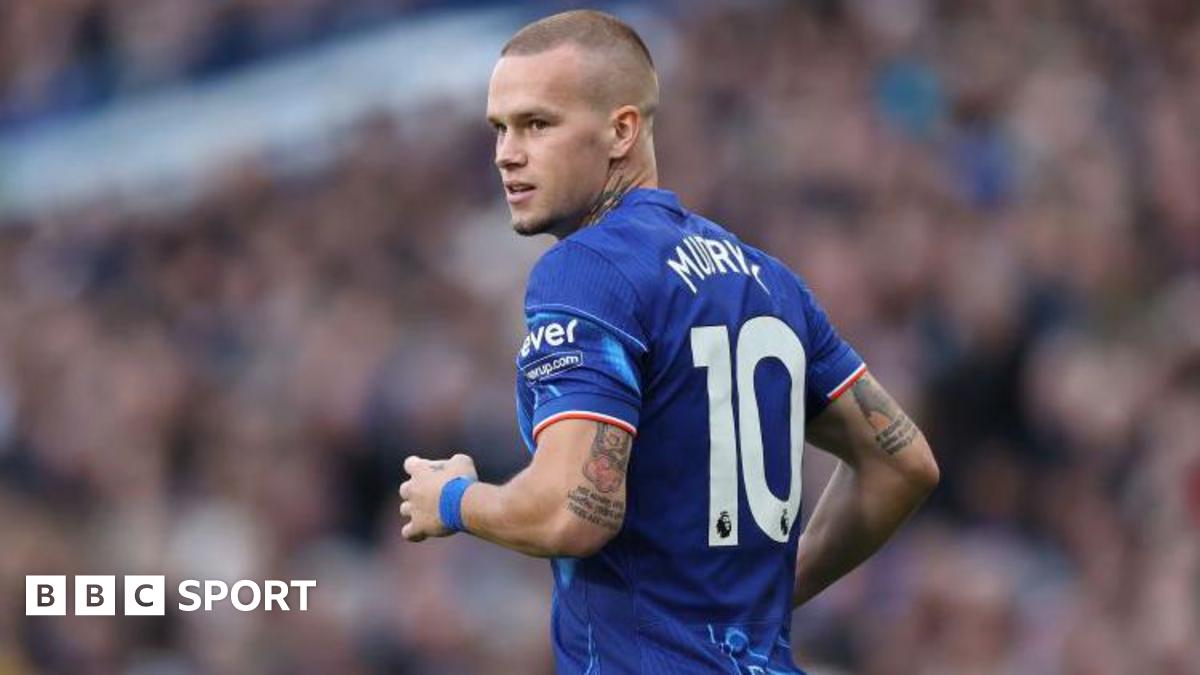
BBC Sport has been told Mudryk was banned by the FA in January but that only a close-knit group of people around him and a small number of people at Chelsea were informed.
That is because the FA's anti-doping programme is deemed strictly confidential - all parts of the process, from testing to discussions with lawyers, are carried out behind closed doors in order to respect the privacy of footballers.
UK Anti-Doping (Ukad) works in collaboration with the FA on the programme.
In many other sports, provisional bans for positive tests are announced publicly.
In its privacy policy for anti-doping, the FA says: "We will process sensitive personal data in carrying out processing. We do this for the purposes of eliminating doping in sport and protecting the integrity of the game.
"Data may be shared with a number of third parties. As well as sharing data with Ukad, information may be shared with the police where there is evidence of criminal conduct, with Uefa and Fifa and any other relevant event organisers and international federations with doping responsibility, as well as the World Anti-Doping Agency.
"Information about testing and outcomes may also be shared with your club."
Cases often only become public knowledge when a player has been absent from their team's playing squad for a period of time without proper explanation.
Outcomes and punishments are usually officially made public once the process has concluded but this may be delayed until any appeals have also been exhausted.