The National Child Protection Authority has warned that corporal punishment continues to cause serious harm to children, revealing that it receives between 2,000 and 2,500 complaints of physical violence against children each year — averaging between five and seven complaints a day.
Issuing a statement to mark the International Day to End Corporal Punishment on April 30, the NCPA said both short-term and long-term physical and psychological punishment could severely affect a child’s personality development and emotional wellbeing.
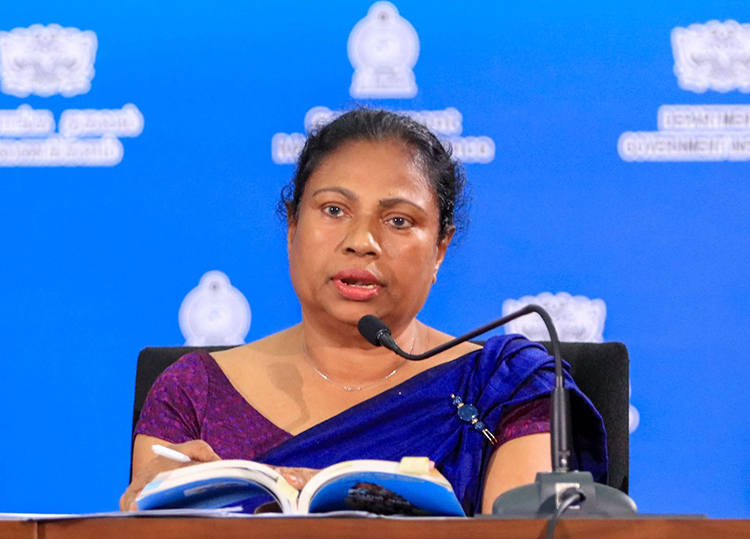
NCPA Chairperson Preethi Inoka Ranasinghe said research had consistently demonstrated the damaging effects of corporal punishment used in disciplining children.
“For decades, parents, elders and teachers have used various forms of physical punishment to discipline children, making it a socially and culturally accepted practice both at home and in schools,” she said.
The Authority stressed that corporal punishment constitutes physical abuse and should not be used under any circumstances.
According to the NCPA, complaints relating to physical violence remain the second highest category of complaints received annually by the institution, with between 2,000 and 2,500 incidents reported each year.
Based on those figures, the Authority receives approximately 5.5 to 6.8 complaints of child physical violence every day.
The NCPA further noted that under Article 19 of the United Nations Convention on the Rights of the Child, children are entitled to protection from all forms of abuse and neglect, an obligation binding on Sri Lanka since 1990.
The Authority also pointed to Article 11 of the 1978 Constitution, which guarantees freedom from cruel, inhuman or degrading treatment, as well as provisions under Section 308(A) of the Penal Code and Education Ministry circulars prohibiting physical and psychological punishment in schools.
The NCPA urged parents, teachers and caregivers to adopt non-violent disciplinary methods and to prioritise the safety and mental wellbeing of children.