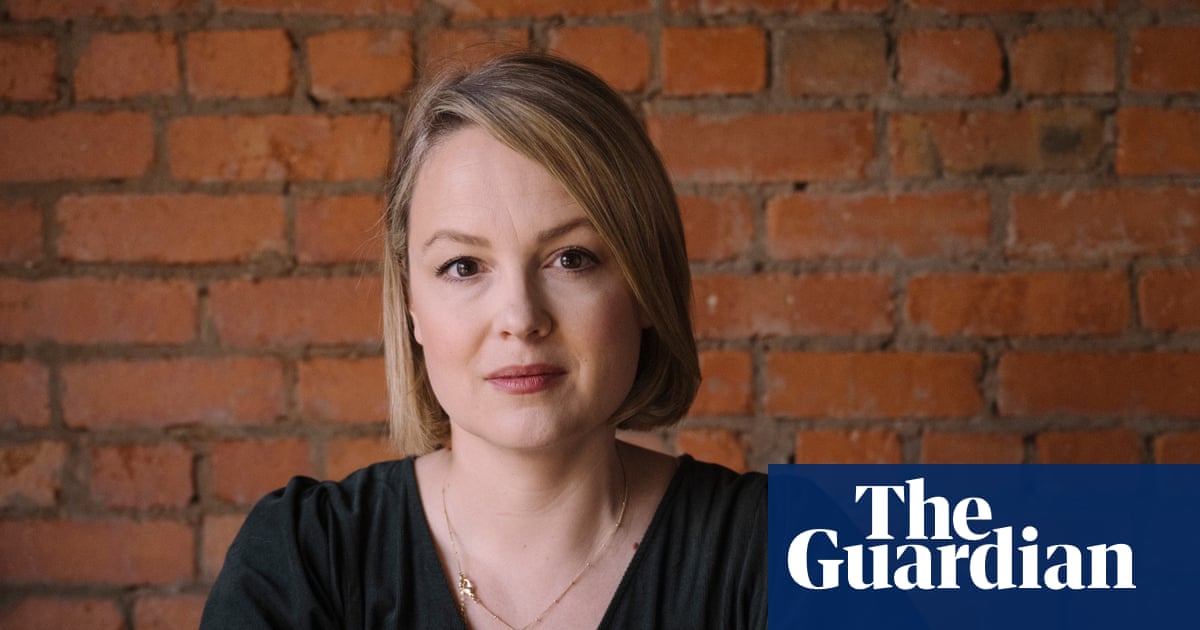
The actor Kimberley Nixon, who suffered from perinatal OCD after the birth of her son.
Photograph: Francesca Jones/The Guardian
View image in fullscreen
The actor Kimberley Nixon, who suffered from perinatal OCD after the birth of her son.
Photograph: Francesca Jones/The Guardian
Letters
Women with perinatal OCD are still being failed
Screening at the six-week check and signposting to services could prevent suffering and save lives, write
Fiona Challacombe, Diana Wilson and Maria Bavetta
We were glad that the story of Kimberley Nixon was highlighted in your article and commend her openness about the devastating nature of perinatal OCD (
‘This is so taboo’: Kimberley Nixon on the hell of perinatal OCD – and how she survived it, 28 April
). Experiencing vivid unwanted intrusive thoughts, images and urges of accidentally or deliberately harming your infant can be hugely distressing, isolating and often misunderstood. Intrusions and compulsions can take, or indeed steal, hours a day, and can make women feel as if they are the worst mothers possible.
In severe cases, women can feel that ending their lives is the only course of action. We have been activists and researchers in perinatal OCD for 20 years and are aware of the issues of lack of recognition, misdiagnosis, inappropriate safeguarding procedures being activated and difficulties in accessing effective therapy.
We must not ignore the long-term suffering, and the impact of missed diagnoses and inopportune signposting to services. While progress has been made since the expansion of perinatal mental health services in 2014, Kimberley’s difficulty in accessing timely evidence-based intervention is still not exceptional.
Given that potentially
7% of women are affected in the postpartum period
, screening for OCD at the six-week check and signposting to services could prevent unnecessary suffering.
Fiona Challacombe
Associate professor of clinical psychology, University of Oxford; patron, Maternal OCD
Diana Wilson and Maria Bavetta
Co-founders, Maternal OCD
In the UK and Ireland,
Samaritans
can be contacted on freephone 116 123, or email
jo@samaritans.org
or
jo@samaritans.ie
. In the US, you can call or text the
988 Suicide & Crisis Lifeline
at 988 or chat at
988lifeline.org
. In Australia, the crisis support service
Lifeline
is 13 11 14. Other international helplines can be found at
befrienders.org
Explore more on these topics
Pregnancy
Parents and parenting
Mental health
Health
NHS
Childbirth
letters
Share
Reuse this content
Women with perinatal OCD are still being failed | Letter