Your support helps us to tell the story Read more Support Now From reproductive rights to climate change to Big Tech, The Independent is on the ground when the story is developing. Whether it's investigating the financials of Elon Musk's pro-Trump PAC or producing our latest documentary, 'The A Word', which shines a light on the American women fighting for reproductive rights, we know how important it is to parse out the facts from the messaging. At such a critical moment in US history, we need reporters on the ground. Your donation allows us to keep sending journalists to speak to both sides of the story. The Independent is trusted by Americans across the entire political spectrum. And unlike many other quality news outlets, we choose not to lock Americans out of our reporting and analysis with paywalls. We believe quality journalism should be available to everyone, paid for by those who can afford it. Your support makes all the difference. Read more
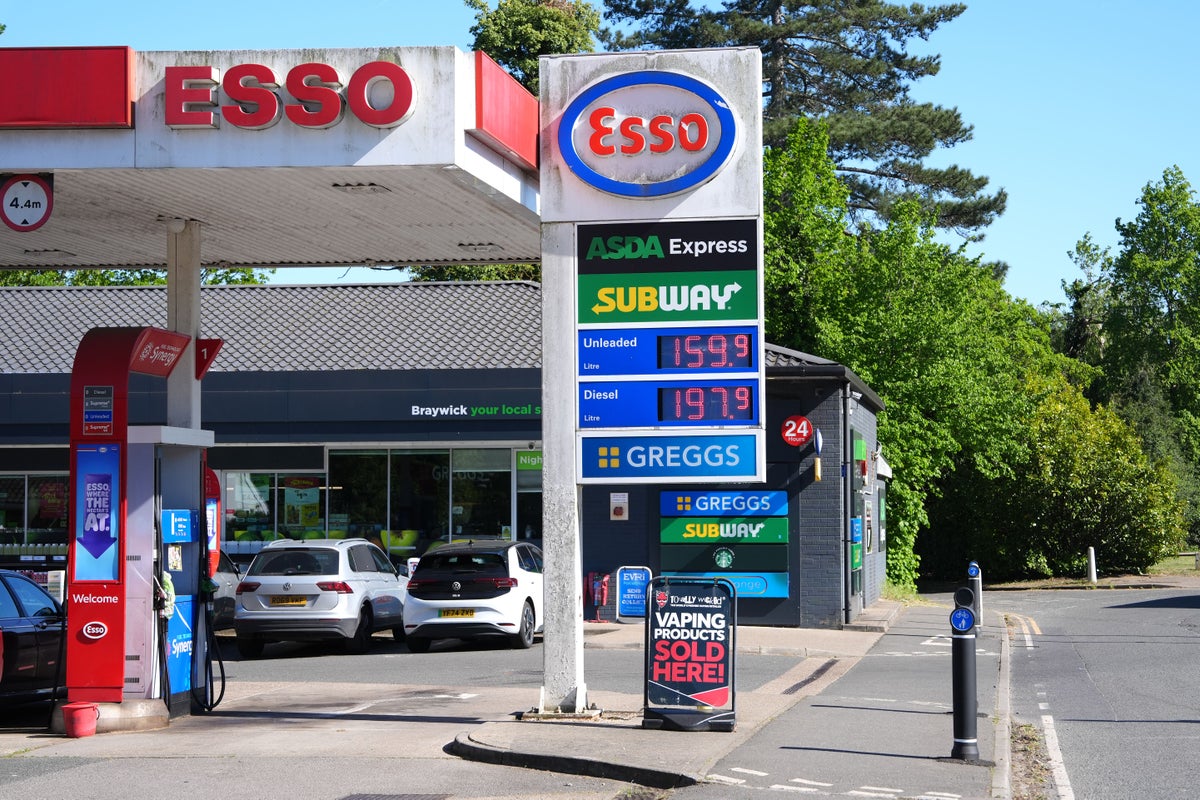
Soaring fuel prices amid the conflict in the Middle East are being driven by the higher cost of oil rather than retailers increasing margins, an investigation has found.
The Competition and Markets Authority (CMA) said the difference between the price retailers pay for fuel and the price they sell it at – known as fuel margins – have been “broadly unchanged” since the start of the war on February 28.
The watchdog did discover increased fuel margins in March “for a minority of retailers” and committed to investigate these.
It also noted that fuel margins in March were close to or equal the average of 107p per litre seen last year, which shows they remain at “historically high levels” reflecting “ongoing concern about a lack of competitive pressure”.
Oil prices – which have a significant effect on the cost of wholesale fuel – hit their highest level since 2022 on Thursday amid reports US President Donald Trump could escalate the Iran war.
The cost of a barrel of Brent crude soared past 126 dollars (£94) at one stage, before dropping back.
Iran’s restrictions on tankers passing through the Strait of Hormuz means the average price of a litre of petrol and diesel at UK forecourts is 24p and 47p respectively more expensive than before the conflict started.
The CMA said “significant local price variations” mean there are potential savings of up to £9 for a tank of petrol or diesel “if drivers shop around”.
Sarah Cardell, chief executive at the CMA, said: “The conflict in the Middle East has driven sharp increases in road fuel prices, putting real pressure on households and businesses across the UK.
“The CMA’s job is to ensure these rises reflect genuine cost pressures – especially given our previous work showing competition among fuel retailers isn’t as strong as it should be.
“That’s why we’ve stepped up our monitoring. This scrutiny is working: on average, retailer fuel margins did not increase.
“We will remain vigilant to ensure any fall in costs is passed on quickly to motorists.”
Minister for energy consumers Martin McCluskey said: “We welcome the CMA’s report, which shows most retailers have avoided boosting their margins and acted responsibly.
“However, there are some that haven’t. We fully support the CMA in asking questions of those and, alongside them, will hold them to account.
“Fuel Finder will drive competition up and costs at the pump down by forcing all petrol stations to share their prices, and from today the CMA will use its powers to take action against the few remaining petrol stations not yet part of the scheme.”
AA fuel price spokesman Luke Bosdet said: “There may be no evidence of price gouging following the oil price shock in March, but the UK has a situation now where the wholesale cost of diesel has plummeted more than 10p a litre since early April but pump prices are down by just 2p.
“There is as much as a 20p gap between the price of petrol on motorways as opposed to major A-roads.
“Maybe not price gouging, but ‘rocket and feather’ and the pump price postcode lottery are as strong as ever.
“The competition watchdog still has a lot of work to do.”