30 minutes ago
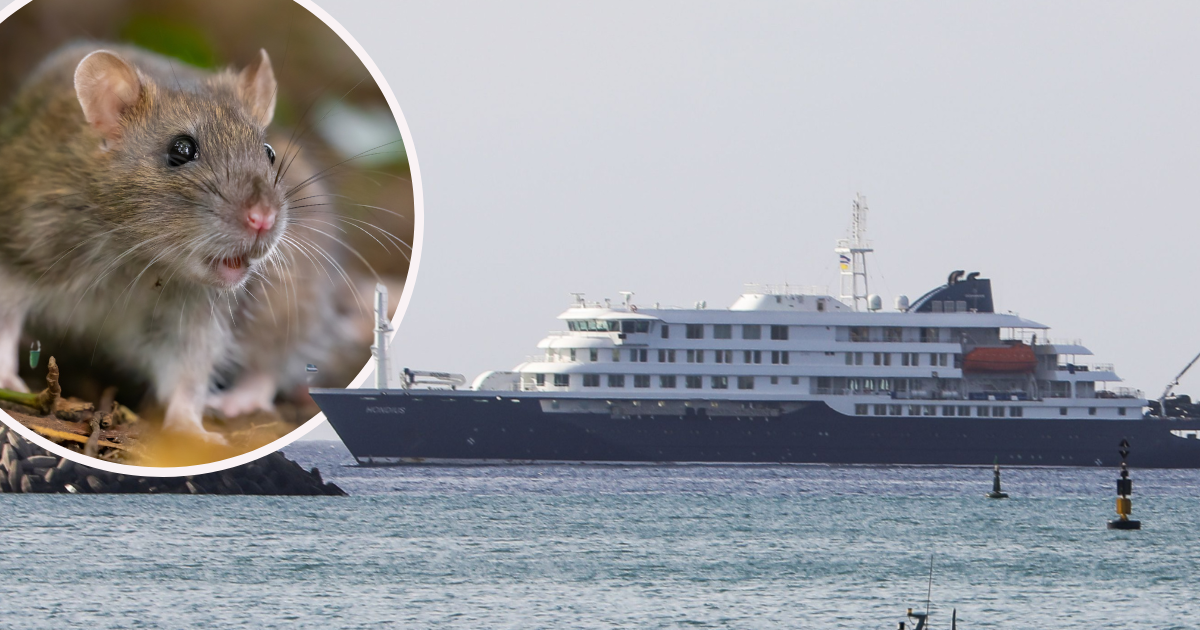
In the last few days, news has emerged of a hantavirus outbreak on the MV Hondius cruise ship. Three people have now died, and another has been left seriously ill in a suspected outbreak onboard the cruise ship crossing the Atlantic Ocean.
Experts have said the virus has two likely causes. Hantavirus is usually spread from rodents via their faeces, saliva or urine. It can then cause severe respiratory illness. It is rarely transmitted between people. However, the World Health Organisation (WHO) has insisted no rodents have been found on the ship.
One strain of hantavirus spreads differently, and it has been said this option cannot be ruled out. “The Andes virus — that one specific subtype of the hantavirus — in Argentina, where they were, is the one that’s transmitted person-to-person,” physician Zaid Fadul told New York Post. “And that’s where a lot of anxiety in this case is coming from.”
According to the publication, the Andes hantavirus strain carries a mortality rate of nearly 40 per cent, which would mean a worst-case scenario could become deadly in an 80-cabin, 353-foot ship. “And that’s why everyone is so scared,” the doctor explained.
Dr Maria van Kerkhove, WHO’s epidemic and pandemic preparedness and prevention director, told The BBC the plan was for a “proper risk assessment” to be carried out there with all passengers who remain on board. Though human-to-human transmission of the virus is rare, van Kerkhove said some could have taken place between close contacts sharing cabins.
“Our working hypothesis is that there’s probably a couple of different types of transmission that might be happening,” van Kerkove said. “We do believe that there may be some human-to-human transmission that is happening among the really close contacts.”
An exact cause of the virus has not been confirmed, and the cause of the deaths are still be investigated. WHO’s regional director for Europe, Dr Hans Henri P Kluge said that “hantavirus infections are uncommon”.
He added: “While severe in some cases, it is not easily transmitted between people. The risk to the wider public remains low. There is no need for panic or travel restrictions.”
For more like this, like The Tab on Facebook. Featured image (before edits) via ELTON MONTEIRO/EPA/Shutterstock.