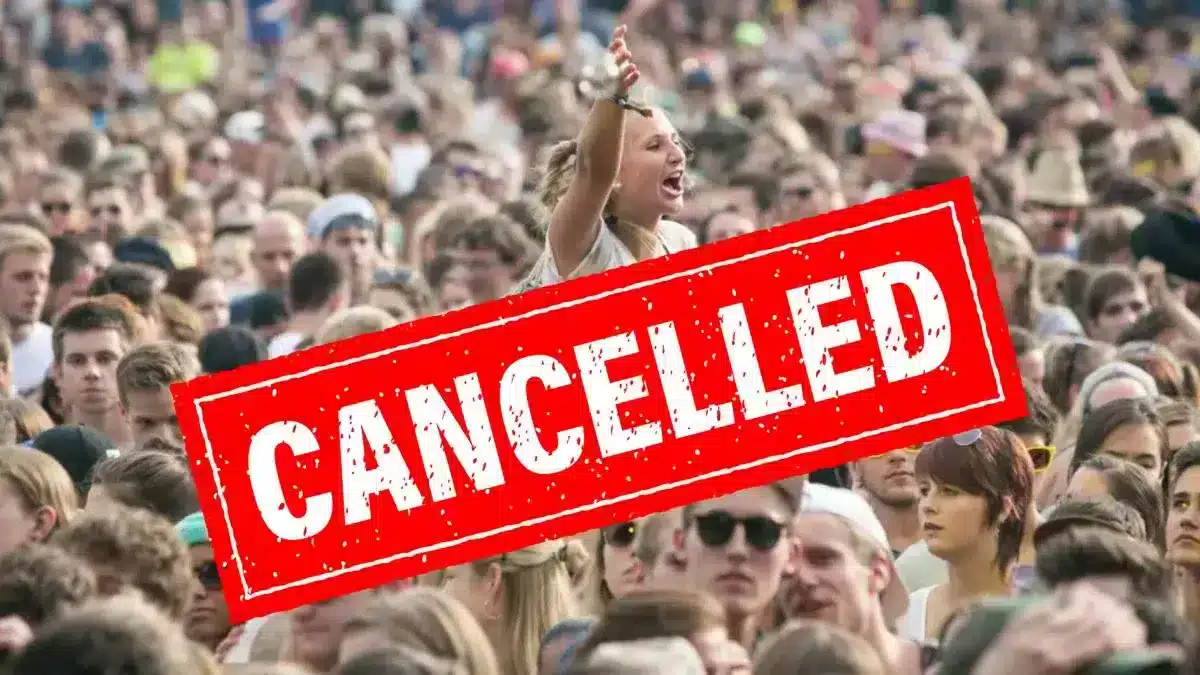
There is a hard lesson running through the live business right now: not every artist can price tickets like Taylor Swift.
That should not be controversial. Swift can move stadiums at eye-watering prices because she sits in a category of her own: global, cross-generational, scarcity-driven, event-level demand. The problem is that too many other tours are being built, booked and priced as if that same demand exists everywhere else. It does not. Fans are noticing. More importantly, they are not buying.
4th cancelled tour I’ve seen in the last week ???????? Tickets are too expensive and artists are overestimating their demand. https://t.co/MaisOYfZXe — KATO ON THE TRACK (@KatoProducer) May 5, 2026 Advertisement Your browser does not support HTML5 video.
another cancelled tour…how many is that this year???? artists really need to start realising the high prices and residencies dont work anymore. make concert tickets affordable for everyone again please — kai????⬛ karlach's gf (@dressltwt) May 5, 2026 Advertisement
Artists are canceling shows and tours because no one is buying tickets, but no one lowering ticket prices. pic.twitter.com/YhHZy5QlbU — Mike ???? (@michaelcollado) May 4, 2026
The latest warning signs are piling up fast. Kid Cudi called off his Birmingham, Alabama show and was unusually direct about why: ticket sales “just weren’t strong enough,” he told fans. The show had been scheduled for May 5 at Coca-Cola Amphitheater, with refunds issued to buyers.
Then came the Pussycat Dolls, who canceled nearly all of their North American reunion dates after taking what they called “an honest look” at the run. As TicketNews previously reported, the tour had included major arena plays, including Madison Square Garden, but multiple reports pointed to weak demand and large blocks of unsold seats. The group’s U.K. and European dates remain scheduled, with the Dolls saying demand overseas has been stronger.
Post Malone also canceled six stadium dates on his Big Ass Stadium Tour with Jelly Roll, officially saying he needed more time to finish new music. The canceled stops included El Paso, Waco, Baton Rouge, Birmingham, Tampa and Oxford, with the tour now set to begin June 9 in Charlotte. But reports around the cancellations quickly focused on the dreaded “blue dot fever” visible on Ticketmaster maps: vast patches of unsold seats sitting in plain sight.
Meghan Trainor canceled The Get In Girl Tour while citing family obligations, telling fans that juggling a new album, a national tour and a new baby had become overwhelming. That explanation may be entirely true. But the timing landed in the middle of a broader cancellation wave, and industry chatter had already focused on soft sales, including resale listings reportedly falling as low as $10 before the tour was pulled.
ZAYN offered one of the clearer official explanations: health. He said he had been recovering at home after being hospitalized around the release of his KONNAKOL album and had decided to reduce the number of shows on his schedule. Still, the U.S. arena leg was wiped out while U.K. and Mexico dates remained listed, creating another uncomfortable entry in a very familiar pattern.
And Dolly Parton canceled her Las Vegas residency while citing ongoing health issues, saying she was responding well to treatment but was not yet at “stage performance level.” Dolly is in a different category from the rest of this pileup; her explanation was detailed, personal and credible. But even her cancellation adds to the larger consumer experience: fans buy, plan, travel, wait, then watch the show disappear.
The pattern is becoming familiar. An artist announces a tour. Sales sputter. Seating charts turn into oceans of blue dots. Then a “personal” reason emerges for pulling out before anyone has to say the quiet part out loud: nobody bought the tickets.
Whether the reasons are real, partial or convenient cover, the result for fans is the same. The show is off. Refunds may come, but hotel rooms, flights, babysitters, time off work and the basic goodwill of the audience are not so easily restored.
This is where the pricing problem becomes impossible to ignore. The live business spent the past few years learning that the very top of the market could absorb shocking prices. Swift proved that, and so did a handful of other true stadium-level acts. But the industry appears to have drawn the wrong conclusion. It was not a green light to price every nostalgia reunion, mid-tier arena run, overextended amphitheater tour or ambitious stadium play like a once-in-a-generation event.
Fans are not rejecting concerts. They are rejecting bad value.
They are rejecting $300 seats for artists who should be playing theaters. They are rejecting dynamic pricing games for tours with no real scarcity. They are rejecting arena maps where half the building is empty while official prices pretend demand is through the roof. And they are rejecting the idea that every night out must be treated like a luxury purchase.
That matters because inflated primary prices do not just hurt fans. They poison the entire ecosystem. High face values make tours look healthier than they are until the market refuses to cooperate. Resale prices collapse. Promoters start quietly discounting. Fire sales appear. Then, when the optics get too ugly, dates vanish.
Live Nation’s own Summer of Live $30 ticket promotion was supposed to help move inventory. But when even fire-sale pricing cannot rescue certain arena plays, the message should be obvious: the problem is not just marketing. It is demand, venue selection and price discipline.
Already, people are predicting which tours will be cancelled next:
Who told them it would be a good idea to do big venues ???? you should be sad… pic.twitter.com/Pyt00ilHSP — Dylan (@dyla1404) May 4, 2026
The timing could hardly be worse for Live Nation and Ticketmaster. TicketNews has closely covered the pair’s antitrust fight, including the recent jury verdict finding that Live Nation and Ticketmaster illegally maintained monopoly power in the live events and ticketing business, and the upcoming May 7 remedies hearing over what happens next. State attorneys general are now openly pushing for stronger remedies, including the possibility of a breakup, after the monopoly verdict.
That legal fight is not just background noise. It sits right at the center of the fan experience. When one dominant company controls so much of the pipeline — promotion, venues, ticketing, fees, data and pricing architecture — fans have every reason to ask whether the system is being built around sustainable demand or around extracting as much as possible until the map turns blue.
Artists and their teams need to stop pretending every fan base can support premium-everything pricing. Promoters need to stop booking rooms for headlines instead of reality. Ticketing platforms need to stop letting scarcity theater do the work that actual demand cannot. And managers need to understand that canceling a tour after fans have already made plans is not a harmless reset button.
The market is sending a signal. It is not subtle.
Price the ticket like Taylor Swift only if the demand looks like Taylor Swift. Otherwise, the blue dots will tell the story first — and the cancellation statement will come later.