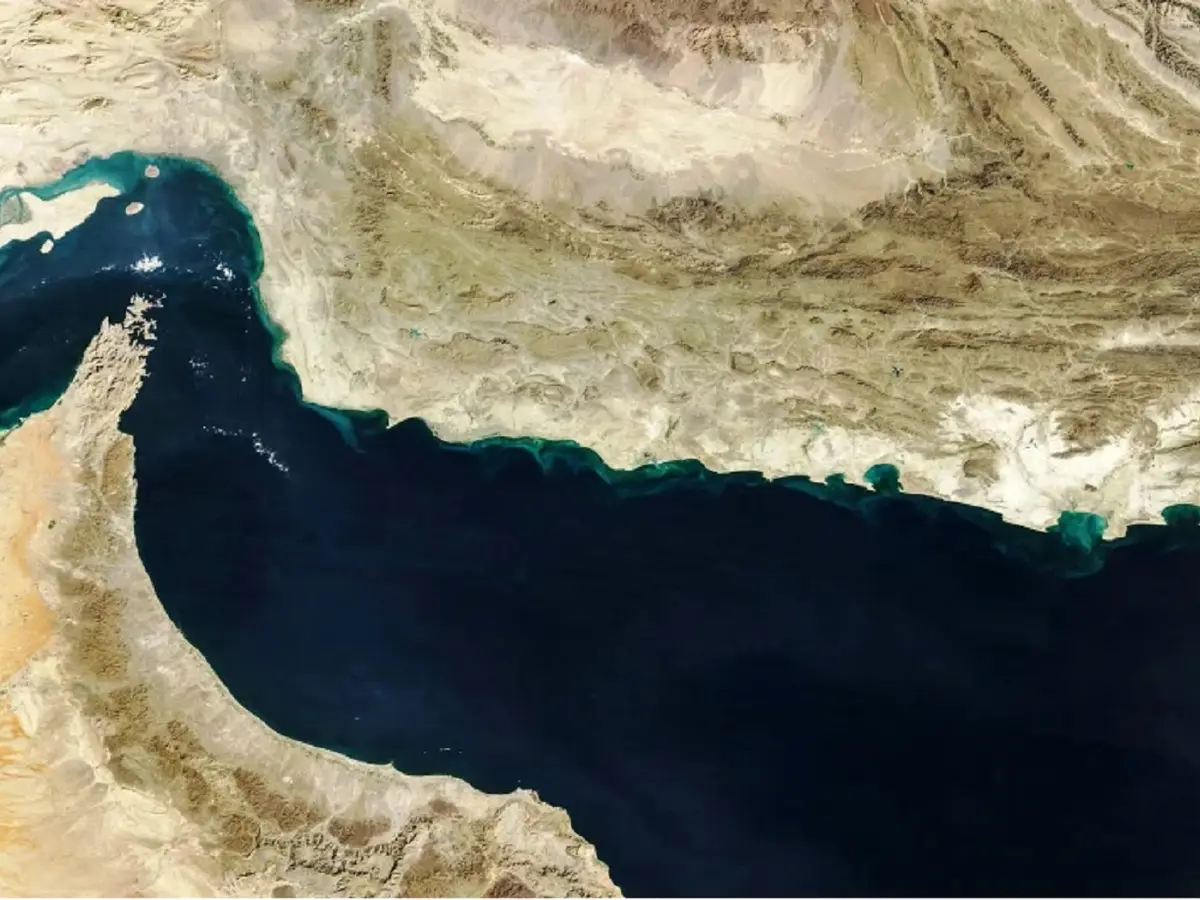
Iran is initiating steps to take full control of all 7 undersea internet cables passing through the Strait of Hormuz. Tehran also proposes to impose a toll for submarine cables that provide internet communications. Iran has proposed a governance model for underwater submarine cables passing through the Strait of Hormuz. The waterway, already a chokepoint for global oil shipments, is equally vital for the digital world. Several fibre-optic cables lie across the seabed of the strait, connecting countries from India and Southeast Asia to Europe via the Gulf states and Egypt.
Also Read: UK deploys warship HMS Dragon to Middle East ahead of likely mission to secure Hormuz
“In the proposed governance model for the Strait of Hormuz, the passage of submarine cables must be conducted with a permit and payment of tolls, and foreign companies must also operate under Iranian laws,” said Iran’s FARS News Agency in a post.
Add WION as a Preferred Source
“Furthermore, the management, repair, and maintenance of these cables can be exclusively entrusted to Iranian companies, so that the Strait of Hormuz becomes one of Iran’s digital power levers,” it added.
Fibre-optic cables laid on the sea floor carry around 99% of the world’s internet traffic. They are essential for cloud services and online communications.
As Iran moves to take control of undersea internet cables in the Strait of Hormuz, foreign operators may be forced to get Iranian permits, pay transit fees, and follow Iranian law, according to Fars. The cables carry a large share of global data traffic between Europe, the Gulf, and Asia. Iran also wants all management and maintenance handled exclusively by domestic companies.
The IRGC has previously warned it could target submarine cable infrastructure used by Gulf states for internet, banking, and cloud services.