Guests rely on those predictable comforts every time they visit, no matter which location they patronize, and they’re seemingly willing to pay a premium for the privilege of ordering the same dish, cooked the same way, anywhere in the country. On its latest earnings call earlier this month, Texas Roadhouse CEO Gerald Morgan cited a recent 3.2 percent menu price increase across the board that, to date, has had no negative impact on traffic or product mix.
Creating experiences that keep users locked into their ecosystems gives chains more pricing power. Customers who crave the cheddar biscuits at Red Lobster or Bloomin’ Onions at Outback Steakhouse may remain loyal despite incremental price hikes. Independent restaurants rarely achieve the same manufactured precision—but then, most of them don’t aspire to it. Nor do most feel confident they’ll retain customers if they add several dollars to the cost of their signature dish.
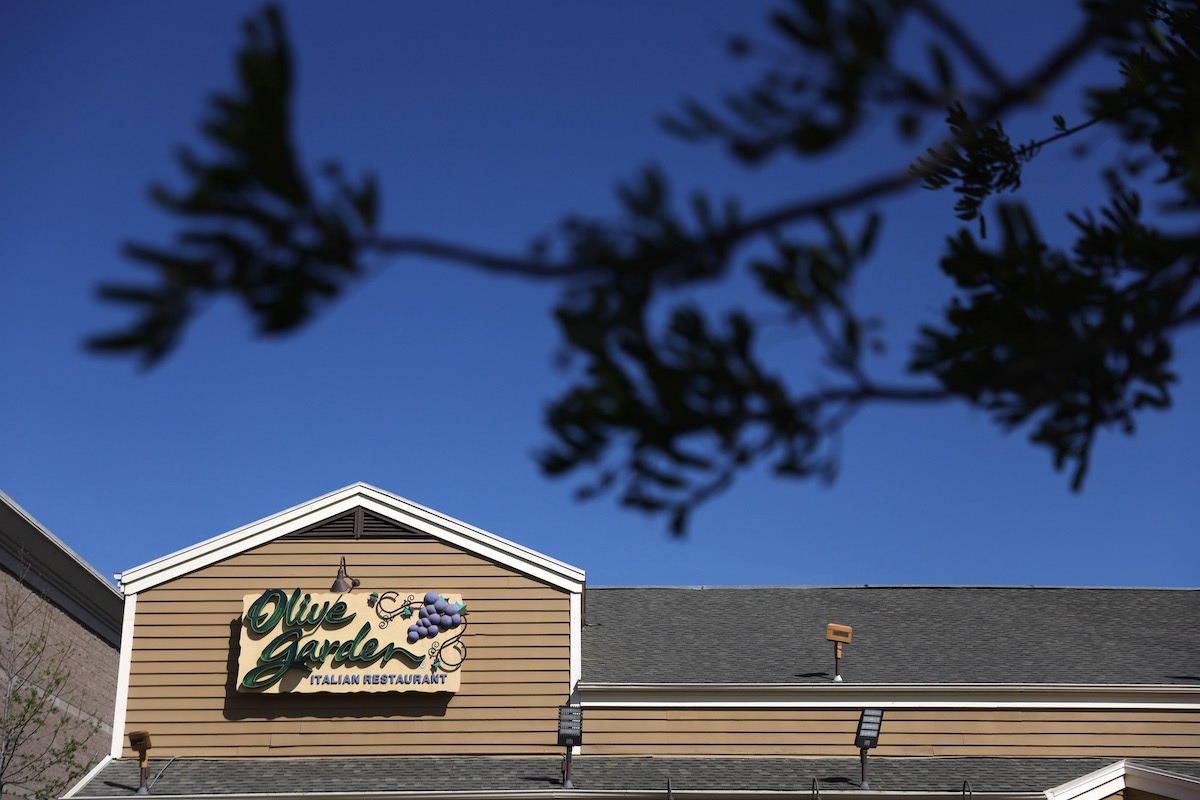
Chain restaurants spend billions insinuating their brands into the community through a combination of down-home marketing and folksy advertising. Even though most of these companies siphon away wealth by returning profits to shareholders rather than reinvesting them in the community, creating the illusion of neighborliness is integral to their appeal. Catch phrases and taglines fortify these myths—like Applebee’s “Eating Good in the Neighborhood” or Olive Garden’s “When You’re Here, You’re Family,” for example.
Most of us can recall one or two chain restaurants we loved as a kid—as I did Bakers Square—but a majority of Americans over the age of 40 don’t remember our hometowns as the over-farmed breeding grounds for chain restaurants they’ve become. Today, corporate-branded franchise restaurants have the upper hand. In their relentless pursuit of growth, they are bullying local businesses, making neighboring towns virtually indistinguishable.
A quick story ????: When my dad immigrated to America in 1997, one of his first “American” meals was at Olive Garden. He had never had food so rich, creamy, buttery, and cheesy before and fell in love at first bite. As his family grew… — Kavya Davuluri (@Kavya_Davuluri) August 13, 2021
I saw a thread on Twitter some months ago, written by a woman whose father’s favorite restaurant was Olive Garden. For a milestone birthday, the family decided to fly the father to Italy to experience real Italian food. To the woman’s dismay, her father hated the food there. Italian food, he learned, didn’t resemble the rich cream sauces and goopy melted cheeses he was accustomed to eating at Olive Garden. In her father’s case, Olive Garden’s fabricated version of Italian cuisine had successfully supplanted the genuine article. His brand loyalty was so strong that the restaurant had redefined his conception of what real Italian food should be.
Whether Olive Garden is authentic Italian food or not is immaterial. The problem is in the facade it creates—a sterile algorithm that distorts cultural history and dilutes world cuisine. Of course, we’d all love to live in a utopian world with unlimited pasta, breadsticks, and salad. But there’s a cost to forfeiting our commercial districts to restaurants with no provenance. Doing so erases history and renders our communities rudderless.
As these chains chisel away at our city centers, we will inevitably have fewer local dining options. It’s no different from how Amazon has decimated brick-and-mortar retail, leaving Main Streets across America barren and featureless. Where we choose to spend our money can help turn the tide, but we need more municipal ordinances that institute tougher zoning laws to limit chain restaurants or offer tax advantages to independent businesses.
Breaking ourselves from the chains really must be a community effort. Otherwise, dining in America is doomed to conform to a dystopian corporate vision of how Americans should dine, not the reflection of our regionality and unique cultural history it should be. In chain restaurant parlance, “Eating Good in the Neighborhood” won’t be so good at all if our neighborhoods don’t belong to us anymore.