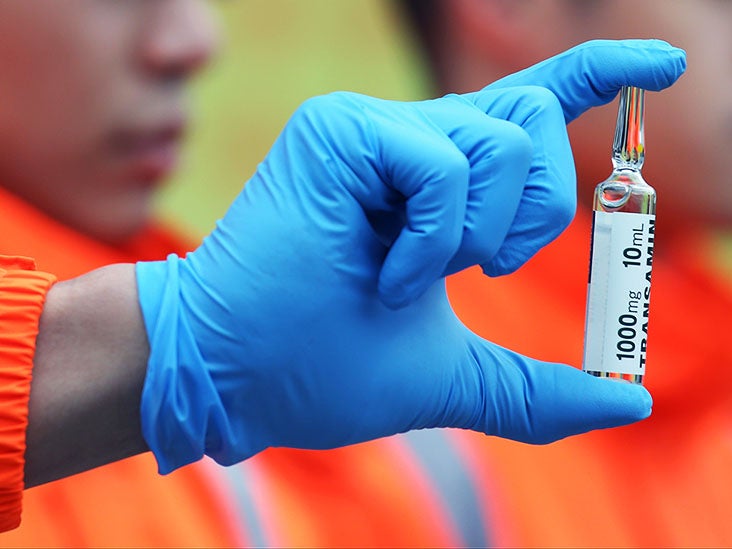
Share on Pinterest Despite being equally effective regardless of sex, female patients may be less likely to receive certain drugs or treatments, research finds. Tam/South China Morning Post via Getty Images Tranexamic acid is an approved drug that can prevent severe blood loss in patients with life-threatening physical injuries or trauma.
A new study shows that female patients are about half as likely as males to receive tranexamic acid following a traumatic injury.
These sex disparities also persist after accounting for the severity of the injury, the risk of death due to bleeding, and the mechanism of injury.
The findings highlight the need for further research to understand the factors responsible for such disparities in emergency medical care. A recent study published in the British Journal of Anaesthesia suggests that female trauma patients are less likely than their male counterparts to receive the life-saving drug tranexamic acid, despite a lack of difference in the drug’s effectiveness in male and female patients. The study’s co-author Dr. Ian Roberts, an epidemiologist at the London School of Hygiene & Tropical Medicine, says the results were very concerning as tranexamic acid was “the only proven lifesaving treatment for traumatic bleeding.” “Women were treated less frequently than men regardless of their risk of death from bleeding or the severity of their injuries. This looks like sex discrimination, and there is an urgent need to reduce this disparity in tranexamic acid treatment, so all patients who need the drug have the chance to receive it.”
— Dr. Ian Roberts The study involved researchers from both the London School of Hygiene & Tropical Medicine and University Hospitals Plymouth NHS Trust in the United Kingdom.
Reasons for differences in health outcomes Studies suggest that there are differences in health outcomes in men and women. These differences in health outcomes can arise due to biological differences between the male and female sexes. For instance, sex differences may influence the metabolism of drugs and their activity, impacting their effectiveness or side effects. However, sex and gender disparities in access to healthcare and the quality of care provided also contribute to differences in health outcomes. Such disparities have also been observed in the provision of trauma or emergency medical care. Studies have found that female patients with chest pain are less likely than their male counterparts to receive aspirin, nitroglycerin, or the establishment of intravenous access from emergency medical services. Female trauma patients also tend to experience longer delays in receiving trauma care and were more likely to be discharged to nursing facilities than males. Given these disparities in emergency care, the present study examined sex differences in the use and effectiveness of tranexamic acid in patients with traumatic injuries. Traumatic injuries are severe physical injuries that require immediate medical attention. Common causes of traumatic injury include traffic accidents, falls, assaults, and sports injuries. Severe blood loss and traumatic brain injury are the most common causes of death following a traumatic injury. Tranexamic acid prevents excessive blood loss by blocking the breakdown of blood clots and can reduce deaths in patients with traumatic brain injury or multiple trauma. However, it was not known whether there are sex differences in the effectiveness of tranexamic acid or sex disparities in the use of this life-saving drug.
Sex disparities in tranexamic acid use To assess potential sex differences in the effects of tranexamic acid, the researchers conducted an in-depth analysis of data from two previous international clinical trials. They found that tranexamic acid was effective to a similar extent in males and females, reducing the risk of death within 24 hours of a traumatic injury by 20-30%. The researchers then used data from the Trauma and Audit Research Network to examine whether there were differences among male and female patients who received tranexamic acid treatment for traumatic injuries. Upon examining data from over 200,000 trauma patients, the researchers found that women were less likely to receive tranexamic acid treatment for major trauma than men in both prehospital and hospital settings. Moreover, researchers also stratified or grouped this data according to age, risk of death from bleeding, the severity of the injury, or the mechanism of injury. They found that this disparity between male and female patients persisted. Although these disparities were observed across the board, the sex and gender differences in tranexamic acid use were more pronounced in older women and female trauma patients with a lower risk of death due to bleeding. These results are notable since the survival benefit from tranexamic acid is not influenced by the risk of bleeding or the mechanism of injury, but earlier treatments are more effective.