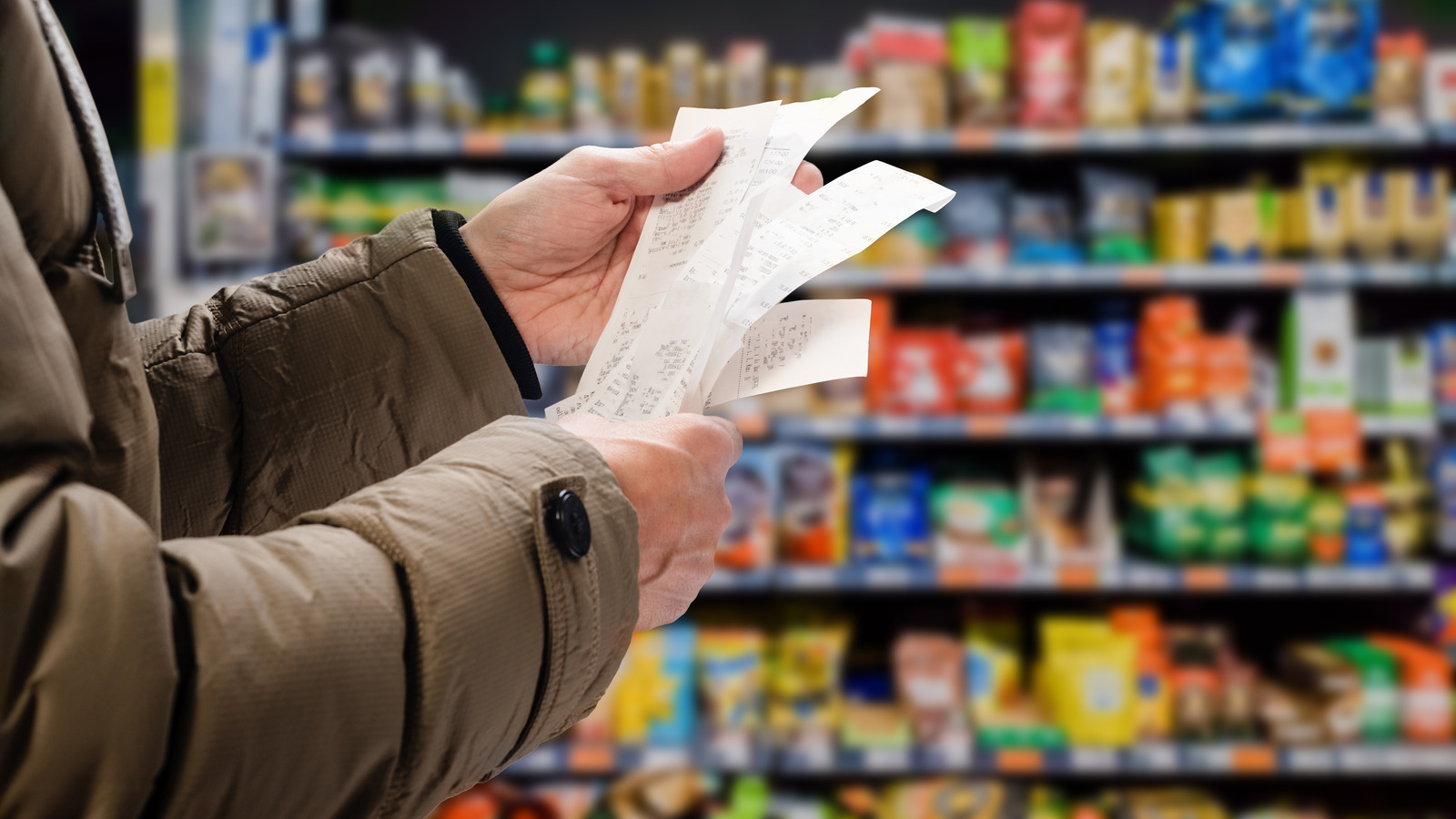
New Research Shows Rising Gas Prices Affect Where People Shop For Food
It's no secret the cost of living in the U.S. has been getting drastically more expensive lately. Sugar, seafood, and wheat are among the staple food resources plunged into a state of scarcity and gross price increase in recent months. The Biden administration has launched plans to ease inflation by stimulating agriculture trade with U.S. farmers, but food prices are directly connected to the rising price of gasoline. Nationwide, gas prices rose by almost 50 cents in the last month alone, per The New York Times, and they aren't just affecting your morning commute — your groceries might be next.
According to the 2022 Grocery Shopper Trend Report by FMI, a food sales analytics artificial intelligence system, modern consumers are aiming to spend less on food and take fewer trips to the store. The recent rise in food and gas prices is driving shoppers away from traditional grocery stores and toward alternative markets: namely wholesale clubs and dollar stores. In the report, FMI says 80% of consumers remain "regular" shoppers at traditional grocery stores -– but now, 65% of consumers shop at mass retailers, 44% shop at club stores, and 31% frequent the dollar store for grocery needs. Although this changing trend might seem inconsequential, FoodNavigator-USA predicts it could influence the way food and drink manufacturers think about product distribution.