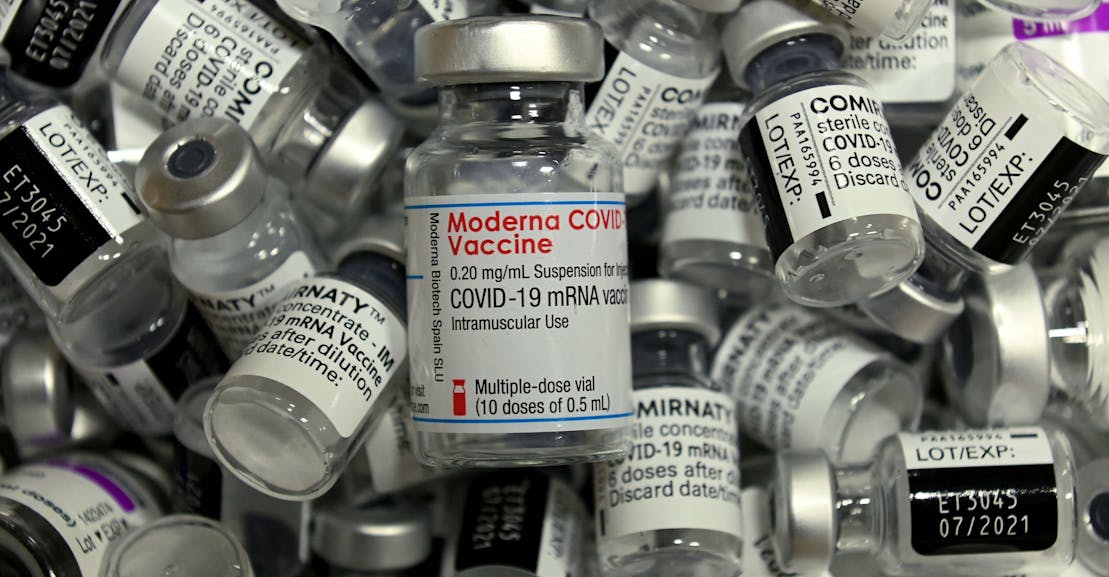
We didn’t necessarily get great deals from these firms, however. The American public is—or should be—an owner of the Moderna vaccine: Taxpayers financed its development, and NIH scientists played a key role in inventing it. Also, it’s not as if these companies didn’t turn a hefty profit from their sales to governments: Pfizer and Moderna have taken in $79 billion in revenue for Covid-19 pharmaceuticals globally. To now hand the keys over to a hodgepodge of insurance intermediaries will drive up costs, which will be borne by the public. In addition to increasing health insurance premiums, this could have the effect of squeezing state Medicaid budgets and consequently the availability of funds for other care.
But this is not only about money. We should care about the shift Jha announced because achieving universal and equitable access to Covid-related care remains critical. So far, the government has not only provided the vaccine for free but forbidden providers from charging administrative fees or discriminating based on a patient’s immigration status. Covid therapeutics like monoclonals and oral antivirals (such as Paxlovid) have also been distributed free of charge. Some municipalities took innovative strategies to improve uptake of these agents, ranging from mobile vaccine outreach teams to free home delivery of Paxlovid in New York City—programs that would have been far more costly if health departments also had to buy the products. Yes, disparities in vaccine uptake nevertheless persisted, and inadequate access to health care has remained a barrier to Covid care. In one study, for instance, my colleagues and I found that the uninsured were much less likely to have a booster shot, perhaps because of lack of a trusting relationship with a primary care physician who could provide information and counsel (and the booster itself). That’s not a surprise: Single-disease-focused “vertical” programs are no substitute for comprehensive, universal, primary care–based systems. Still, it’s hard to imagine that the commercialization of Covid care won’t lead to a worsening of disparities.
It’s still unclear how the process of commercialization will unfold and whether steps will be taken to retain some access for the uninsured: The administration is meeting with pharmacists, drug firms, and health departments later this month to work out details. Additionally, under the Affordable Care Act, most insurers are required to cover certain forms of preventive care—including recommended vaccines—for free. In all likelihood, however, bringing these products into the fold of regular American health care will reduce access. Some Medicaid patients could see co-pays for Covid vaccines once they are commercialized—or not have access to these vaccines at all, according to a report from the Brookings Institute. Provision of vaccines to the uninsured, who are at increased risk of Covid, will almost certainly deteriorate when neither administration nor the products themselves are publicly funded. And co-pays and deductibles for treatments like Paxlovid will presumably pop up for the privately insured.