Arendt said harm reduction is a paradigm within drug and addiction education that recognizes that historically, people always have and will continue to use drugs. Harm reduction does not support or enable drug use, but instead aims to empathetically meet people where they are in the course of their drug use and help empower them to take steps which minimize the potential hazards associated with its use.
“If you are interested in stopping, we’re here to help,” said Arendt, assistant professor in UC’s James L. Winkle College of Pharmacy and co-chair of the pain stewardship committee for UC Health. “But if not, we aren't going to turn you away and refuse to help. We are going to work with you and help you take steps that will help keep you safe.
“Would it be ideal if everyone wanted to simply stop using drugs altogether? Yes, but that's not reflective of reality,” Arendt continued. “In the end, there isn't anything more you can do to help a person if they die from an overdose during the course of their use.”
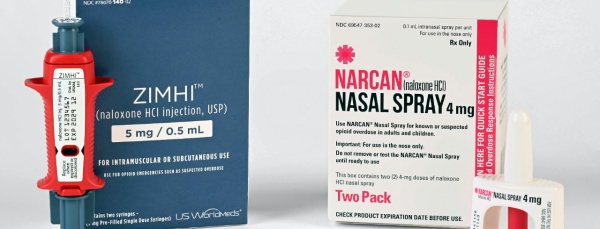
In practice, Arendt said harm reduction efforts include distributing naloxone, the drug that can reverse an opioid overdose, as well as other supplies such as sterile syringes, fentanyl test strips, tourniquets and bandages.
“You would never tell someone who has wildly uncontrolled diabetes to get their blood sugar in check before we will help them or give them insulin,” Arendt said. “So it is critical to recognize that substance use is not a moral failing, and it’s not this thing that should be stigmatized. Instead, we can acknowledge that drug use is becoming increasingly risky, and we can use that recognition to help spur the development of new, innovative methods of providing people with the care, services and support that they need, no strings attached.”