5.1.1. Revise the AVMA Guidelines for the Depopulation of Animals
Guidelines are essential for providing information regarding depopulation methods that can be used in disaster management and for scientists seeking to improve existing methods or develop new ones. The AVMA has made positive steps in promoting animal welfare at the time of killing through the publication of the three “Humane Endings” guidance documents: (1) Guidelines for the Euthanasia of Animals [ Guidelines for the Humane Slaughter of Animals [ Guidelines for the Depopulation of Animals [ The currentare essential for providing information regarding depopulation methods that can be used in disaster management and for scientists seeking to improve existing methods or develop new ones. The AVMA has made positive steps in promoting animal welfare at the time of killing through the publication of the three “Humane Endings” guidance documents: (1) 154 ]; (2) 155 ], and (3) 18 ]. The AVMA’s process includes periodic revision of these guidance documents, which has so far involved numerous revisions of (1) and one (currently on-going) revision of (2), with an average of 8 years between versions. The AVMA has informally announced planned revisions of (3) ahead of its planned schedule.
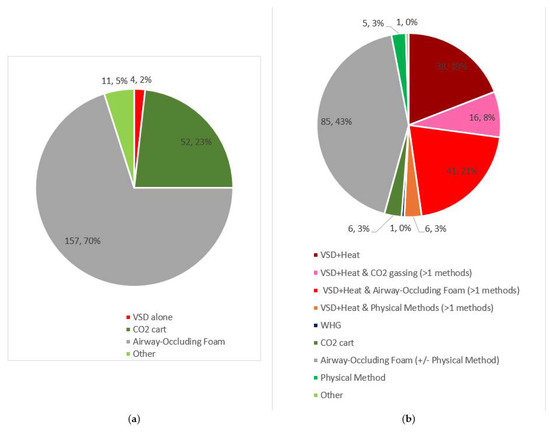
The nature of the depopulation events that have occurred since the release of the Guidelines for the Depopulation of Animals in 2019 highlight a rapidly evolving area and suggest an urgent need for revision of the Guidelines . This would allow for the authors on the AVMA Panel on Depopulation to consider new evidence about the welfare impacts of depopulation methods (including those which are heatstroke-based) and facilitate open discussion about the potential contribution of the Guidelines to the increased use of heatstroke-based methods and how best to reverse this trend and promote practical higher welfare methods.
Guidelines altogether, as done for methods such as live burial and burning [ 2 foam), should be considered and, if deemed appropriate, added to the Guidelines . Development and access to higher welfare methods may allow for reclassification of some currently “preferred” methods as “permitted in constrained circumstances.” This could provide the Panel with the opportunity to reclassify methods associated with significant and prolonged animal suffering, such as VSD + H/TH and sodium nitrite poisoning. Options include reclassifying them as “not recommended”, creating a new “unacceptable” category to which they could be assigned, or leaving them out of thealtogether, as done for methods such as live burial and burning [ 53 123 ]. In addition, faster and potentially more humane depopulation methods, such as high-expansion nitrogen-filled foam (Nfoam), should be considered and, if deemed appropriate, added to the. Development and access to higher welfare methods may allow for reclassification of some currently “preferred” methods as “permitted in constrained circumstances.”
Guidelines’ incorporation into federal and state policies [ Guidelines classify it as not recommended [ 2 foam is also ineligible for indemnification due to not being currently included in the Guidelines [ Guidelines affect both the methods used during the response phase of a disaster and the financial incentive that producers have to invest in earlier phases of disaster management [ While the AVMA does not have a direct regulatory role, theincorporation into federal and state policies [ 127 139 ] means that disease control-associated depopulations must be consistent with them if producers are to receive taxpayer-funded indemnity compensation [ 156 ]. Currently, APHIS does not offer indemnity to producers who use VSD alone, as theclassify it as 157 ]. Depopulation by high-expansion Nfoam is also ineligible for indemnification due to not being currently included in the 127 ]. Thus, theaffect both the methods used during the response phase of a disaster and the financial incentive that producers have to invest in earlier phases of disaster management [ 27 ]. For example, during the preparedness phase, producers or integrators can invest in equipment, supplies, and contracts to ensure “preferred” depopulation methods are rapidly accessible in an emergency; such preparation could help prevent the occurrence of “constrained circumstances” currently needed to justify the use of heatstroke-based methods.