In this article META
SNAP Follow your favorite stocks CREATE FREE ACCOUNT
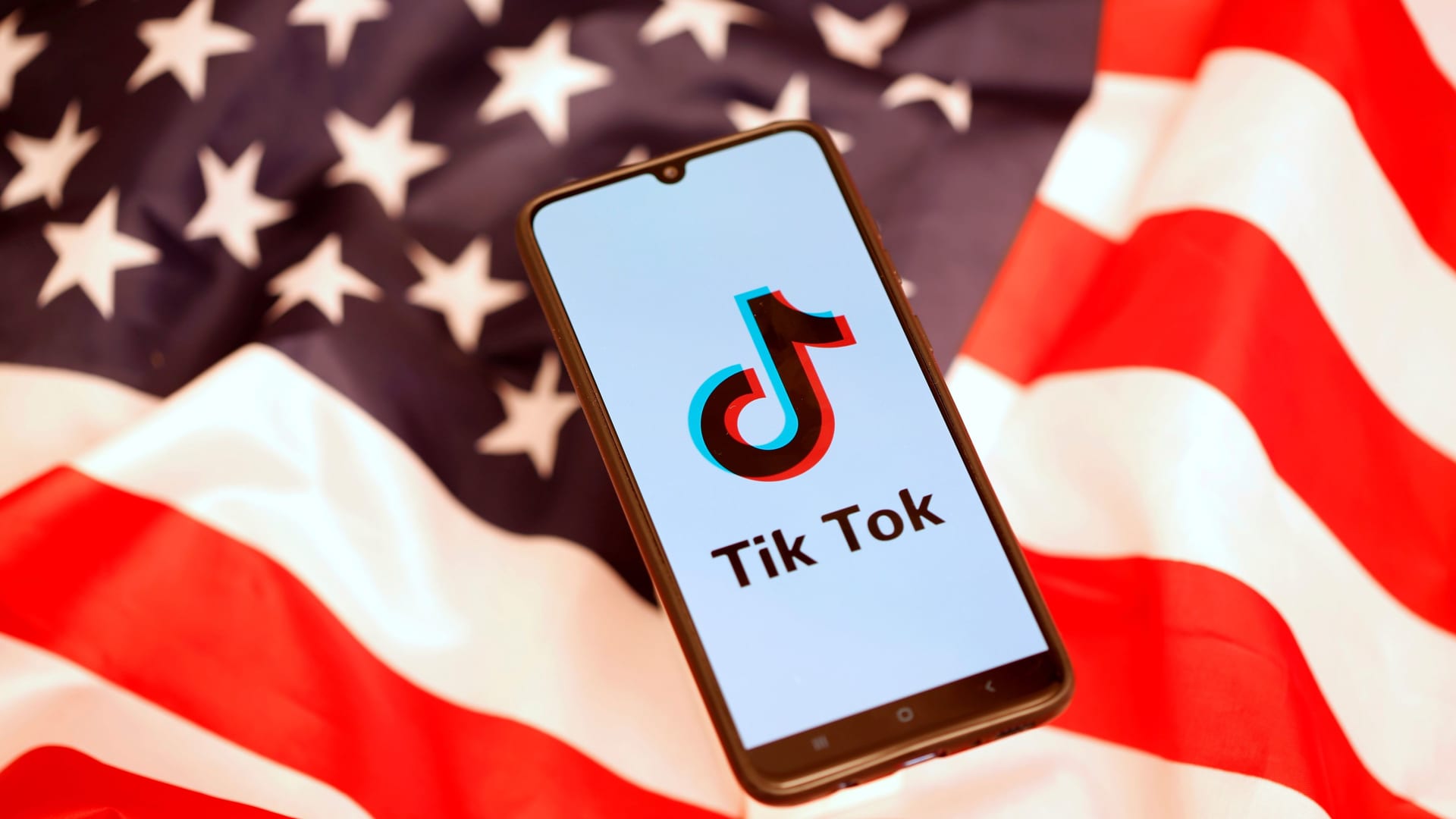
TikTok logo is displayed on the smartphone while standing on the U.S. flag in this illustration picture taken, November 8, 2019. Dado Ruvic | Reuters
Investors in Meta , Snap and other U.S. digital media companies have been looking for signs of a rebound after a tumultuous 2022. They got some unexpectedly optimistic news this week. The U.S. House Foreign Affairs Committee on Wednesday voted to advance legislation that would give President Joe Biden the authority to ban TikTok, the viral video app owned by China's ByteDance that's been swiping market share from social media stalwarts. "Implications are great for anybody that has been losing market share to TikTok," said Laura Martin, an analyst at Needham, in an interview. She said Snap, Meta's Facebook and Google's YouTube could be "huge beneficiaries" if the ban ultimately takes place. TikTok has been on a meteoric rise in the U.S., and its impact was particularly noticeable in 2022, as a sputtering economy pulled down the online ad market. In 2021, TikTok topped a billion monthly users. An August Pew Research Center survey found that 67% of teens in the U.S. use TikTok, and 16% said they are on it almost constantly. According to Insider Intelligence, TikTok controls 2.3% of the worldwide digital ad market, putting it behind only Google (including YouTube), Facebook (including Instagram), Amazon and Alibaba. But data privacy concerns have been growing with TikTok because of its parent company, which is based in China and privately held. Congress banned TikTok from government devices as part of a bipartisan spending bill in December, several governors have removed the app from state computer networks —including at public universities — and Sen. Josh Hawley, R-Mo., renewed calls for a complete nationwide ban in January.
watch now
"A U.S. ban on TikTok is a ban on the export of American culture and values to the billion-plus people who use our service worldwide," a TikTok spokesperson said Wednesday. "We're disappointed to see this rushed piece of legislation move forward, despite its considerable negative impact on the free speech rights of millions of Americans who use and love TikTok." Even with the legislation that came before the committee this week, lawmakers have a long way to go before any real ban could be implemented. Assuming this bill gets through the Republican-controlled House, the Democratic majority Senate would have to pass some version of it, which will be a challenge based on the opposition that has already been voiced by some Democrats. If it did pass the Senate, Biden would still need to decide whether to veto it or sign it. TikTok is no stranger to challenges from U.S. officials, as former President Donald Trump declared his intention to ban the app by executive action in 2020. ByteDance looked to potentially spin off TikTok to keep the app from being shut down, and the company forged an agreement with Trump that was to include partnerships with Oracle and Walmart , which would both become investors in TikTok. Those deals fizzled, but Martin said it's possible that the app could be successfully acquired this time. In that case, TikTok might be a weakened competitor and experience a period of uncertainty, but "it wouldn't just disappear and get shut down," Martin said. Andrew Boone, an analyst at JMP, said Meta likely stands to benefit the most should TikTok face a U.S. ban. Facebook has been pumping money into its TikTok rival, Reels, which has yet to establish a revenue model that's as effective as the core newsfeed.
Mark Zuckerberg, chief executive officer of Meta Platforms Inc., left, arrives at federal court in San Jose, California, US, on Tuesday, Dec. 20, 2022. David Paul Morris | Bloomberg | Getty Images