Your support helps us to tell the story Read more Support Now From reproductive rights to climate change to Big Tech, The Independent is on the ground when the story is developing. Whether it's investigating the financials of Elon Musk's pro-Trump PAC or producing our latest documentary, 'The A Word', which shines a light on the American women fighting for reproductive rights, we know how important it is to parse out the facts from the messaging. At such a critical moment in US history, we need reporters on the ground. Your donation allows us to keep sending journalists to speak to both sides of the story. The Independent is trusted by Americans across the entire political spectrum. And unlike many other quality news outlets, we choose not to lock Americans out of our reporting and analysis with paywalls. We believe quality journalism should be available to everyone, paid for by those who can afford it. Your support makes all the difference. Read more
Chancellor Rachel Reeves has been given a rare dose of good news after official figures showed borrowing fell in the first full year of the Labour government.
In the year to March, the government ran a deficit of £132bn – that’s the gap between what it spends and what it collected in tax.
That amount is £20bn lower than for the previous year and slightly lower than the £132.7bn forecast by the Office for National Statistics.
Income tax and VAT receipts were also higher than expected.
But City economists warned that the Iran war will send government borrowing surging and decimate the chancellor’s financial headroom.
Thomas Pugh, chief economist at audit, tax and consulting firm RSM UK, said: “The good news for the chancellor is that full-year borrowing for 2025/26 came in at £132.bn, down from £151.9bn in the previous financial year, and in line with the latest OBR forecast.
“The bad news is that the war in Iran means the situation will deteriorate sharply over the rest of this year. That will limit her ability to offer households and businesses a significant bailout if energy prices move higher.”
Inheritance tax hit a new high at £8.5bn for the year.
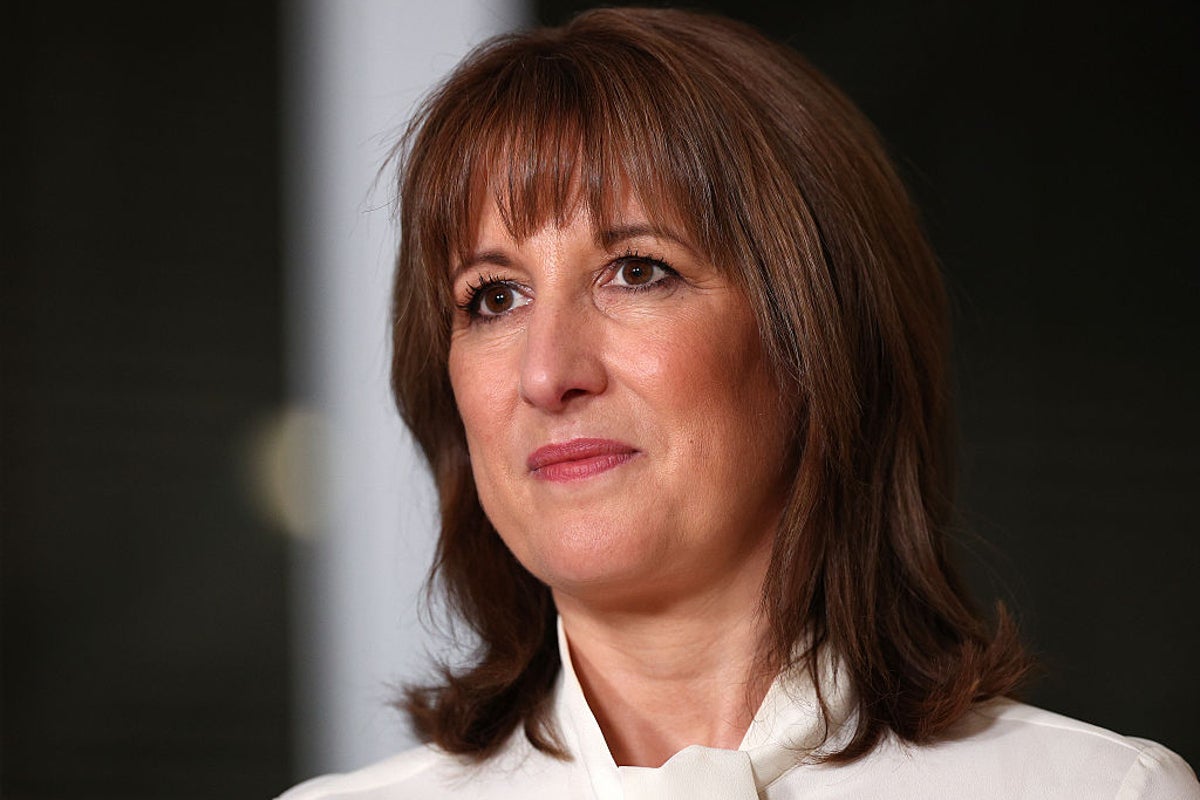
Despite the decrease in borrowing, the ongoing Iran war is set to cause Rachel Reeves significant issues ( Getty )
Rachael Griffin, tax and financial planning expert at Quilter, said: “Today’s figures rounding off the tax year show the government is continuing to lean heavily on stealth taxes to support the public finances.
“While the strength of receipts will offer some short‑term reassurance for the chancellor, it comes at a time when household finances are under renewed pressure from another period of higher inflation following the start of the war in Iran.”
The energy price shock means the government is likely to overshoot borrowing forecasts from here on, probably by many billions of pounds.
Capital Economics said in a note to clients: “March’s figures showed an unexpected undershoot of the OBR’s forecast for public borrowing in 2025/26.
“But we do not expect this improvement to last long. We think the energy price shock will mean that borrowing overshoots the OBR’s forecast by a huge £29bn for the 2026/27 fiscal year and by about £13bn in subsequent years.”