Your support helps us to tell the story Read more Support Now From reproductive rights to climate change to Big Tech, The Independent is on the ground when the story is developing. Whether it's investigating the financials of Elon Musk's pro-Trump PAC or producing our latest documentary, 'The A Word', which shines a light on the American women fighting for reproductive rights, we know how important it is to parse out the facts from the messaging. At such a critical moment in US history, we need reporters on the ground. Your donation allows us to keep sending journalists to speak to both sides of the story. The Independent is trusted by Americans across the entire political spectrum. And unlike many other quality news outlets, we choose not to lock Americans out of our reporting and analysis with paywalls. We believe quality journalism should be available to everyone, paid for by those who can afford it. Your support makes all the difference. Read more
Individuals grappling with stress who also indulge in late-night snacking may be delivering a "double hit" to their gut health, according to new research.
Experts suggest this combination could significantly increase the risk of bowel problems.
A study by US researchers, analysing data from over 11,000 participants in the National Health and Nutrition Examination Survey, found a clear link.
Those with high allostatic load scores – an indicator of chronic stress's impact on the body – who consumed a quarter of their daily calories after 9 pm were 1.7 times more likely to experience constipation and diarrhoea.
Further analysis of data from more than 4,000 individuals involved in the American Gut Project reinforced these findings. It revealed that participants reporting high stress levels alongside late-night snacking were 2.5 times more prone to developing bowel issues.
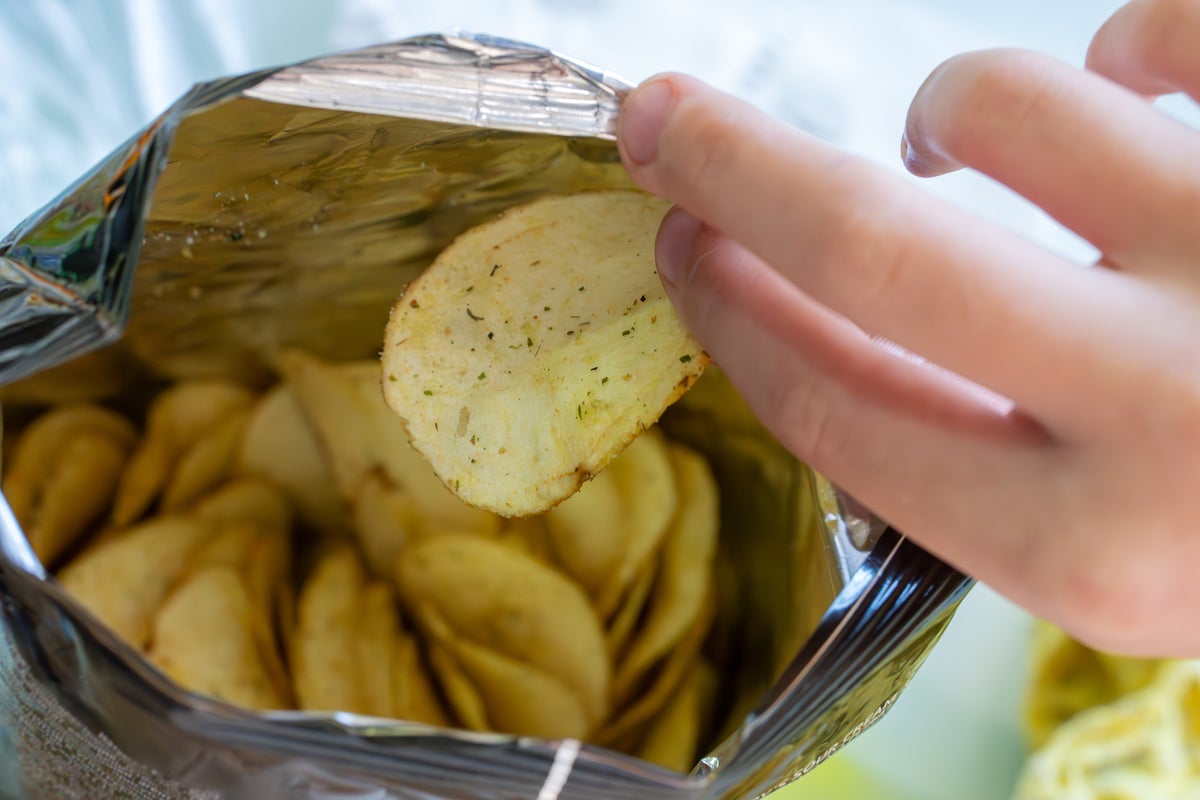
open image in gallery Stress combined with eating late at night has been found to be bad for your gut health ( Getty/iStock )
Lead author Dr Harika Dadigiri, of New York Medical College at Saint Mary’s and Saint Clare’s Hospital, said: “It’s not just what you eat, but when you eat it.
“And when we’re already under stress, that timing may deliver a ‘double hit’ to gut health.”
Researchers suggest that maintaining structured meal times could help people eat at more regular times.
Dr Dadigiri said: “I’m not the ice cream police.
“Everyone should eat their ice cream – maybe preferably earlier in the day.
“Small, consistent habits, like maintaining a structured meal routine, may help promote more regular eating patterns and support digestive function over time.”
The findings will be presented at Digestive Disease Week, which takes place in Chicago from May 2 to May 5.