Your support helps us to tell the story Read more Support Now From reproductive rights to climate change to Big Tech, The Independent is on the ground when the story is developing. Whether it's investigating the financials of Elon Musk's pro-Trump PAC or producing our latest documentary, 'The A Word', which shines a light on the American women fighting for reproductive rights, we know how important it is to parse out the facts from the messaging. At such a critical moment in US history, we need reporters on the ground. Your donation allows us to keep sending journalists to speak to both sides of the story. The Independent is trusted by Americans across the entire political spectrum. And unlike many other quality news outlets, we choose not to lock Americans out of our reporting and analysis with paywalls. We believe quality journalism should be available to everyone, paid for by those who can afford it. Your support makes all the difference. Read more
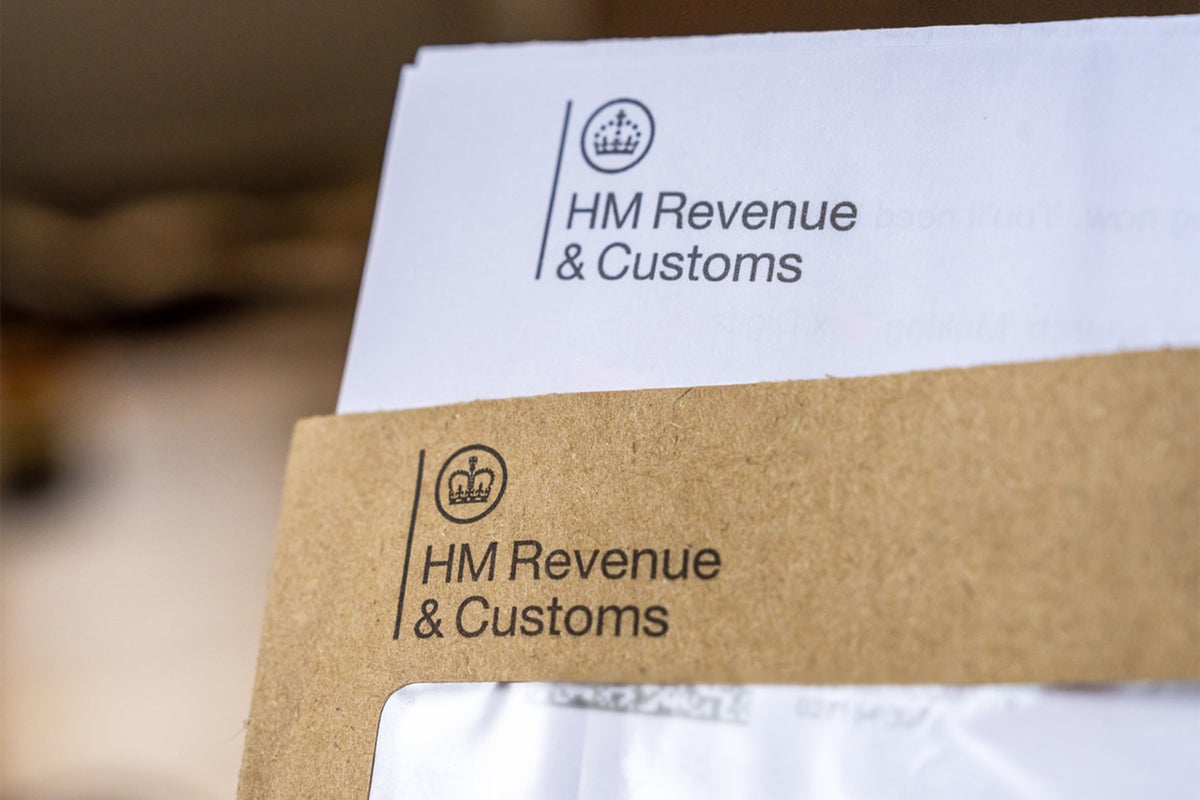
Thousands of young people are set to be reunited with cash pots worth an average of £2,200 as HMRC announces that it is taking action on forgotten child trust funds.
These funds are long-term, tax-free savings which were set up for every child born between 1 September 2002 and 2 January 2011. The government deposited £250 into each account, with those in low-income families or in local authority care receiving an additional £250.
Young people can take control of this account at 16 and withdraw funds when they turn 18. With interest, most grow to be worth much more than when they were set up.
Two-thirds of the six million recipients of child trust funds are now over 18, meaning they should be able to access their accounts. However, an estimated 750,000 young adults have yet to claim their fund, HMRC data recently revealed, with £1.5bn still sitting in accounts.
An estimated 750,000 young adults have yet to claim their fund ( Getty/iStock )
The government has now answered calls to help young people find their missing funds by writing to all 21-year-olds with an unclaimed account as part of a new awareness campaign.
Economic secretary to the Treasury, Lucy Rigby, said: “Hundreds of thousands of young people in this country don’t know they have a child trust fund, let alone how to access it. Some will have a couple of thousand pounds sat there that would really help them as they begin adult life.
“Together, we will ensure funds from these child trust funds can be accessed by young people to help give them the best start to adult life.”
Gavin Oldham, chair of the Share Foundation, a charity which helps link people with their child trust funds, has welcomed the move, but said the government “need to go much further”.
Get a free fractional share worth up to £100.
Capital at risk. Terms and conditions apply. Go to website ADVERTISEMENT
Get a free fractional share worth up to £100.
Capital at risk. Terms and conditions apply. Go to website ADVERTISEMENT
Earlier this month, the organisation called on the government to automatically release funds from HMRC accounts to the owners when they turn 21, a move that could give up to £286 million to young people immediately.
Child trust funds have now been replaced with junior individual savings accounts (Isas), which are long-term, tax-free savings accounts for children. These accounts work similarly, except the government does not contribute any money when they are set up.
Official guidance from the tax authority says that the most common reasons for lost child trust funds are that the claimants or their guardians have lost track of it, or have forgotten it was set up.
It adds every young person receives a national insurance notification before their 16th birthday, which includes information about how child trust funds can be located.
The department advises against using third-party agents who offer to find child trust funds at a price. In extreme cases, they have been known to charge £350 or even 25 per cent of the value of the account for this.
Instead, the tax authority advises young people to either search ‘find your child trust fund’ on Gov.uk, or use the free, approved tool from the Share Foundation, which requires just a few details. It is then easy to claim and access the account.