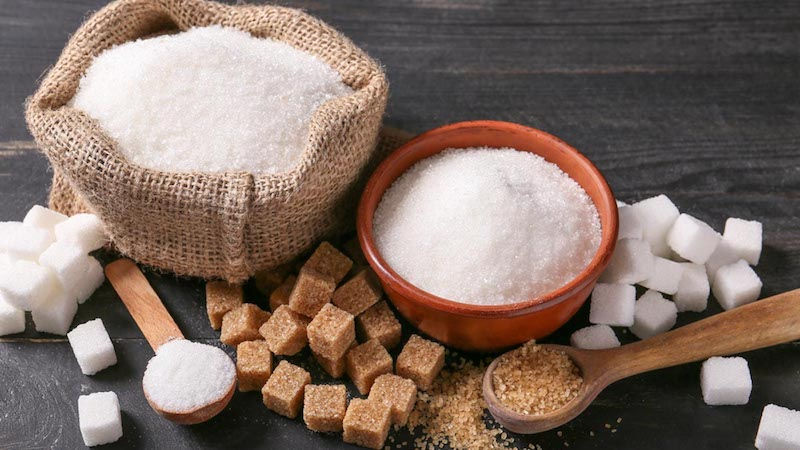
I constructed my diet years ago, reducing sugar and carb's and with Intermittent fasting as well.
I love this diet and as you can see from my videos and instagram, it in no way affects my high intensity sporting lifestyle and allows me to stay trim and with ample muscle.
The diet centres around limiting sugar as it is a major cause of obesity.
On a recent podcast Dr Rick Johnson a Professor of Medicine and Nephrology at the University of Colorado, gave amazing insights into how sugar, fructose and salt can affect your weight and blood pressure.
Rick has studied the kidney, and its role in high blood pressure by initially looking at uric acid and its role in high blood pressure. His findings lead him to important understandings about Sugar and Fructose and he directed his attention to studying this in more detail. He is without question the leading resource in Sugar and Fructose knowledge.
Fructose is everywhere
Fructose is in almost 30 % of all processed and packaged foods. It exist in the form of Corn Syrup Starch and its consumption is increasing.
Fructose is taken in and stored as fat. There is a higher propensity for Fructose to be managed in this way as compared to sugar. Glucose is used as an energy source, whereas Fructose is used as an energy store.
Fructose is made by your body as well
Dr Johnson, discovered in his studies into Hypertension and Salt, that Fructose is made by the body, in relation to salt. When the concentration of salt rises in the blood, glucose is converted to Fructose in the body.
Before we get to this, we can look at Salt and Hypertension.
Studies have shown that there are inflammatory reactions that occur in the kidney that lead to increased salt absorption and hypertension. When animals were given high salt diets they developed hypertension.
High Salt diets can cause Obesity
Then Rick found relationships between Serum Osmolality in causing obesity.
He discovered that when you ingest large amounts of salt, this causes a rise in serum or blood salt and this activates an enzyme to convert glucose to Fructose.
Whereas glucose is used for energy, Fructose is the sugar that is stored as fat leading to obesity.
Some take home messages.
1. Reduce Sugar intake
If you haven't reduced your sugar intake already, you should start right away. Fructose in processed foods needs to be avoided. Fructose is often labelled as Corn Starch Syrup.
Sugar is in far too high amounts in almost everything you eat and the proportion of Fructose in these sugars is increasing.
2.Drinking sugar is particularly bad
Make a concerted effort to not drink sugars, especially fructose. That means do not drink fruit juice. The concentration of fructose in these liquid forms, are absorbed rapidly and result in a huge metabolic effect causing fat deposition, particularly fatty liver. Eating fruit itself is not as bad but eating large amounts of fruit should be avoided.
3. Reduce your salt intake
As with sugar, salt is in high proportions in the foods we eat. Increases in serum salt has been shown to cause high blood pressure and obesity as we explained above.
4. Drink more water
Studies show you need to be careful in the concentration of salt ingested , as an increase in salt in the blood leads to the generation of fructose and fat deposition. Drinking more water, decreases any rise in salt concentration when you eat food. As a result this will reduce the risk of blood pressure rises and fat deposition.