Your support helps us to tell the story Read more Support Now From reproductive rights to climate change to Big Tech, The Independent is on the ground when the story is developing. Whether it's investigating the financials of Elon Musk's pro-Trump PAC or producing our latest documentary, 'The A Word', which shines a light on the American women fighting for reproductive rights, we know how important it is to parse out the facts from the messaging. At such a critical moment in US history, we need reporters on the ground. Your donation allows us to keep sending journalists to speak to both sides of the story. The Independent is trusted by Americans across the entire political spectrum. And unlike many other quality news outlets, we choose not to lock Americans out of our reporting and analysis with paywalls. We believe quality journalism should be available to everyone, paid for by those who can afford it. Your support makes all the difference. Read more
Economists have predicted U.S. inflation will be higher than previously expected as the Iran war continues with no end in sight, according to Bloomberg.
Bloomberg’s April survey of economists found that the personal consumption expenditures price index — an inflation indicator that measures the prices U.S. consumers pay for goods and services — is expected to rise 3.6 percent in the second quarter of 2026 compared to the same period last year.
Bloomberg surveyed 90 economists between April 17 and 22.
It remains unclear when President Donald Trump’s war with Iran, which began Feb. 28, will come to an end. When asked Thursday about his timeline, Trump told reporters: “Don’t rush me.”
Americans have been contending with rising gas prices as the war continues. Analysts expect energy prices to remain high even after the war ends, according to Bloomberg.
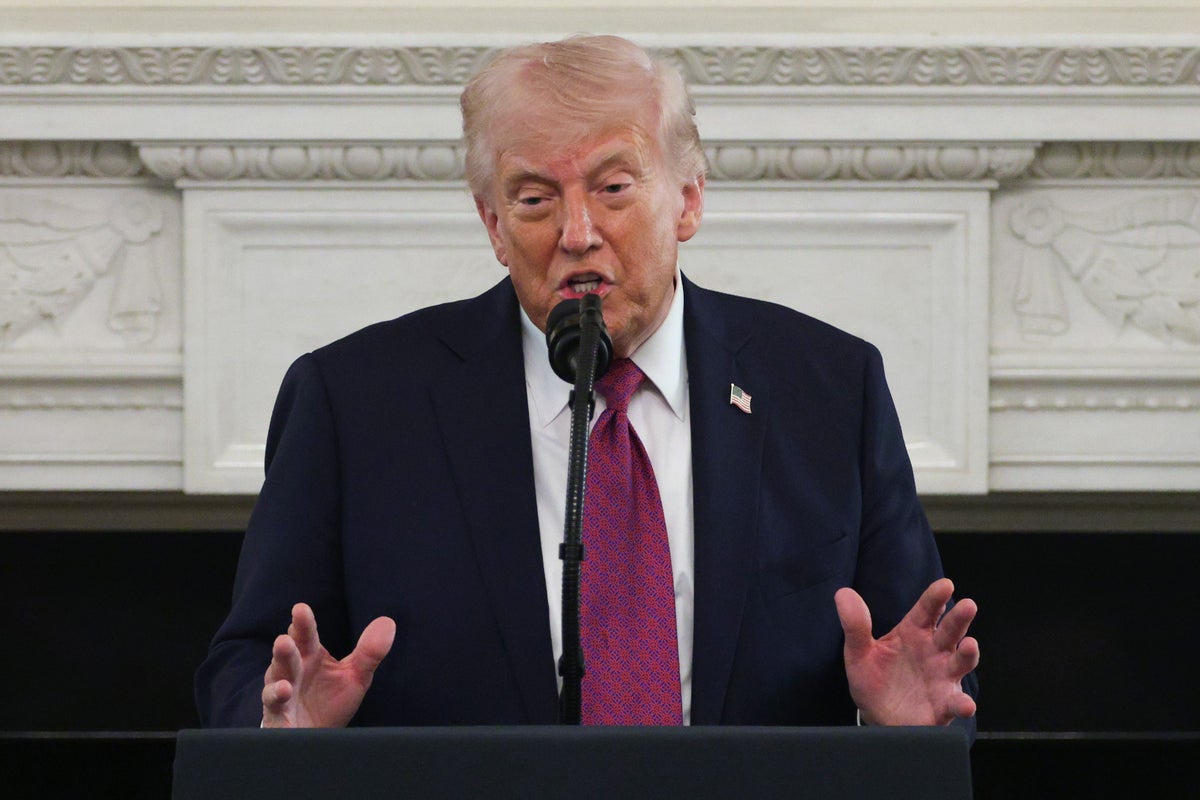
open image in gallery Economists have shifted their inflation estimates as President Donald Trump's war with Iran continues ( Getty Images )
Diane Swonk, chief economist at the professional services network KPMG, told the outlet: “The legacy effects of the war in Iran are going [to] take months — not weeks — to unwind, with echo effects well into the second half of the year.”
National average gas prices soared above $4 per gallon for the first time since 2022 last month, according to AAA. The national average now sits at $4.059 as of Friday.
Meanwhile, the Trump administration has offered conflicting predictions on when gas prices could fall.
Energy Secretary Chris Wright told CNN Sunday gas prices might not drop below $3 a gallon until next year. A day later, Trump told The Hill that Wright’s prediction was “totally wrong,” and that he expects prices to drop as soon as the war ends.
open image in gallery Gas prices have been on the rise as a result of the war with Iran ( Getty Images )
The air travel industry is also feeling the economic impacts of the war. Passengers should expect to pay more for airline tickets in the near future as companies contend with rising fuel costs, industry leaders have warned.
An AP-NORC survey published Tuesday found 76 percent of Americans disapprove of how Trump is handling the cost of living amid the war. The poll also revealed that 73 percent believe the current economy is “poor,” which is up from 66 percent two months ago.
As the war continues, the White House has maintained that rising prices are a “short-term disruption.”
“President Trump has always been clear about short-term disruptions as a result of Operation Epic Fury, disruptions that the Administration has been diligently working to mitigate,” White House Senior Deputy Press Secretary Kush Desai wrote in an April 10 social media post.
The Independent has contacted the White House for comment.