Supply chain disruptions are being prolonged driven largely by China's strict zero-Covid policy, according to an economist from Moody's Analytics.
The bottlenecks have lasted for about a year now but are expected to "materially ease in the early months of this year," said Katrina Ell, a senior economist for Asia-Pacific at Moody's Analytics.
"So we would start to see material downward pressure on things like producer prices, input prices that kind of thing. But given China's zero-Covid policy and how they tend to shut down important ports and factories — that really increases disruption," she told CNBC's "Squawk Box Asia" on Friday, adding it amplifies ongoing supply chain pressures.
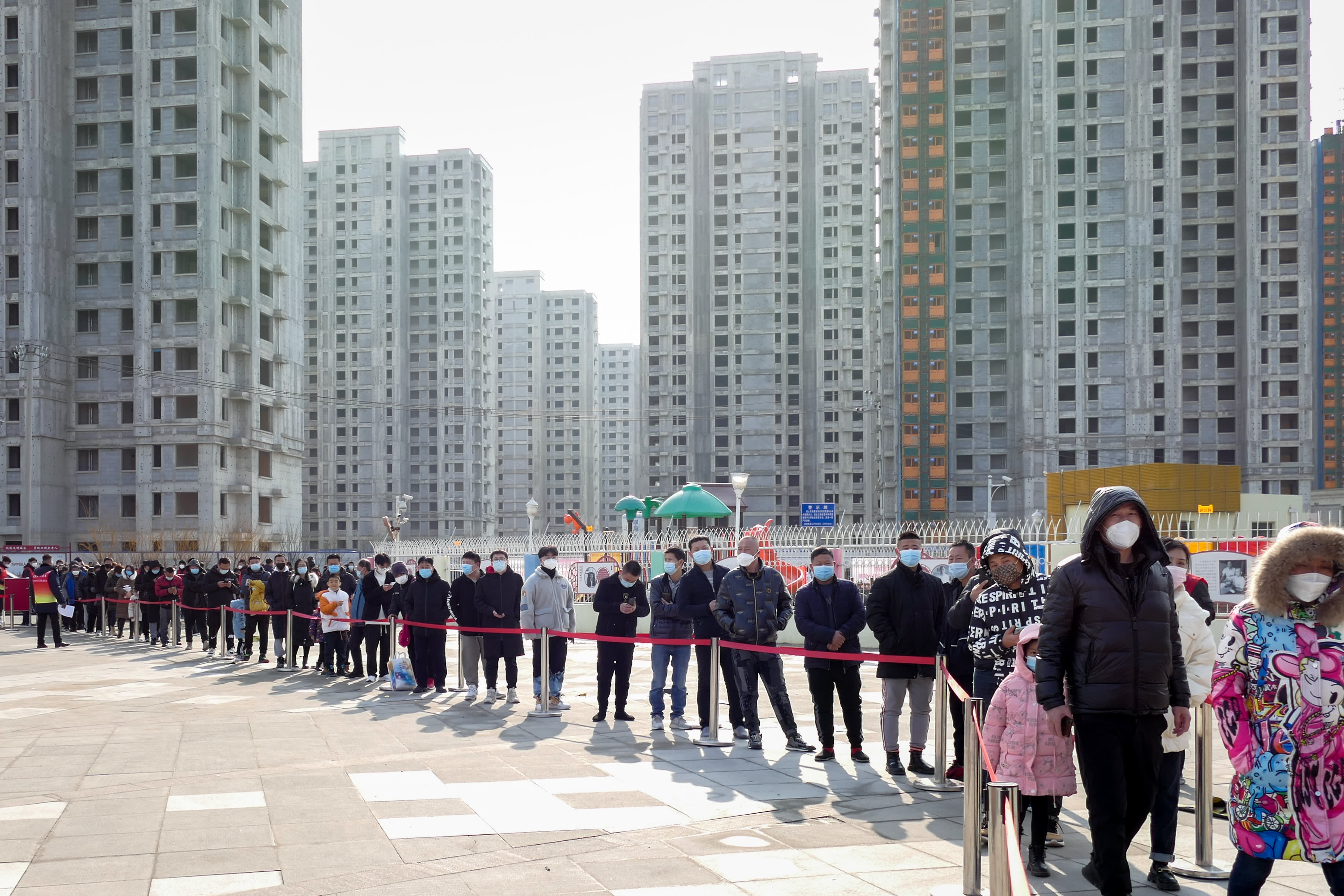
Beijing has imposed a strict zero-Covid policy since the pandemic began in early 2020. It entails strict quarantines and travel restrictions — whether within a city or with other countries — to control outbreaks.
Restrictions aimed at containing Covid-19 have impacted manufacturing and shipping operations globally, exacerbating the supply chain crisis. There have been renewed concerns that the highly infections omicron variant could also deal another blow to the shipping industry.
China's zero-Covid policy "really does increase the downside risks for material improvement in supply chains," Ell noted, saying there will be "important ramifications for inflation and also central bank policy-making in the next couple of months."
This is especially true given Beijing's economic weight and importance on the global stage.