The aim of this study was to collect and describe the existing experimental and clinical data concerning the therapeutic efficacy of plants and herbals in the human PC. We humbly anticipate that the content of this review could help the reader identify those plants and herbals having a scientifically proved antineoplastic action, and to easily separate the effective from the non-effective plant treatments. Another aim of this review was to force the health professionals, pharmaceutical companies, and health authorities to be aware of the necessity of performing clinical trials using plants, either alone or in combination with the conventional chemotherapy. We propose that medical schools should include at least some elementary data in their regular educational programs regarding the role of herbals and plants in various clinical disorders, including malignant neoplasms.
The most important aspect concerning the treatment of PC is the poor response to the currently available chemotherapy. However, many plants and herbals have been used for centuries in the treatment of PC. Based on accumulating clinical and experimental data, it seems that the traditional Chinese medicine, as well as many plants growing in other parts of the world, should attract more attention by the scientific community concerning their exact role in the treatment of these patients. During the last decade, a real explosion in the number and quality of experimental and, to a lesser degree, clinical studies exploring the role of plants and herbals in PC was noticed [ 9 ].
Pancreatic cancer (PC) represents the seventh most common cause of cancer-related mortality worldwide, with an average five-year survival rate of only 9%. According to GLOBOCAN 2018 estimates, PC caused 432,242 new deaths among 458,918 new cases that were reported during this year [ 1 ]. In the European Union, PC occupies the 4th position in cancer mortality [ 2 ]. It has been calculated that by 2040, the total number of cases in the European Union will increase by at least 30%. Even in Asia, the 5-year survival rate of PC is almost similar to that of the Western population: only 7.2% [ 3 ]. The exact etiology of this cancer remains unknown, although many factors have been proposed [ 4 ]. Genetic mutations, such as ofoncogene, inactivation of tumor-suppressor genes, telomere shortening, chromosomal loss, and gene amplification, have also been described and proposed. A meta-analysis revealed positive associations between PC risk and animal products, and starch-rich and Western dietary patterns. On the other hand, inverse associations between risk of PC and fruits, vegetables, vitamins (particularly vitamins D and B 5 ]), and fiber consumption [ 6 ] were noticed. Healthy drinking patterns may decrease the risk of PC, whereas heavy drinking may actually increase the risk [ 7 ]. Despite the fact that the management of PC has been remarkably improved, only 10% of PCs are resectable at the time of diagnosis [ 8 ].
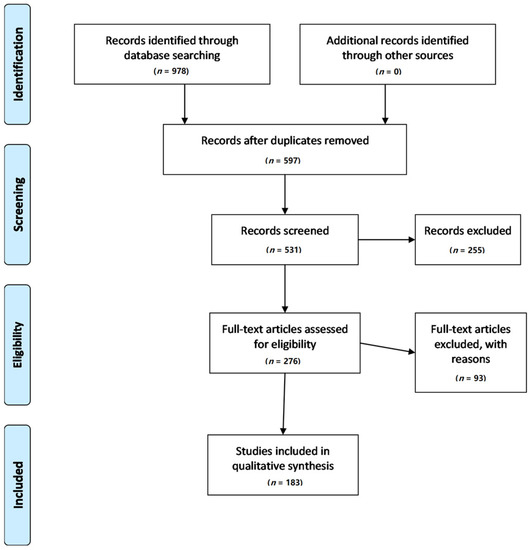
The study was conducted according to the PRISMA guidelines. We searched various international data bases, including PubMed, Web of Science, and Google Scholar, using the key words “plant”, “herbals”, “therapy”, “phytotherapy”, and “pancreatic cancer”. We also searched various other sources in order to obtain information concerning the physicochemical and other characteristics of the reported herbals and plants. All the in vivo and in vitro studies were identified and screened. Data were collected up to June 2021. The studies identified, either experimental or clinical, were categorized into five categories according to their subject and task: (i) clinical studies, e.g., studies exploring the role of certain plants in patients with PC; (ii) studies searching the role of herbals in PC stem cells; (iii) studies combining nanomedicine with herbals; (iv) studies investigating the role of combining plants with chemotherapy; and finally, (v) studies investigating the antiproliferative action of plants in PC cell lines, a category representing the great majority of the available studies. In order to help the reader see some of the details of one particular plant, the data were quoted in alphabetical order. An attempt was also made to include the chemical structure of the described plants and herbals, at least as a rough description, since the vast majority of plants and herbals consist of a large number of substances or groups of substances. In some of them, their chemical structure was described schematically. Flow information through the different phases of this systematic review is given in Figure 1
is a small shrub with small flowers and toxic fruits. It can be found in forests and on rocky, shrubby slopes in central and southeastern China, Vietnam, India, and the Philippines. It is an herb that has been used for a long time in traditional Chinese medicine. Four compounds, namely daphnoretin, chrysophanol, myricitrime, and rutin, were purified fromindica [ 203 ]. It has some side-effects, including dizziness, blurred vision, nausea, vomiting, abdominal distension and pain, and diarrhea. This plant has been used in clinical practice as an antipyretic, detoxicant, and expectorant. Chang et al. evaluated the in vitro cytotoxicity against PC cell lines of 26 compounds isolated from the roots of. Two compounds, namely 8 and 12, displayed preferential cytotoxicity in the nutrient-deprived medium, without causing toxicity in normal nutrient-rich conditions [ 176 ].
) is a traditional medicinal plant used in the treatment of a number of cancers in Vietnam. This plant contains saponins, phenolics, flavonoids, and proanthocyanidins equiv., 81.49 mg rutin equiv., and 58.08 mg catechin equiv. (per g dried extract, respectively) [ 202 ]. Chemical analysis ofleaves showed that total phenolic, total flavonoid, proanthocyanidin, and saponin contents were gallic acid, protocatechuic acid, ellagic acid, rutin, and quercetin. Powdered extract of theleaf exhibited anti-proliferative capacity against PC cell lines, being higher than those of ostruthin and gemcitabine.leaf extract represents a rich source of phytochemicals that possess antioxidant and anti-proliferative activities against PC [ 174 ].
is a natural product found in the female inflorescences of, also known as hops. It is a member of the class of chalcones that is trans-chalcone substituted by hydroxy groups at positions 4, 2′, and 4′; a methoxy group at position 6′; and a prenyl group at position 3′ [ 201 ]. Jiang et al. showed thatinhibited the growth of PC cells and their xenograft tumors by inducing cell cycle arrest and apoptosis via inhibition of phosphorylation of the signal transducer, activation of the transcription 3, and expression of its downstream-targeted genes cyclinD1 and Bcl-xL. Xanthohumol might be a promising therapeutic agent against PC. The STAT3 signaling pathway is its key molecular target [ 173 ].
, also known as valtric acid, is a novel epoxy iridoid ester isolated from the Chinese aromatic medicinal herb Valeriana jatamansi Jones, belonging in the class of organic compounds known as iridoids and derivatives [ 200 ]. It has been utilized for medicinal purposes in China and India for many years. Chen et al. showed that valtrate inhibited the growth of PC cells by inducing apoptosis and cell cycle arrest. Moreover, valtrate inhibited the tumor growth of the PC cell PANC-1 in xenograft mice by 61%. The underlying mechanisms include an increase of the expression of Bax, suppression of Bcl-2, c-Myc and Cyclin B1, inhibition of the transcriptional activity of Stat3, and decrease in the expression of Stat3 [ 172 ].
Hook F is a vine plant, used widely in China as a herbal medicine. The main bioactive ingredients ofmay be alkaloids, which, may account for its pharmacological properties. This herbal has anti-inflammatory, anticancer, and antibacterial activities, as well as beneficial effects on immune disorders. Zhao et al. recently performed network pharmacology onusing Traditional Chinese Medicine Systems Pharmacology and Gene Cards databases [ 171 ]. They screened out 22 ingredients and 25 target genes associated with PC. They found that triptolide-plasminogen activator urokinase could represent a novel target for patients with PC.
is a triterpenoid extracted from Melia toosendan Sieb et Zucc, used as a digestive tract-parasiticide in ancient China.has a marked antibotulismic effect both in vivo and in vitro. Finally,can induce apoptosis in several cell lines, and suppress the proliferation of various human cancer cells [ 169 ]. Pei et al. found thatsuppressed the viability and growth, as well as the migration and invasion of PC cells. Furthermore, toosendanin repressed xenograft tumor growth in mouse PC models. The substance has no significantly toxic side-effects.inhibits PC cell growth by blocking the Akt/mTOR signaling pathway [ 170 ].
is an abietane diterpenoid natural product acting as an antiviral and antineoplastic agent, and as an antioxidant and radical scavenger. Hao et al. evaluated the anticancer activity of sugiol, and observed that sugiol reduced the cell viability of human PC cells through reactive oxygen species-mediated alterations in mitochondrial membrane potential, ultimately leading to apoptosis. Sugiol also caused cell cycle arrest in the G2/M phase, and up-regulated the expression of Bax, with down-regulation of Bcl-2 expression, indicating that it could be a potent molecule against PC [ 167 ].
extract, a traditional Chinese herbal medicine, contains multiple active chemical components, including tricin-7-O-b-dglucoside, isorhamnetin, quercetin, and kaempferide [ 198 ]. This herbal has been used in a variety of clinical disorders, including liver diseases and other inflammatory situations. It has recently been used to treat tubulointerstitial damage in kidneys following injury [ 199 ]. However, the role of this extract has never been tested in PC. In this regard, Bai et al. showed that theextract inhibited cell growth, accompanied by down-regulated expression of proliferating cell nuclear antigen, and increased cellular apoptosis in a mitochondrial-dependent manner. Moreover,extract induced p53 expression, and inhibited epithelial-mesenchymal transition through down-regulation of the proliferation-related hedgehog signaling pathway. In animal xenograft models of PC,extract suppressed the growth of pancreatic tumors [ 166 ].
is an annual plant growing in China belonging to thefamily. This herbal medicine has been used in the treatment of hepatitis, as well as in breast, liver, and gastric cancer.consists of more than fifty chemical constituents, in four classes, namely terpenoids, phenolic acids, flavonoids, and dibenzylcyclooctadiene lignans [ 164 ]. Zhao et al. demonstrated that Salvia chinensis induced potent cytotoxicity in the MiapaCa-2 human PC cells. Under fluorescence microscopy, morphological features of apoptosis in the PC cell lines following treatment with the extract were also detected [ 165 ].
represents the dried root of. This plant has been extensively used in several Asian countries as an effective antinflammatory agent. Its root, known as, is the source of the Chinese medicinefor various clinical disorders. The main compounds responsible for the biological activity of skullcaps are flavonoids. Six flavones have proven to be the major bioactive flavones existing in the forms of aglycones and glycosides [ 162 ]. In a recent study, Liu et al. investigated the mechanisms of the total flavonoid aglycone extracted fromin inducing autophagy and apoptosis in PC cells in vitro and in vivo. In the in vitro experiments, they showed that total flavonoid aglycone extracted exhibited an anti-tumor activity, and induced apoptosis and autophagy in PC cell lines through the PI3K/Akt/mTOR signaling pathway. In the in vivo studies, they showed that 150 mg/kg of total flavonoid aglycone extracted inhibited the BxPC3 tumor growth in immune deficient mice, and induced both apoptosis and autophagy [ 163 ].
represents one of most effective biopolyphenols chemicals present in several plants that have antioxidative and anti-inflammatory actions. Quercetin has been used as an adjunctive drug to PC treatment, acting through inhibition of autophagy and apoptosis oxidative stress, and enhancing the sensitivity to chemotherapy agents [ 160 ]. Borska et al. demonstrated thatexerted cytotoxic action on two neoplastic cell lines. In the EPP85-181RDB cell line,sensitized resistant cells to daunorubicin, suggesting that it could break the resistance of neoplastic cells to chemotherapy [ 161 ]. This synergistic effect might allow the reduction in the total dose of the antineoplastic drug, thus reducing the rate of possible treatment side-effects. It can be used, therefore, as a supplementary drug to patients with PC.
has been used as a traditional medicine for the treatment of a number of pathological situations in Korea. Phytochemical studies demonstrated the presence of protoanemonin, deoxypodophyllotoxin, oleanane, and 33 upine-type triterpenoid saponins onroots [ 196 ]. Son et al. showed that SB365 (saponin D isolated from the root of) suppressed the growth and proliferation of human PC cell lines by inducing apoptosis through an increase in the levels of cleaved caspase-3, and a decrease in the Bcl-2 expression. SB365 exerted also a significant anti-angiogenic effect. Finally, SB365 inhibited tumor growth through the induction of apoptosis, and inhibition of angiogenesis in an in vivo mouse xenograft [ 159 ].
is a standardized whole-fruit extract of pomegranate, which is a fruit rich in polyphenols, organic acids, sugars, polysaccharides, and minerals [ 195 ]. This extract exhibits strong antioxidant activity, having anticancer properties also. Nair et al. used PANC-1 and AsPC-1 human PC cells to test the effects of. It was shown thatinduced cell cycle arrest, and inhibited cell proliferation in PANC-1 cells. It is of interest thatwas more effective in inhibiting the proliferation of PANC-1 cells than the clinically used dose of paclitaxel [ 158 ]. It is possible that unidentified phytochemicals are responsible for the inhibitory effect of
During recent years, a medicinal plant rich in saponins (more than 500 mg EE/g dried sample) named Xao tam phan (Guillaum) has been used in cancer prevention and treatment [ 154 ].a small herb belonging to the family, is used widely, especially in Indian Ayurvedic medicine, for a number of pathological conditions [ 155 ]. Nguyen et al. assessed the cytotoxic activity of extracts and fractions from theandagainst two PC cell lines. The root ofand the whole plant ofwere used. The findings revealed an impressive cytotoxic capacity of theextract against both PC cell lines in a range of concentrations, which was higher than those of gemcitabine. In contrast, the cytotoxic capacity of theextract was significantly lower than that of gemcitabine. The ICvalues of theextract were lower than that of theextract [ 156 ].root extract could be a source for the development of new drugs against PC.
Palm oil and its components are increasingly used in foods such as cooking oils, margarines, shortenings, and confectionery products. It contains 50% saturated fatty acids, 40% monounsaturated fatty acids, and 10% polyunsaturated fatty acids [ 193 ]. Oil palm phenolics have been shown to have anti-carcinogenic activities. By using two PC cell lines, Ji et al. showed that oil palm phenolics suppressed PC cell proliferation. Oil palm phenolic-induced apoptosis was associated with a decrease in Bcl-XL expressions, and increased cleaved caspase-3, caspase-9, and PARP expression, thus confirming the anti-tumor effects of these substances [ 153 ].
Olives contain more than 100 different biophenols, the most important being hydroxytyrosol and tyrosol, as well as their secoiridoid derivatives, verbascoside, lignans, and flavonoids. The main pharmacological studies reported so far have dealt with the antioxidant, anti-inflammatory, cardiovascular, immunomodulatory, gastrointestinal, respiratory, antimicrobial, anticancer, and chemopreventive properties of these biophenols. As far as their safety is concerned, these products are generally considered safe, although further studies are needed. The olive biophenols, oleuropein, hydroxytyrosol, and tyrosol, showed cytotoxicity towards cancer cells without affecting normal cells. In a recent study, the authors treated PC cells and non-tumorigenic pancreatic cells with oleuropein, hydroxytyrosol, and tyrosol. They found that oleuropein displayed selective toxicity towards MIA PC cells and hydroxytyrosol towards MIA PC and HPDE cells. Furthemore, oleuropein and hydroxytyrosol induced apoptosis in MIA PC cells [ 149 ].
(“Holy Basil”) has been used in traditional Indian medicine in a variety of clinical situations. The chemical composition of Holy Basil, also known as tulsi, is highly complex, containing many nutrients and other biologically active compounds, the proportions of which may vary considerably [ 192 ]. Shimizu et al. showed that extracts of Ocimum sanctum leaves can inhibit the proliferation, migration, invasion, and induce apoptosis of PC cells in vitro. Intraperitoneal injections of the aqueous extract ofinhibited the growth of orthotopically transplanted PC cells. Mice treated withextracts exhibited up-regulation of E-cadherin, and induction of apoptosis, whereas genes that promote survival and chemo/radiation resistance were down-regulated [ 147 ].
Obacunone is one of the oxygenated triterpenoids found in rutaceae family. It has many biological actions, including antiproliferative activities against cancer cells. Chidambara et al. investigated the antiproliferative action of obacunone on cultured PC cells. The plant induced the inhibition of Panc-28 cell proliferation in a dose- and time-dependent manner, with a concurrent induction of apoptosis. The plant was able to up-regulate the expression of p53 and pro-apoptotic protein Bax, and down-regulate the Bcl2, NFκB, and Cox-2 [ 146 ].
Nimbolide is a triterpenoid extracted from the flowers of, which is a tree native to the Indian subcontinent. It represents a major component in Siddha and Unani medicine. Products made from this tree have been used in India for their anthelmintic, antifungal, antidiabetic, antibacterial, antiviral, contraceptive, and sedative properties. Neem leaves have also been used for various skin disorders, such as eczema and psoriasis. In adults, short-term use is probably safe, although long-term use may be toxic for the liver and kidneys. Subramani et al. assessed the anticancer properties of nimbolide against PC. They showed that nimbolide induces the generation of reactive oxygen species, thereby regulating both apoptosis and autophagy in PC cells. Nimbolide-mediated reactive oxygen species generation inhibited proliferation and metastasis via mitochondrial-mediated apoptotic cell death. In in vivo experiments, nimbolide was effective in inhibiting PC growth and metastasis [ 145 ].
is a seedless citrus species grown in Japan, Spain, central China, Korea, the USA, South Africa, and South America. The chemical constituents of theinclude γ-terpinene 2-β-pinene 1-methyl-2-isopropylbenzene L-limonene β-ocimene and α-pinene [ 191 ]. Lee et al. showed that the combined treatment of naringenin and hesperetin inhibited the growth and the migration of human PC cells compared to separate treatment with naringenin or hesperetin, through the induction of caspase-3 cleavage [ 143 ]. Moreover, combined treatment inhibited the phosphorylation of focal adhesion kinase and p38 signaling compared with separate treatment. In in vivo xenograft models, the combination treatment again showed an anti-growth effect.
, an alkaloid extracted from the Chinese herb of the genus Sophora flavescens, has exhibited a variety of pharmacological effects, including anti-proliferative and pro-apoptotic properties.and the related compound oxymatrine act as a nematicide against a variety of nematodes [ 142 ]. Liu et al. showed in in vitro assays, that matrine inhibited cell viability by down-regulating the expression of PCNA, and induced cell apoptosis by reducing the ratio of Bcl-2/Bax, up-regulating Fas, and increasing activation of caspases-8, -3, and -9. In the in vivo model,inhibited tumor growth, and regulated the tumoral gene expression [ 190 ].
It has previously been described that the combination ofwith radiation excibits an additional inhibitory effect by overcoming the radioresistance of PC cells [ 61 ]. In this study, the authors investigated the effect of aqueousleaf extract on cultured human PC cells. They found that this extract inhibited the growth of all PC cell lines, and enhanced the cytotoxic effect of cisplatin on PC cell lines [ 141 ].leaf extract inhibits the growth of PC cells and the cells’ NF-κB signaling pathway, and increases the efficacy of chemotherapy with cisplatin in human PC cells.
) is a citrus fruit, having antineoplastic properties. Thirty-three chemical compounds were identified, with-limonene forming the major constituent. Other prominent constituents include 3,7-dimethyl-2,6-octadien-1-ol geraniol-citral-citral and β-ocimene [ 189 ]. Patil et al. extracted the bioactive compounds of Mexican lime (neohesperidin, hesperidin, and hesperitin) using different solvents. They showed that limonoids identified (limonexic acid, isolimonexic acid, and limonin) inhibited PC-28 growth. Furthemore, the induction of apoptosis was confirmed by the expression of Bax, Bcl-2, casapase-3, and p53, indicating that antioxidant activity depends on the flavonoids, whereas the inhibition of proliferation depends on the content of both flavonoids and limonoids [ 140 ].
, commonly known as mango, is a species of flowering plant in the sumac and poison ivy family. Mango components can be grouped into macronutrients (carbohydrates, proteins, amino acids, lipids, fatty, and organic acids), micronutrients (vitamins and minerals), and phytochemicals (phenolic, polyphenol, pigments, and volatile constituents). Mango fruit also contains structural carbohydrates, such as pectins and cellulose. The most important organic acids include malic and citric acids [ 188 ]. It has been shown that different parts of the mango tree have different therapeutic properties. Nguyen et al. found that a methanol extract of the bark ofcould inhibit the survival of human PC cells under nutrient-deprived conditions without an apparent toxicity. This methanol extract was found to consist of 19 compounds [ 139 ].
is a widespread plant species belonging in the sunflower family. It is native in Eurasia, Spain, and Xinjiang Province in western China. The constituents ofare sesquiterpene lactones eudesmanolides, having anticancer, anti-inflammatory, antimicrobial, antiproliferative, and cytotoxic properties. Sesquiterpenoids contain thousands of compounds, and have been described as the active components of various medicinal plants used in traditional medicine. Zhang et al. showed that low concentrations of the extract ofcaused cfpac-1 cell cycle arrest, whereas high concentrations induced mitochondria-dependent apoptosis. In addition, ethyl acetate extract ofinhibited the phosphorylation of the signal transducer and activator of the transcription (stat)3/akt pathway [ 136 ].
Green tea polyphenols have been shown to exhibit multiple antitumor activities in various cancers. Zhang et al. showed that green tea extract inhibited molecular chaperones heat-shock protein 90, its mitochondrial localized homologue Hsp75, and heat-shock protein 27, concomitantly. Furthermore, green tea extract inhibited Akt activation and the levels of mutant p53 protein, and induced apoptosis and growth suppression of the cells. The authors of this study discovered new molecular targets of the green tea extract, and provided further evidence on the activity of green tea in PC [ 134 ].
The tropical tree, commonly known as graviola, has been shown to have some anticancer properties. More than 200 chemical compounds have been identified and isolated from this plant; the most important being alkaloids, phenols, and acetogenins [ 185 ]. Torres et al. showed that graviola extract induced necrosis of PC cells by inhibiting cellular metabolism, and down-regulating the expression of NFκB [ 133 ]. In vitro functional assays confirmed the inhibition of growth of PC cells, suggesting that graviola extract is able to inhibit multiple signaling pathways regulating metabolism, survival, and metastatic potential of PC cells.
It has been found that in vitro treatment of human PC cells with proanthocyanidins from grape seeds resulted in a significant reduction in the cell viability, as well as a significant increase of G2/M phase arrest, induction of apoptosis, decrease in the levels of Bcl-2 and Bcl-xl, and increase in the levels of Bax and activated caspase-3. On the other hand, in vivo experiments using diet supplementation with proanthocyanidins from grape seeds on Miapaca-2 pancreatic tumor xenografts grown subcutaneously in athymic nude mice resulted in reduction of tumor growth, increased expression of Bax, reduction of anti-apoptotic proteins, and activation of caspase-3-positive cells [ 132 ].
Ginkgolic acid is a botanical drug extracted from the seed coat ofL., harboring anti-tumor effects. It has been used for centures in China and in Europe (Germany) some decades ago, in the treatment of Alzheimer’s disease. However,leaf extracts may have undesirable effects in patients taking anticoagulants. Other side-effects include nausea, vomiting, diarrhea, headache, dizziness, and heart palpitations. It should be avoided during lactation. Ma et al. showed thatleaf extracts reduced the viability of cancer cells without toxic effects on normal cells.leaf extracts also impaired colony formation, migration, and invasion ability, and increased apoptosis of cancer cells through the activation of AMP-activated protein kinase signaling and down-regulation of the expression of key enzymes involved in lipogenesis [ 131 ].
Ginger is a plant native to warmer parts of Asia, but now is growing also in parts of South American and Africa. It is likely safe when taken appropriately, although it can cause mild side-effects, including heartburn, diarrhea, abdominal discomfort, and extra menstrual bleeding. Ginger spice comes from the roots of the plant. The extract of ginger and its major pungent components have an anti-proliferative effect on several tumor cell lines. Akimoto et al. demonstrated that the ginger ethanol-extracts suppressed cell cycle progression, and increased the death of human PC cell lines by inducing autosis, a form of cell death. Daily intraperitoneal administration of the extract prolonged survival in a peritoneal dissemination model, and suppressed tumor growth in an orthotopic model of PC [ 130 ].
is a tetranortriterpenoid isolated from the Indian neem tree. It has been used for the treatment of malaria and other infectious diseases in traditional Indian medicine. In addition,has demonstrated antiproliferative activity against various cancer cell lines. Subramani et al. assessed the anti-metastatic potential ofon PC cells using matrigel invasion, cratch, and soft agar colony formation assays. They found thattreatment was highly effective in inducing the apoptosis of PC cells. Furthermore,inhibited metastasis of PC cells by decreasing their invasive, migratory, and colony formation capabilities [ 129 ].
Garlic () represents a species in the onion genus,. An inverse association between garlic intake and gastric cancer was previously suggested. A number of side-effects, including gastrointestinal discomfort, sweating, dizziness, allergic reactions, bleeding, menstrual irregularities, and bad breath (halitosis), have been described. Wang et al. investigated a novel garlic active component (S-propargyl-L-cysteine), and showed that this substance reduced cell viability and colony formation, inhibited cell proliferation, and induced G2/M phase cell cycle arrest and apoptosis in human PC cells. It also inhibited tumor growth in Panc-1 xenografts by regulating the JNK protein levels [ 127 ]. Lan et al. [ 128 ] observed morphologic changes of PC cells under transmission electron microscopy after treatment with garlic oil for 24 h. In the higher garlic oil concentrations, an earlier change of the apoptotic tendency was detected.
The genus Ferula comprises more than 170 species worldwide, of which 30 grow in Iran. These plants have been used traditionally for treating skin infections and stomach disorders. So far, there is a lack of phytochemical investigations of this plant. Alilou et al. isolated and evaluated 18 compounds, and found that the dichloromethane extract of the roots of Ferula hezarlalehzarica is a rich source of bioactive compounds for targeting PANC-1 cells [ 125 ].
Eucalyptus is a genus of over seven hundred species of flowering trees, shrubs, or mallees in the myrtle family commonly known as eucalypts. Although eucalyptus mainly grows in Australia, other species are now distributed globally. Being a natural insecticide, it can indirectly reduce the risk of malaria. Eucalyptus oils have been used in the pharmaceutical and cosmetics industries for multiple purposes. It has been used for the treatment of flu, fever, muscular aches, sores, pains of various origin, and inflammation. Eucalypts have been linked with cytotoxic and anticancer properties, although little scientific evidence exists [ 122 ]. Bhuyan et al. assessed the anticancer properties of aqueous and ethanolic extracts of four Eucalyptus species, and found these exctracts inhibited the growth of PC cells by more than 80% at 100μg/mL. Caspase 3/7-mediated apoptosis and morphological changes of cells were also witnessed in MIA PaCa-2 cells [ 123 ]. In a subsequent study [ 124 ], the same group of investigators found thatextract exerted a greater cell growth inhibition followed by A. hispida in MIA PC-2 cells.
represents a genus of flowering plants belonging to the family, with a global distribution. Eryngium contains several chemical constituents, including sesquiterpenes and monoterpenes as the main components, as well as aldehydes, coumarins, sitosterols, and sugars. They are annual and perennial herbs with spiny leaves. Some species are native to rocky and coastal areas, but the majority of them are grassland plants. Many species ofhave been used in food and medicine against diabetes mellitus, and as an antiinflammatory agent [ 120 ]. Roshanravan et al. have shown thatextracts had cytotoxic effects on PANC-1 cancer cell lines, and induced apoptosis [ 121 ]. Moreover, treatment of cancer cells with dichloromethane and n-hexane extracts ofinduced the overexpression of Bax and underexpression of cyclin D1.
is a natural polyphenol antioxidant found in a number of plants and fruits. This chemical substance is considered to be a dietary supplement with antineoplastic characteristics. However,has been characterized by the USA FDA as a “fake cancer cure’”. It has been suggested that urolithin A, microflora metabolites of dietary ellagic acid derivatives, might have anticancer effects. Zhao et al. showed that treatment of PANC-1 xenografted mice withresulted in a significant inhibition in tumor growth; suppression of cell proliferation and caspase-3 activation; induction of PARP cleavage; inhibition of the expression of Bcl-2, cyclin D1, CDK2, and CDK6; and induction of the expression of Bax in tumor tissues. Other effects included the inhibition of angiogenesis and metastasis in tumor tissues [ 117 ]. In a more recent study, Cheng et al. found thatsignificantly inhibited human PC PANC-1 cell growth, cell repairing activity, and cell migration and invasion. On the other hand, treatment of PANC-1 xenografted mice withresulted in a significant inhibition in tumor growth, and prolongation of the mice survival rate. [ 118 ]. The use ofwould be beneficial for the management of PC.
Elemenes are a group of chemical compounds found in a variety of plants. Chemically, they are structural isomers of each other, and are classified as sesquiterpenes. They could be found in a variety of medical plants. Bearing in mind the antiproliferative effects of this compound, Long et al. investigated different doses of elemene in mice undergoing subcutaneous xenograft with BxPC-3 PC cells. In the in vitro experiment, a significant antiproliferative effect of BxPC-3 and Panc-1 cells was observed. In the in vivo BxPC-3 xenografts, elemene decreased the tumor size, up-regulated the expression of P53, and down-regulated the expression of Bcl-2 in the tumor [ 116 ]. The mechanisms of action against PC are related to down-regulation of the expression of Bcl-2, and up-regulation of the expression of P53.
Pyruvate dehydrogenase kinase 4 expression is up-regulated in various cancer tissues, being a suitable target for cancer therapy given its ability to shift glucose metabolism. Tambe et al. identified natural diterpene 25 signaling (KIS compounds) that inhibits pyruvate dehydrogenase kinase 4. They showed that KIS37 (cryptotanshinone) inhibited KRAS-activated human PC cell lines, and suppressed KRAS protein expression. Furthermore, KIS37 suppressed phosphorylation of Rb and cyclin D1 proteins, as well as the expression of cancer stem cell markers. KIS37 also suppressed PC cell growth in both subcutaneous xenograft and orthotopic pancreatic tumor models [ 115 ]. Therefore, KIS37 should be considered as a novel therapeutic strategy for targeting PDK4 in KRAS-activated PC.
is a species in the genus, native to Eurasia, and introduced in America, Australasia, and South Africa.is a widely used plant in oriental medicine, considered to have anticancer, antioxidant, anti-inflammatory, hepatoprotective, diuretic, and antipyretic properties. However, ripe berries can cause symptoms such as fever, sweating, vomiting, abdominal pain, diarrhea, confusion, and drowsiness. Death after ingesting large amounts of the plant has been observed.solasodine a steroidal glycoside isolated fromwhich showed cytotoxicity, and induced apoptosis in PC cell lines. It also inhibited EGF-induced proliferation and migration, and induced down-regulation of cyclin D1. Furthemore, it inhibited EGF-induced phosphorylation of EGFR, as well as activation of EGFR downstream signaling molecules [ 114 ].
The structure ofhas been proved to be one of the type 1 ribosome-inactivating proteins. Xie et al. established an NOD-SCID mice orthotopic transplantation model, and estimated the proliferation inhibition effect ofin SW-1990 cells in vivo.inhibited the proliferation of PC cells, and induced apoptosis in a dose- and time-dependent manner. In the NOD-SCID mice models, the tumor proliferation inhibition rates were increased compared with controls. Cucurmosin inhibited the examined proteins in the PI3K/Akt/mTOR signaling pathway, and induced active fragments of Caspase 3 and 9 [ 112 ]. Cucurmosin can inhibit the growth and induce apoptosis of the human PC cell line SW-1990 both in vitro and in vivo.
is a perennial plant of the genus. The chemical compositions of this herb are hydrophilic phenolic compounds and lipid-soluble diterpenoid compounds that are responsible for its pharmacological activities. The tanshinones inare diterpenoid quinones, which can be classified into two series, one is the phenanthro [1,2-b] furan-10,11-diones; and the other is the phenanthrol [3,2-b] furan-7, 11-diones. Alone or combined with other herbal medicines,has been used in China as a treatment for cardiovascular and cerebrovascular diseases, although a number of meta-analyses suggest that the effects of the plant are inconclusive. Adverse effects may include allergic reactions, dizziness, headache, gastrointestinal complaints, and bleeding in patients taking warfarin.may have anti-hypertensive and anti-platelet aggregation effects, and may enhance endogenous anti-oxidative enzyme activities. Cryptotanshinone, one of the active constituents of, has been shown to exhibit significant antitumor effects in several cancer cells [ 109 ]. Ge et al. demonstrated that cryptotanshinone inhibited proliferation, and induced cell apoptosis and cell cycle arrest in PC cells. In addition, cryptotanshinone decreased the activities of signal transducer, as well as several upstream regulatory signaling pathways [ 110 ].
Cordyceps militaris is a species of fungus in the family Cordycipitaceae. It represents an entomopathogenic fungus, which is widely used in traditional Chinese medicine as a general booster for the nervous system, metabolism, and immunity. A variety of substances, including saccharides, nucleosides, mannitol, and sterols, have been isolated from this fungus. The biological activity of Condyceps militaris is attributed to the saccharide and nucleoside contents. In a recently published study, Li et al. demonstrated that Cordycepin inhibits PC growth in vitro and in vivo via targeting FGFR2, and blocking ERK signaling [ 107 ].
Cloves are the aromatic flower buds of a tree in the family Myrtaceae,. They are native in Indonesia, used as a spice. Clove oil containing eugenol could be effective in pain of various origins, although no supporting data exist. Again, inconclusive results were obtained from studies investigating its efficacy in fever and diabetes. Therefore, the use of cloves for any medicinal purpose has not been approved by the FDA of the USA. Some side-effects have also been described in patients suffering from liver, and blood clotting and immune system disorders. However, in the study of Li et al., the aqueous extract of cloves inhibited cancer cell growth, and diminished the colony formation on several cancer cell lines, including human PC cells. An in vivo study revealed that aqueous extract of cloves inhibited the tumor growth in a HT-29 xenograft mice model by inducing cell autophagy [ 105 ].
, 1 of the more than 900 citrus species known today, is a seedless, easy to peel tangerine, coming from the Japanese town, Satsuma. The chemical constituents of theinclude γ-terpinene (24.7%), 2-β-pinene (16.6%), 1-methyl-2-isopropylbenzene (11.5%), L-limonene (5.7%), β-ocimene (5.6%), and α-pinene (4.7%) [ 182 ]. Lee et al. prepared a fermented extract of Citrus unshiu peel from the byproduct after juice processing, and examined its anticancer effects on PC cells. They found that fermentedmainly consists of aboriginal compounds (narirutin and hesperidin), as well as newly generated compounds (naringenin and hesperetin). Treatment with fermentedpeel inhibited the growth of human PC cells through the induction of caspase-3 cleavage both in vitro and in vivo. Moreover,also blocked the migration of the PC cells through the activation of intracellular signaling pathways [ 104 ]. Naringenin and hesperetin were the unique modules related to its anticancer effect. In in vivo xenograft models, fermented Citrus unshiu peel also showed anticancer effects, suggesting that this product might be an effective anticancer drug for PC with no side-effects.
Cannabinoids are chemicals found in cannabis. Phytocannabinoid tetrahydrocannabinol represents the primary psychoactive compound of cannabis. There are at least 113 different cannabinoids isolated from cannabis, exhibiting varied therapeutic effects, including improvement of the outcome of cancer patients. In vitro studies have shown that cannabidiol has antiproliferative and proapoptotic effects mediated through cannabinoid receptor-1 and -2, and G-protein-coupled receptor 55 pathways. In vitro studies with cannabidiol, tetrahydrocannabinol, and synthetic derivatives also demonstrated tumor growth-inhibiting effects. The combination of cannabidiol cannabidiol/synthetic cannabinoid receptor ligands and chemotherapy in xenografts showed positive results [ 103 ].
is a shrub belonging to the family, growing naturally in a number of countries, including Sri Lanka and India to China, Malesia, New Guinea, and Australia. The fruitcontains quassinoid compounds that have anticancer and antiparasitic properties.oil emulsion has been employed as adjunctive therapy for the treatment of various cancers. The mechanisms of antitumor activity may include inhibition of DNA polymerase activity, arrest of the tumor cell division cycle, disruption of the cellular energy metabolism, and depression of the expression of vascular endothelial growth factor. Liu et al. showed thathas a potent cytotoxic effect on PC cell lines.induces cytotoxicity in Capan-2 cells via the induction of cellular apoptosis involving the mitochondrial pathway. The antiproliferative effects ofwere comparable to those exhibited by camptothecin and gemcitabine. Finally, the expression of both caspase 9 and caspase 3 in BD-treated Capan-2 cells was accentuated [ 101 ].oil emulsion can effectively reverse the multidrug resistance of tumor cells, thus increasing the sensitivity of cancer cells to chemotherapy and radiotherapy. Yang et al. found that the combination of Brucea javanica with gemcitabine in a PC patient-derived orthotopic xenograft mouse model resulted in a reduced tumor growth rate, and increased apoptosis compared to the vehicle control and gemcitabine alone, as well as increased survival. Taken together, all of these results unequivocally indicate that this plant has a therapeutic potential for PC [ 102 ].
Gum resins fromspecies have been used in Ayurvedic and Chinese medicine in a number of clinical applications, including for malignant disorders. Ni et al. showed that crude essential oil prepared from hydrodistillation ofgum resins could reduce viability, and increase cancer cell death. Human PC cells showed reduced viability, and increased death after treatment with fractions III and IV.essential oil Fraction IV also exhibited anticancer activities against PC in the heterotopic xenograft mouse model [ 100 ]. Although the responsible chemical compounds were not identified,gum resins are promising agents for the treatment of PC.
is a medicinal herb growing mainly in China and Southeast Asia. Nearly a hundred compounds were isolated and elucidated, includung flavonoid and chalcone derivatives, esters, kawains, terpenes, and terpenoids. It is specifically used as a spice, or as a flavoring agent, or in traditional medicine in patients with liver cirrhosis. Its rhizomes have been used in various disorders, including oral eczema, ulcers, and dry mouth. Its extracts improve candidiasis, especially in patients with HIV infection, dysentery, and abdominal pain. A recently described observation, according to which human PC cell lines exhibit a significant tolerance to nutrition starvation agents that could inhibit the survival of cancer cells under low nutrient conditions, might be a very interesting novel strategy in the treatment of PC. In this regard, Nguyen et al. tested an extract of the rhizomes ofagainst human PC cells under nutrient-deprived conditions. They showed that the isolates isopanduratin A1 and nicolaioidesin C exhibited the strongest cytotoxicity against human PC cells under nutrition-deprived conditions [ 99 ].
BRM270 is a natural compound used in Asian traditional medicine, made from seven herbal plant extracts (Saururus chinensis, Citrus unshiu Markovich, Aloe vera, Arnebia euchroma, Portulaca oleracea, Prunella vulgaris var. lilacina, and Scutellaria bacicalensis). BRM270 is considered to be the most important phytochemical extract that possesses anticancer properties, although its low bioavailability makes the administration of high dosages necessary in order to obtain positive results. Huynh et al. investigated the effect of BRM270 on the isolated surface market CD44 positive PC cells. They showed that BRM270 induced apoptosis in these cells, and inhibited metastasis traits via the sonic hedgehog signaling pathway. Moreover, in an in vivo experiment, tumor growth derived from CD44PDAC was suppressed [ 97 ]. It seems that the administration of this phytochemical extract selectively targeting CD44PDAC cells in tumors might be an effective approach against pancreatic tumorigenesis. BRM270 also has the advantage of being effective in PC cells resistant to paclitaxel and gefitinib [ 98 ].
Apigenin (4′,5,7-trihydroxyflavone), a natural product found in many fruits and vegetables, mainly in the flowers of chamomile plants, belongs to the flavone class. Johnson et al. investigated the inhibitory effects of the citrus fruit bioactive compounds, namely flavonoids, limonoids, phenolic acids, and ascorbic acid, on human PC cells. Apigenin showed strong anticancer activity through the induction of pancreatic cell death arrest of the cell cycle at the G2 /M phase, and activation of the mitochondrial pathway of apoptosis. Apigenin could also up-regulate the expression of a number of cytokine genes in BxPC-3 cells [ 93 ]. Moreover, apigenin has been shown to sensitize PC cells to chemotherapy by affecting a number of molecular pathways [ 94 ].
is the name of flowering plants growing in the tropics. The active ingredient is michellamine B, an isoquinoline alkaloid that can be found in the mature leaves. A number of other alkaloids have also been isolated that display strong cytotoxic activities against PC cell lines in nutrient-deprived media, without toxicity in normal, nutrient-rich conditions [ 180 ]. Li et al., using two newly discovered naphthylisoquinoline dimers, along with the known dimer jozimine A, showed that they have strong cytotoxic activities against human PC cells under nutrition-deprived conditions [ 92 ].
rohituka is a plant found in many districts of Bangladesh. The species of the plant contain several triterpenoids, including limonoids, steroids, an alkaloid, a chromone (noreugenin), three flavonoid glycosides, and straight-chain aliphatic compounds [ 179 ]. The extracts of this plant have been studied for their anti-inflammatory, antibacterial, and anticancer properties. Rabi et al. found that Aphanin, one of the isolated novel triterpenoid compounds, exhibited antiproliferative effects, caused G-Gcell cycle arrest, inhibited K-Ras G12D mutant activity, and induced apoptosis in PC HPAF-II cells [ 91 ].
aspera is a plant used as an anti-cancer agent in traditional medicine in India. Chemical investigation of the seeds of this plant resulted in isolation and identification of saponin A (as D-glucuronic acid) and saponin B (as β-D-galactopyranosyl ester of D-glucuronic acid). Certain other constituents were also isolated, including oleanolic acid, amino acids, and hentriacontane. The seeds also contain 10-tricosanone, 10-octacosanone, and 4-tritriacontanone [ 178 ]. The plant has been shown to exhibit time- and dose-dependent cytotoxicity on PC cells. It also selectively suppresses the transcription of metalloproteases, inhibitors of MMPs, and angiogenic factors [ 89 ].
The volume of experimental studies published so far includes 68 products of herbals or plants. Almost all experimental studies showed beneficial effects, strongly suggesting that these plants or plant derivatives should be tested in large clinical trials. In order to facilitate the reader to easily find out the details concerning a certain plant or plant extract, the names and mode of action of the natural products and herbals described in this review are shown in Table 2 (in alphabetical order), and analyzed subsequently.
Yang et al. analyzed the combined cytotoxic effect of triptolide and hydroxycamptothecin on the PC cell line PANC-1. They showed that the cytotoxic result of a combined therapy was superior to that of triptolide or hydroxycamptothecin alone. They also suggested that the activation of caspase-9/caspase-3, and inhibition of the NF-κB signaling pathway were the mechanisms responsible for the synergistic cytotoxic effect of this combination therapy [ 76 ]. Combined triptolide and hydroxycamptothecin therapy in patients with PC should be tested.
L. represents a source of a number of bioactive compounds, including thymoquinone, α-pinene, p-cymene, and monoterpenes [ 88 ]. Thymoquinone represents the predominant bioactive ingredient of Nigella sativa. This chemical has been shown to have anti-cancer and chemo-sensitizing effects on PC. The potency of the combined administration of thymoquinone and gemcitabine in inducing apoptosis and preventing gemcitabine-insensitivity in PC cells was recently investigated. It was found that thymoquinone pre-treatment following gemcitabine treatment increased the PC cell apoptosis, and inhibited tumor growth both in vitro and in vivo, by affecting multiple molecular signaling targets. The combination also induced down-regulation of anti-apoptotic, and up-regulation and activation of pro-apoptotic molecules [ 75 ]. Therefore, thymoquinone pretreatment can enhance the anti-cancer activity of gemcitabine.
is a plant species of the genus. It is native in countries of Africa, China, Bangladesh, and Puerto Rico. The plant contains a number of compounds widely used in traditional medicine [ 87 ]. An extract of the roots is extensively used in patients with diarrhea, jaundice, and abdominal colic or fever, and also to reduce blood pressure. The plant contains a number of compounds with pharmaceutical action, including reserpine, reserpinine, deserpidine, ajmalicine, and ajmaline.contains 2,6-Dimethoxybenzoquinone, which is a benzoquinone with antiproliferative action against malignant cells. However, many parts of the tree are toxic and should be used with caution. Yu et al. showed thatinduced apoptosis in a concentration-dependent manner. The combined administration ofand gemcitabine had a synergistic effect in inhibiting cell growth.also suppressed tumor growth and metastatic potential in an orthotopic PC mouse model [ 74 ].
This natural polyphenol is a phytoalexin exhibiting very high antioxidant and antimicrobial potential, acting against many pathogens, including bacteria and fungi. Other effects, such as cardioprotective, phytoestrogenic, and neuroprotective, have also been reported. Moreover, it could inhibit the growth of many cancers both in vitro and in vivo. At doses less than 1 g/d, resveratrol does not appear to cause side-effects. At doses of 2.5 g/d or more, side-effects, such as nausea, vomiting, diarrhea, and liver dysfunction, could be observed. However, in long-term clinical trials, no significant side-effects were noticed. In fact, resveratrol has been found to be safe and well-tolerated at doses up to 5 g/day [ 86 ]. In an experimental study, Jiang et al. found that resveratrol suppressed the proliferation, and induced apoptosis in PC cells via the activation of AMP protein kinase. They also noticed that the silencing of the YES-activated protein by resveratrol enhanced the sensitivity of PC cells to gemcitabine [ 73 ].
provides monoterpenoid indole alkaloid rich extracts and fractions used in clinical practice for the treatment of prostate cancer and AIDS. The extract of Pao Pereira, either alone or in combination with gemcitabine, induced dose-dependent apoptosis in all five tested PC cell lines. The combination with gemcitabine had a synergistic effect in the inhibition of cell growth. In an orthotopic pancreatic xenograft mouse model,significantly suppressed tumor growth. Combinedand gemcitabine treatment further enhanced the tumor inhibitory effect compared to gemcitabine alone [ 71 ].
has been used extensively in Chinese medicine. There are more than 1000 Chinese tree peony cultivars that have been selected for more than 2000 years. The root bark ofcould inhibit the growth and metastasis of cancer, although the exact mechanism(s) of this inhibion are unknown. Liu et al. showed that the oral administration ofaqueous extracts, alone or in combination with gemcitabine, delayed tumor growth in a xenograft model by stimulating the endoplasmic-reticulum-related proteostasis stress, and inducing autophagy and cell apoptosis. This proteostasis impairment resulted in altered dynamics of the actin cytoskeleton, and cell cycle progression inhibition. It seems that reactive oxygen species generated bymay trigger mitophagy and, finally, cell apoptosis [ 70 ].
(devil’s club or devil’s walking stick) is a large understory shrub, endemic to the rainforests of the Pacific Northwest. The main chemical constituents ofare polyynes phenylpropanoids lignan glycosides, triterpenoids, sesquiterpenes, and volatile compounds [ 85 ]. The plant is used in a variety of ways, most commonly as an oral tea in traditional settings. Native American populations have used the plant as traditional medicine for conditions such as diabetes and rheumatoid arthritis. Its root and stem bark extract showed antiproliferation activity. Cheung et al. [ 68 ] investigated the effects of devil’s club ethanol extract alone or in combination with cisplatin, gemcitabine, and paclitaxel on pancreatic endocrine HP62, and pancreatic ductal carcinoma PANC-1 and BxPC-3 cells. They found that devil’s club extract inhibited the proliferation of HP62, PANC-1, and BxPC-3 cells. Devil’s club combined with paclitaxel inhibited synergy on PANC-1 cells. An up-regulation of cytochrome C, claspin, cIAP-2, and HTRA2/Omi apoptosis-related markers in devil’s-club-treated HP62 and PANC-1 was also found. The extract acts through targeting the mitochondrial apoptosis pathway in the PC cells. In another study, Tai et al. [ 69 ] found that PANC-1 3D spheroids were more resistant to killing byextract, gemcitabine, and paclitaxel compared to 2D cells.extract enhanced the antiproliferation activity of cisplatin and gemcitabine. The use of a 3D spheroid model for the screening of natural products can increase the efficiency in discovering in vivo bioactive compounds.
Ocoxin oral solution comprises a mixture of several natural compounds, such as green tea extract; glycyrrhizic acid; vitamin C, B, and B; minerals; and amino acids. This nutritional supplement possesses immunomodulatory, anti-inflammatory, and antioxidant properties, as well as antitumor effects, either alone or in combination with irinotecan in liver metastases from colorectal cancer [ 84 ]. Hernandez-Unzueta et al. investigated the effect of ocoxin oral solution in an experimental PC model, and its influence in stroma-related chemoresistance to paclitaxel and gemcitabine. They showed that this solution enhances the cytotoxic effect of paclitaxel and gemcitabine, and ameliorates the chemoresistance in human PC cells. It also promoted the expression of the altered genes, and decreased pancreatic tumor development in vivo [ 67 ].
is a fast-growing tree native to tropical and subtropical regions of South Asia. It is widely cultivated for its young seed, pods, roots, flowers, and leaves, used as vegetables and for traditional herbal medicine. It has antiproliferative and antimetastatic properties. Some studies suggest that it may cause adverse effects when consumed in large quantities. The supplementation withleaf extract is potentially toxic at levels exceeding 3000 mg/kg of BW, being safe at levels below 1000 mg/kg. It may interfere with prescription drugs affecting cytochrome P450. Hagoel et al. have shown thatadministration combined with radiation therapy significantly inhibited human PC cell survival, induced apoptosis, and reduced the metastatic activity of these cells. Combined treatment also resulted in a decreased expression of Bcl-2, and down-regulation of the PARP-1 and the NF-κB-related proteins. Moringa also inhibited the growth of tumors generated by human PC cells in nude mice. The combination of moringa with radiation exhibits an additional inhibitory effect by overcoming the radioresistance of PC cells [ 65 ].
Monogalactosyl diacylglycerol, derived from spinach, possesses cytotoxic effects in human cancer cell lines. Akasaka et al. isolated monogalactosyl diacylglycerol from spinach. In separate experiments, they showed that gemcitabine and monogalactosyl diacylglycerol suppressed growth of PC cell lines via selective inhibition of replicative polymerase inhibitors species. Moreover, gemcitabine combined with monogalactosyl diacylglycerol had synergistic effects on the inhibition of DNA replicative polymerase inhibitors, compared with gemcitabine or monogalactosyl diacylglycerol alone [ 63 ]. In a subsequent study, the same group of researchers investigated the role of this compound in enhancing the effect of radiation on human PC cell lines and normal human dermal fibroblasts in vitro and in vivo. They noticed that monogalactosyl diacylglycerol showed a dose- and time-dependent cytotoxicity, as well as a reduction in the number of cell colonies, upon treatment with both monogalactosyl diacylglycerol and radiation as compared to irradiation alone. The combined radiation and monogalactosyl diacylglycerol treatment showed a higher proportion of apoptosis and DNA damage in malignant pancreatic cells, as compared to either one alone [ 64 ].
is a group of flowering plants in the family lamiaceae. The plant is native to tropical and subtropical parts of the world. Li et al. showed that eriocalyxin-b, a diterpenoid isolated from isodon eriocalyx, possesses anti-PC effects. They also noticed that gemcitabine and eriocalyxin-b had a synergistic anti-proliferative effect, as both cellular apoptotic and anti-proliferative effects of gemcitabine were increased after combined administration with eriocalyxin-b. The mechanisms involved included increased activation of the caspase cascade, and induction of JNK phosphorylation. Therefore, gemcitabine and eriocalyxin-b taken together regulated pdk1/akt1/caspase and JNK signaling, and promoted apoptosis synergistically [ 62 ].
Herbal mixture extract is composed of three oriental herbal plants, 40%(China), 40%(Vietnam), and 20%(China), that are considered to have anticancer activity. In a relevant study, Pak et al. [ 61 ] showed that herbal mixture extract inhibited PC cell growth by promoting G0/G1 arrest and apoptotic cell death. It also suppressed stem-cell-like side population cells and migration activity. In a PC xenograft model, herbal mixture extract suppressed tumor growth by 46%, compared to a 36% decrease caused by gemcitabine. However, contrary to the in vitro results, combined treatment of herbal mixture extract with gemcitabine enhanced tumor growth, suggesting that this co-treatment is not beneficial for PC.
is a species of flowering plant in the family Colchicaceae. This plant contains colchicine, and alkaloids related to colchicines, such as 3-O-demethylcolchicine, have been used succesfully in the treatment of gout [ 82 ]. The plant is poisonous and toxic enough to cause death if ingested in large quantities. Every part of the plant is poisonous, especially the tuberous rhizomes. In a murine model of PC, Capistrano et al. evaluated a crude ethanolic extract and colchicine-poor/colchicoside-rich extract [ 60 ]. They were administered at a dose of 4.5 mg/kg (p.o., daily) total content of colchicine and derivatives during 3 weeks, or at a dose of 3.0 mg/kg (p.o., daily) combined with gemcitabine (60 mg/kg, i.p., 3×/week) for 54 days. The results revealed a significant delay in tumour growth over time for gemcitabine and the combination therapy compared to the control group. A significant prolongation of the survival of the groups treated with gemcitabine and the combination therapy was also observed.
represents a well-known plant in Chinese medicine having anti-inflammatory, antianalgesic, and antipyretic activities. It is commonly known as a horse-chestnut or conker tree.is the main active component in horse chestnut, and is responsible for most of its medicinal properties, although the mixture also contains various other components [ 80 ].appears to act through a wide range of mechanisms, including the induction of endothelial nitric oxide synthesis, and the release of prostaglandin F, serotonin, and histamine antagonism, as well as the reduction of the catabolism of tissue mucopoly-saccharides. Rimmon et al. showed thatdecreased the survival of PC cells, and down-regulated the NF-κB signaling pathway.combined with gemcitabine showed only an additive effect, whereas its combination with cisplatin resulted in a significant synergistic cytotoxic effect in PANC-1 cells [ 58 ].
Pak et al. produced a novel herbal mixture extract cocktail containing 10 types of traditional Chinese medicine herbs (C5E) [ 56 ]. These authors investigated the anticancer effect of this herbal mixture in the PC cell line, PANC-1, in the absence or presence of gemcitabine. They found that the percentage of side population cells, and the cell viability of PANC-1 cells, were decreased in response to all treatments via induction of apoptosis. The mRNA expression levels of sonic hedgehog were down-regulated to a greater extent following the co-treatment with C5E and gemcitabine compared with the treatment with either C5E or gemcitabine alone, suggesting that the combined treatment may exhibit synergistic effects in PANC-1 cells.
The pharmacological extract oflachrymal-jobi seeds, a cereal grain mainly popular in tropical Asia, represents the most commonly used anticancer agent in China. An NFkB-depended assay demonstrated dose-dependent inhibition of NFkB signaling after treatment of cultures with this extract, associated with a reduced translocation of the Rel-A/p65 subunit of NFkB to the nucleus.extract also inactivated protein kinase C, a major activator of NFkB [ 79 ]. Qian et al. showed that pre-treatment withseed emulsion synergistically sensitized PC cell lines to gemcitabine. Pre-treatment with cseed emulsion resulted in induction of proapoptosis proteins after lower doses of gemcitabine compared to monotherapy. Furthemore,seed emulsion suppressed the gemcitabine-induced activation of NF-kB, and down-regulated the anti-apoptotic molecules Bcl-2, surviving, and COX-2. In in vivo experiments,seed emulsion combined with gemcitabine had a higher antitumor activity compared to either agent alone [ 55 ].
, the black chokeberry, is a species of shrub in the rose family native to eastern North America. Polyphenols are biofactors that determine the high bioactivity of chokeberries, and include proanthocyanidins, flavonols, flavanols, proanthocyanidins, and phenolic acids [ 78 ]. Most of the favorable effects ofanthocyanins are due to their high antioxidative activity. They are hepatoprotective with a significant anti-inflammatory and bacteriostatic activity in vitro against microbes and viruses. Finally, they have antimutagenic activity, and suppress the growth of human colon cancer cells. There are no reports regarding the side-effects of this plant. Thani et al. investigated the pro-apoptotic effects of chokeberry extract in a human PC cell line, and it possibly enhanced cytotoxicity in combination with gemcitabine. It was found that the combination was more effective than gemcitabine alone [ 54 ].
Asparagus extract is a natural remedy sourced from the spears, root, and rhizomes of the asparagus plant, used in alternative and ayurvedic medicine for urinary disorders. The major bioactive constituents of asparagus are steroidal saponins. Other chemical constituents of Asparagus are essential oils, asparagine, arginine, tyrosine, flavonoids resin, and tannin [ 77 ]. It is likely safe when eaten in recommended amounts. A product containing asparagus root and parsley leaf is unsafe when taken at doses more than 6 g/d. There are no guidelines for the appropriate use of asparagus extract, although dosages of up to 150 mg/d have been used in short-term studies with no reported side-effects. Shimada et al. [ 53 ] showed that enzyme-treated asparagus extract down-regulated heat shock protein27 in klm1-r cells, suggesting their potential therapeutic benefit in enhancing anticancer effects by its combination with gemcitabine.
The nucleoside analogue gemcitabine is considered to be one of the most important chemotherapeutic agents for the treatment of PC. However, it shows a low response rate and free survival due to the development of chemoresistance. In clinical practice up to 50% of patients with gemcitabine-pretreated disease are submitted to further treatment. The median survival rate, with the best supportive care, in patients who have failed gemcitabine is no longer than two months. Therefore, the need for new agents for advanced PC in cases of gemcitabine resistance is of great importance for the patients’ outcome. During the last years, a number of plants and plant derivatives administered in combination with gemcitabine have shown promising anticancer results by targeting many signaling pathways in in vitro and in vivo PC models [ 52 ]. These plants (in alphabetical order) are shown in Table 1 , and summarized subsequently.
is a perennial herb prevalent in Korea and southern China. Concerning the chemical compounds of this herb, it seems to contain flavonoids, diterpenoids, polysaccharide, volatile oil, and steroids [ 49 ]. This herb has been used in China and Korea in patients with malignant disorders [ 50 ]. In addition to anticancer properties,has been reported to have anti-inflammatory, antioxidant, and antimicrobial properties. Wang et al. s