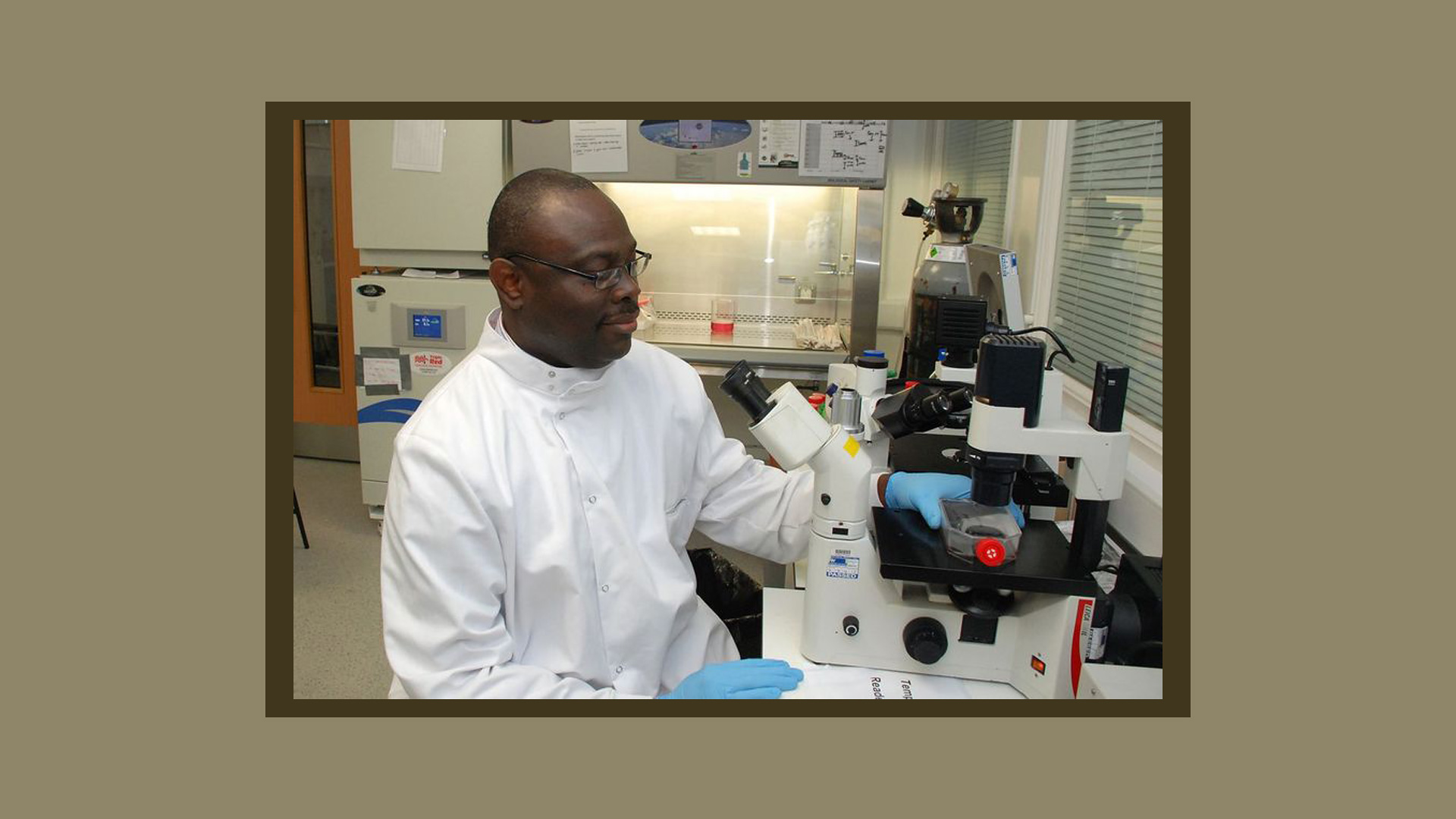
The study, published in the journal Molecular Neurobiology led by the University’s Dr Mayo Olajide, describes how the spike protein used by the coronavirus to enter human cells can have a similar effect on the brain’s immune cells as it does with the rest of the body and was among the first to demonstrate such evidence
HUDDERSFIELD researchers were among the first to demonstrate how the induction of brain inflammation accounts for neurological damage in COVID19 patients and now, their findings have been published in a peer-reviewed medical journal.
The study, published in the journal Molecular Neurobiology led by the University of Huddersfield’s Dr Mayo Olajide, describes how the spike protein used by the coronavirus to enter human cells can have a similar effect on the brain’s immune cells as it does with the rest of the body.
Dr Olajide, who’s previous research discovered how the onset of Alzheimer's disease can be slowed and some of its symptoms curbed by a natural compound that is found in pomegranate, conducted the potential impact of the Spike Glycoprotein S1 using immune cell lines obtained from mice and is now applying for funding to develop the research further using brain cells from humans.
“Following our hypothesis,” said Dr Olajide, “we are now questioning when the coronavirus has affected the brain, could this pose a risk for neurodegenerative disorders further down the line, like Alzheimer's or Parkinson's?”
How the coronavirus activates the brain’s own immune response