Distinguished Professor Elena Ivanova of RMIT University in Melbourne, Australia, said the research team had successfully applied a natural phenomenon to a synthetic material – plastic.
“Eliminating bacterial contamination is a huge step in extending the shelf life of food,” she said.
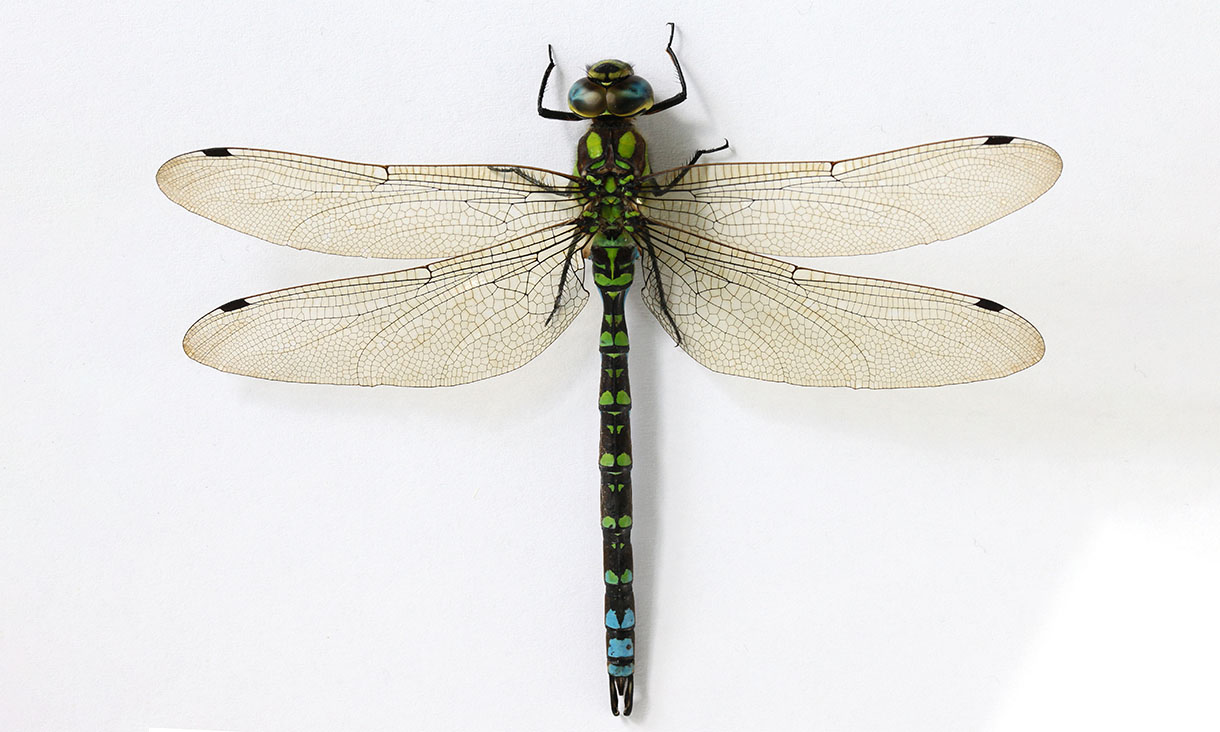
“We knew the wings of cicadas and dragonflies were highly-efficient bacteria killers and could help inspire a solution, but replicating nature is always a challenge.
“We have now created a nanotexturing that mimics the bacteria-destroying effect of insect wings and retains its antibacterial power when printed on plastic.
“This is a big step towards a natural, non-chemical, antibacterial packaging solution for the food and manufacturing industry.”
The research, published in ACS Applied Nano Materials, is a collaboration between RMIT, Tokyo Metropolitan University and Mitsubishi Chemical’s The KAITEKI Institute.
In 2015, Australia exported $US3.1 billion of food and agricultural exports to Japan, making it the 5th largest exporter of such products to the country.