Editor's note: This is a developing story and is being updated.
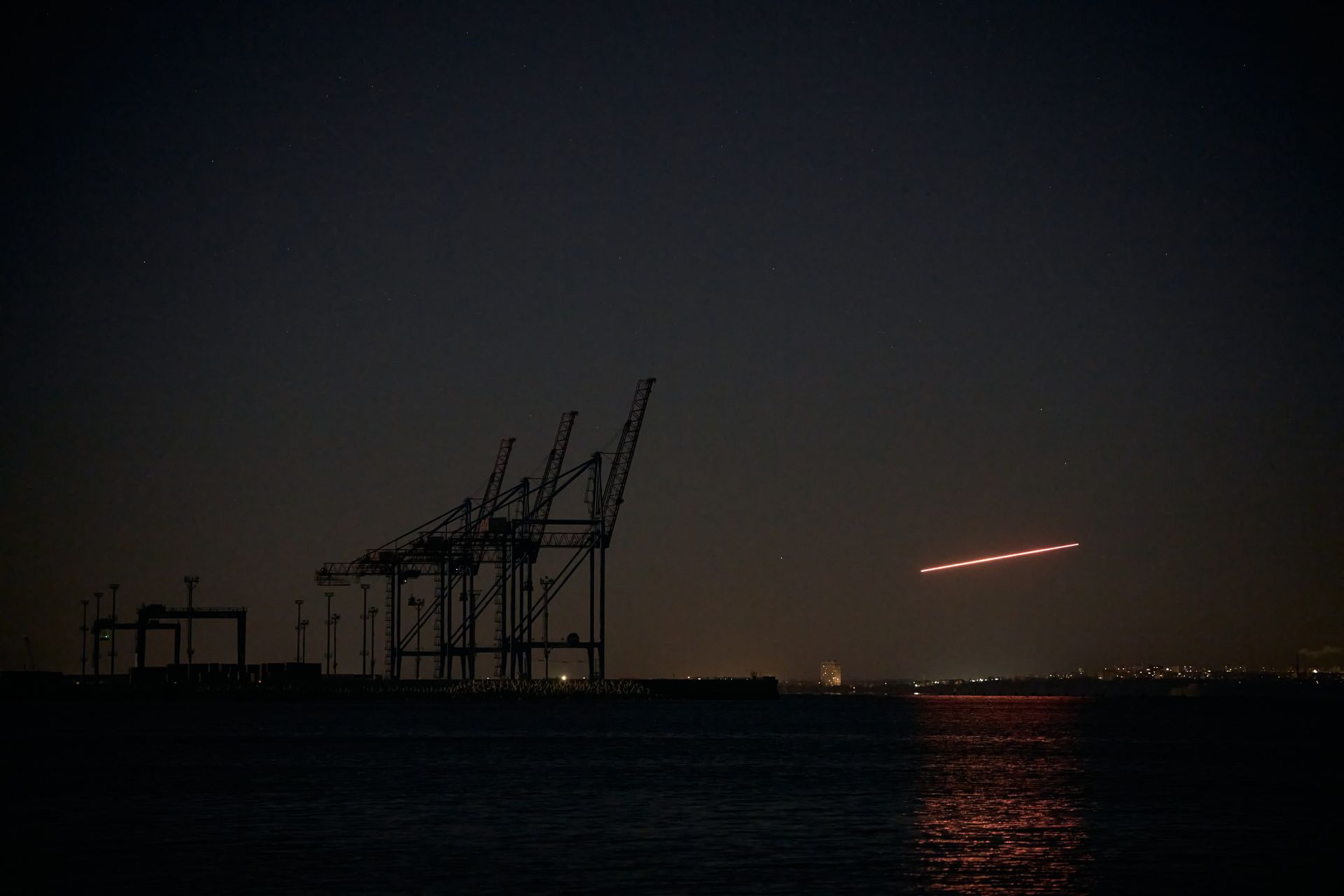
Ukraine struck the Tamanneftegaz oil terminal, the Yaroslavl oil refinery, and the Astrakhan gas processing plant in Russia overnight on May 13, the General Staff confirmed.
Videos and photos appearing to show damage to Russian oil facilities, including large plumes of smoke rising from the sites, began circulating on Russian social media on the morning of May 13.
NASA's fire monitoring system, FIRMS, appeared to corroborate officials' claims, with a fire reported at an oil storage facility near the port, specifically at the Tamanneftegaz terminal in Krasnodar Krai, which transfers oil and gas from Russian pipelines onto tankers traveling through the Black Sea for export to global markets.
Confirming the attack, the General Staff said the Tamanneftegaz is one of Russia's key oil terminals near the port of Taman on the Black Sea coast. The terminal is used to transship crude oil, fuel oil, diesel fuel and liquefied petroleum gas, according to the statement.
The Yaroslavl oil refinery, which was also targeted in the Ukrainian attack on May 13, produces gasoline, diesel and jet fuel and is "a key component in supporting the enemy army's logistics," the General Staff said, adding that primary oil refining units at the facility were hit.
The Ukrainian strike on the Astrakhan Gas Processing Plant sparked up a fire that is ongoing, the General Staff said. The Astrakhan Gas Processing Plant belongs to Gasprom and sits just up the Volga River from the Caspian Sea.
The extent of damage at all three facilities is still being assessed, the statement read.
In a separate report on May 13, Reuters found that a May 7 strike stopped all production at a Russian oil refinery in Perm. Citing two unnamed industry sources, Reuters reported that the damage could take weeks to repair.
The Russian Defense Ministry acknowledged a raft of overnight attacks, but did not mention any specific sites. The ministry did, however, immediately switch to celebrating the 243rd anniversary of the Russian Black Sea Fleet.
Ukrainian drones have increasingly targeted Russian oil and gas infrastructure in recent weeks, as part of a broader campaign to disrupt Moscow's energy revenues, a key source of funding for the Kremlin's war effort.
President Volodymyr Zelensky has at times referred to the strikes in characteristically tongue-in-cheek remarks.
Between mid-April and early May, Tuapse, a town in Krasnodar Krai and home to one of the largest oil refineries and export terminals on the Black Sea coast, had been systematically targeted by Ukrainian long-range drones.
Multi-day fires contributed to worsening air quality and significant environmental pollution, emerging as a stark symbol of the Kremlin’s limited control over its airspace ahead of Victory Day festivities.
The environmental fallout — including airborne petroleum byproducts and oil spills on city streets — has made the once attractive tourist destination unsafe for visitors, though Russian President Vladimir Putin has downplayed the threat to Tuapse.
According to data compiled by Bloomberg, Ukraine's strikes on Russian oil infrastructure reached a four-month high in April, with at least 21 attacks on refineries, pipelines, and oil assets at sea recorded.