Illustrator Alex Kittle is putting her Etsy shop on "vacation mode" as part of a weeklong strike which has garnered the support of thousands of sellers. Alex Kittle
In late February, Kristi Cassidy logged onto Reddit and made a call to action to people who sell their goods on Etsy. A day earlier, Etsy had announced it was hiking fees by 30%. For Cassidy, a seller of gothic wedding dresses on the e-commerce platform since 2006, the decision felt like an insult to small businesses who kept the site humming throughout the pandemic by selling their goods. "I wonder, what would happen if on April 11, so many sellers put their shops on vacation mode that Etsy starts [freaking out]," Cassidy wrote. "And then they have no choice but to negotiate with us." Cassidy's Reddit post kicked off a weeklong Etsy seller strike that began on Monday. Thousands of Etsy sellers are putting their digital shops in "vacation mode" to protest the fee increase. An online petition outlining their demands had well over 77,000 signatures as of Thursday evening. Etsy has 5.3 million active sellers on its platform, according to the company's website. The fee increase comes on the heels of a tremendous growth period for Etsy. The company was a big winner during the Covid pandemic, as consumers cut trips to the store and flocked to online retailers. Etsy sellers generated gross merchandise sales of $12.2 billion in 2021, compared with $5 billion in 2019. Etsy, which is known for its handmade and personalized goods, initially saw an influx of shoppers looking for face masks. Now, Etsy is trying to keep them coming back to the site, while competing with other e-commerce players like Amazon and eBay. Etsy told investors in February that additional revenue from the fee increase will be reinvested back into various initiatives at the company. Raina Moskowitz, Etsy's chief operating officer, said the company is "committed" to supporting sellers and helping them grow their businesses. "We are always receptive to seller feedback and, in fact, the new fee structure will enable us to increase our investments in areas outlined in the petition, including marketing, customer support, and removing listings that don't meet our policies," Moskowitz said in a statement. Investors and analysts who track the company applauded the fee increase and other recent changes. Guggenheim analyst Seth Sigman acknowledged sellers are likely bearing the brunt of higher costs, but that the changes should ultimately benefit "everyone on the platform" longterm. "We appreciate the concerns of the sellers. This is their livelihood," said Sigman, who recommends buying Etsy shares. "But the offset is the company is using this as a lever to reinvest back into the business. Our view is that it should ultimately lead to stronger market share gains."
Rising fees and resellers
Cassidy and other Etsy sellers interviewed by CNBC said they remain skeptical of whether the fee increase will translate to improvements on the platform. The company last raised transaction fees in 2018 from 3.5% to 5%, and the payoff has been minimal, Cassidy said. On top of transaction fees, Etsy sellers also have to pay listing fees, payment processing fees and shipping fees. As part of the company's Offsite Ads program, Etsy sellers are also charged an additional fee between 12% to 15% anytime shoppers make a purchase after clicking on an ad for their product. "The recent transaction fee increase, along with the [other fees], has made it harder for smaller creators to turn a profit and make their business sustainable," said Marie Hart, who sells pins, charms and art on her Etsy shop. As part of the weeklong strike, Etsy sellers are urging the company to cancel the fee increase, allow them to opt out of the Offsite Ads and end a recently launched program, called Star Seller, which they say puts undue pressures sellers.
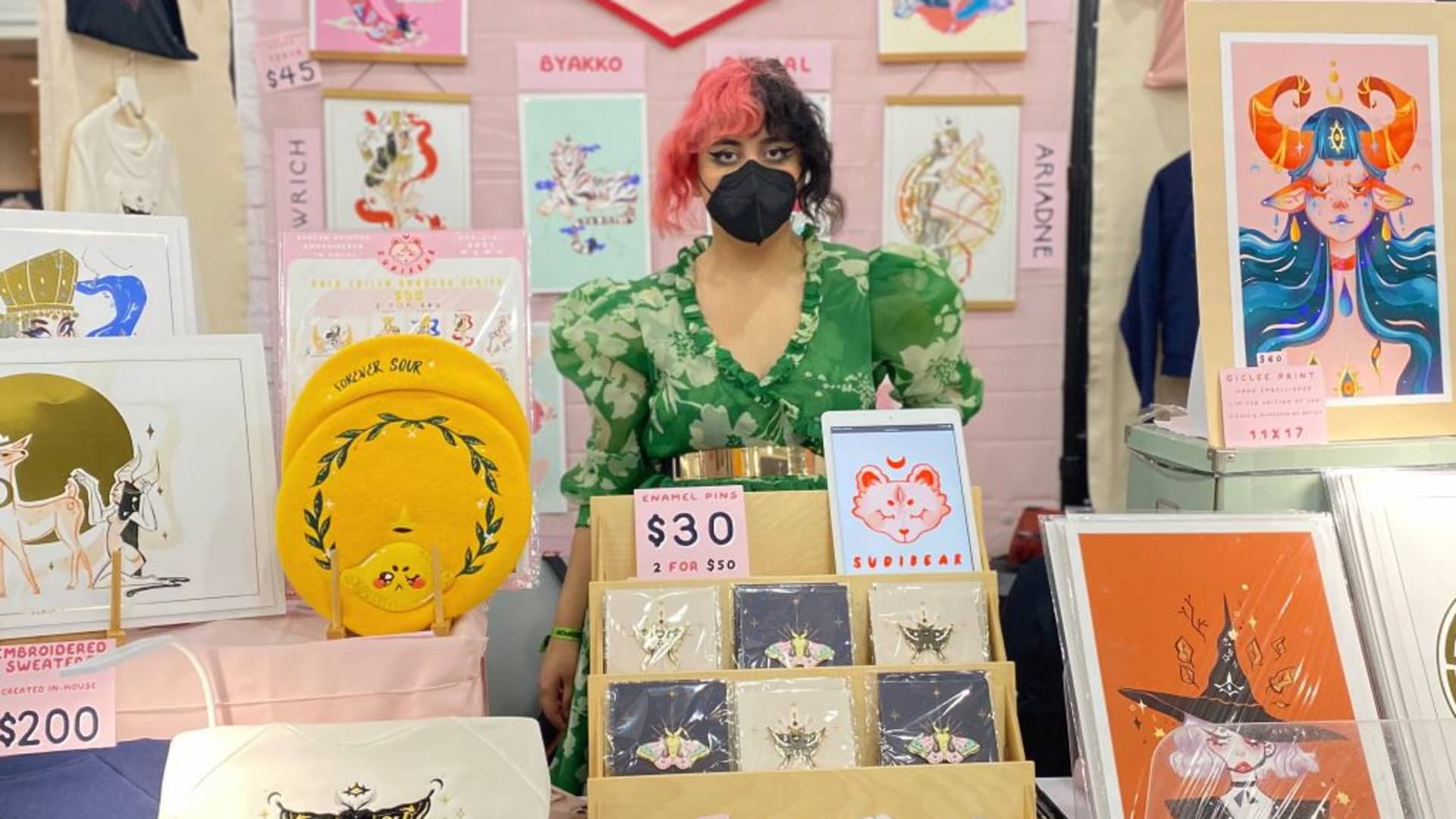
Soudabeh Rouhandeh, an Etsy seller since Soudabeh Rouhandeh
"As a small indie creator who designs and handmakes my merchandise and apparel, I'm losing hours of labor and money using Etsy," said Soudabeh Rouhandeh, who runs art and apparel shop Sudibear. Some veteran Etsy sellers are also calling on the company to crack down on resellers, which they say have sullied the marketplace. Since Alex Kittle became an Etsy seller in 2010, she said she's noticed an influx of mass-market goods and dropshippers. The shift feels disconnected from Etsy's origins as a platform for showcasing handcrafted, one-of-a-kind wares that are often made to order, she said. "For the most part, I've found it a fun and eclectic community, with both friendly sellers and buyers, and a great place to reach my kind of customers (who are often a little nerdy or alternative in their tastes)," Kittle said in an email. "In the past few years, it's expanded to include larger businesses, dropshippers, resellers, and even scammy shops." Etsy CEO Josh Silverman told sellers in February the company expects to dedicate more resources this year to removing listings that violate its policies. In 2021, Etsy spent $40 million on expanding the teams and technology focused on marketplace safety, the company said. Nicole Lewis, who has sold handmade crayons on Etsy for 15 years, said she doesn't agree with the premise of the strike. Etsy connected CNBC with sellers who did not participate in the strike. Lewis said she doesn't blame Etsy for hiking transaction fees, and that many of the recent changes are a necessary part of growing the marketplace. "I think a lot of the OG sellers that are upset with Etsy still see it as the Etsy of 2004, 2005, 2006," Lewis said. "It's not that anymore and it can't be. Not in the world we're living in today, when there's so many people out there looking to sell their work and we compete with Amazon."
Etsy sellers' union