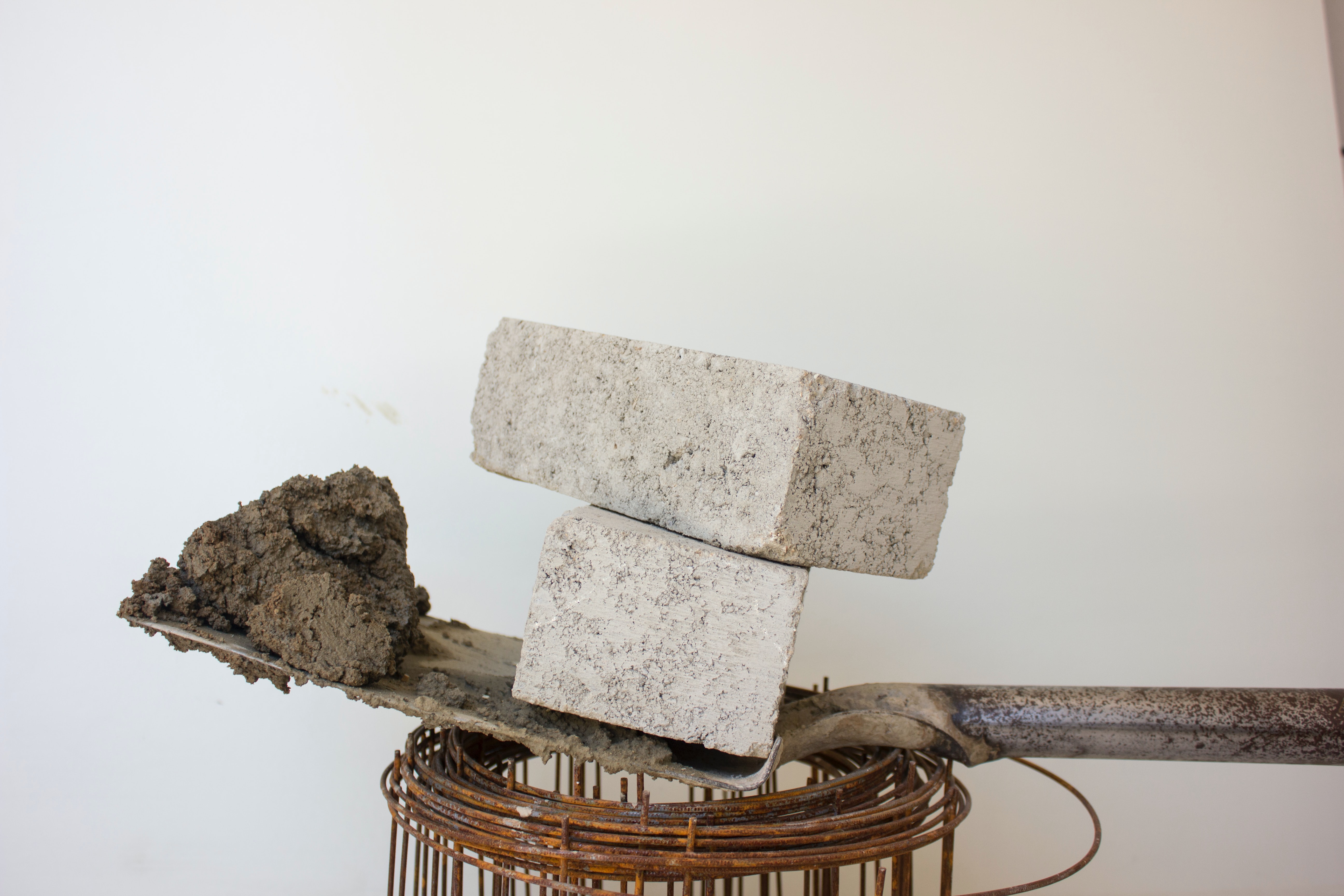
Magnesium ions are abundant in seawater, and researchers have found a way to convert these into a magnesium-based cement that soaks up carbon dioxide. The cement industry is currently one of the world’s biggest CO2 emitters, and while this seawater-derived cement is currently unsuitable for steel reinforced concrete, it could be readily adopted for small-scale use in footpaths, masonry and paver. The manufacturing process requires a similar amount of energy as regular cement, but if the electricity used comes from carbon-free sources, the overall process would consume rather than emit carbon, and keep it locked away from the atmosphere.
Seawater-derived cement could decarbonise the concrete industry